

Window Coverings Solutions That Make Your Home Feel Cozy and Private
2026-11-18
When a room feels too exposed or a little cold, the right window coverings change everything. They soften harsh light, muffle outside noise, and create a quiet sense of retreat without making a space feel closed in. At ROLLERGY, we focus on that balance: simple, well-made solutions that help your home feel warmer, calmer, and more private. Here’s what to look for when you want comfort you can actually feel.
How Window Coverings Change the Feel of a Room After Dark
Once the sun drops, a room with bare windows flips into something raw and exposed. Curtains or shades don't just block the view from outside; they pull the edges of the space inward, making the darkness feel intentional instead of accidental. A lined drape turns a bright daytime living area into a low-lit pocket where every lamp glow stays close, while a simple roller shade can soften the hard rectangles of streetlight that would otherwise slice across the floor all evening.
The material makes the mood shift in ways people rarely plan for. Sheer panels that disappear during the day come alive at night, holding the room's own light against the glass and turning it into a faint, even backdrop. Heavier weaves do the opposite: they swallow reflections and make the walls feel closer, which can turn a big, open bedroom into something quieter and more private. Even the way a blind is angled changes whether the night outside stays a distant hum or presses right up to the sill.
There's also an unnoticed acoustic shift once coverings are drawn after dark. Fabric absorbs the small echoes that daytime activity masks, so a conversation held late in the evening doesn't bounce around the same way. The room stops feeling like a continuation of the house and starts feeling like its own closed loop—lights, textures, and sounds all kept within arm's reach. That shift from open and bright to contained and calm is rarely about one big change, but about the window treatment quietly rewiring how the space sits around you.
Layering Sheer Curtains and Heavier Panels for a Softer Look
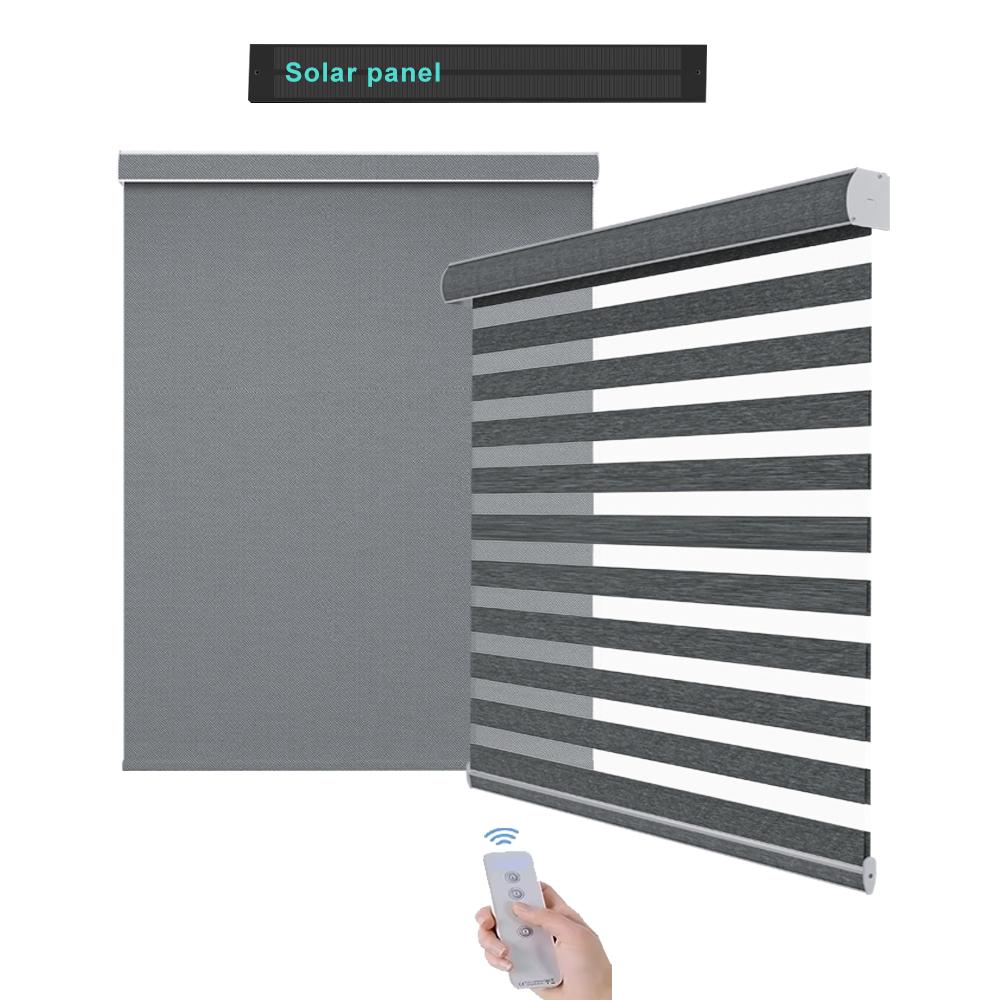
A single curtain fabric often makes a window feel either too bare or too heavy. Layering reverses that. Start with a sheer that has a soft, open weave, then add a heavier panel in a slightly deeper tone. The two layers pull the eye toward the window without calling attention to the hardware or the rod.
Hang the heavier panels on the outer rod and keep the sheers close to the glass. During the day, the sheers do most of the work, taking the edge off direct sun while the heavier fabric frames the sides. At night, close the outer panels but leave the sheers in place; the room keeps a faint, filtered glow instead of going completely dark.
Fabric pairing matters more than matching colors exactly. A linen-cotton sheer next to brushed velvet or slubby cotton gives the window a relaxed depth that one material cannot produce. If the two fabrics feel slightly imperfect together, that usually looks better than a perfectly coordinated set.
Choosing Fabric Weight to Keep Rooms Warm and Conversations Quiet
Fabric weight shapes how a room feels before you touch anything else. Heavy, tightly woven material near windows slows down cold air that leaks around the frame and keeps warm air from escaping, so the space holds its temperature longer. That same density also absorbs sound instead of letting it bounce off bare walls and glass.
With curtains, look for fabrics in the 400 to 600 grams per square meter range if you want noticeable warmth and softer acoustics without blocking all the light. A heavy linen, wool blend, or velvet works well, but the lining matters just as much as the face fabric. A thick interlining can turn a medium-weight curtain into a much better thermal and acoustic barrier.
For upholstery and padded panels, go a little heavier and choose short, dense piles or flat weaves. They reduce the faint echo that makes conversation feel strained, especially in rooms with wood or tile floors. You are not trying to make the room silent; you are making it feel less cold and less hollow.
Creating Private Corners Without Losing Natural Light
A quiet corner doesn't have to come at the expense of daylight. Instead of putting up solid walls, use half-height partitions, fluted glass panels, or open shelving to carve out a retreat. These pieces signal separation while still letting sunlight travel through, so the space feels tucked away rather than closed off.
Plants can do the same job with a softer touch. A tall fiddle-leaf fig, a row of trailing pothos, or a loose cluster of palms creates a gentle boundary that shifts with the light. The leaves filter brightness rather than blocking it, casting small shadows that make the corner feel more intimate without dimming the room.
If the nook sits near a window, keep the furniture low and choose materials like cane, linen, or lightly woven screens. These surfaces diffuse daylight and add texture, while preserving the sense of openness above eye level. Privacy here comes from placement and proportion, not from sealing everything off.
What Makes a Living Room Feel Cozier Without Feeling Closed In
Cozy usually gets mistaken for filling the room up, but the opposite often works better. A few low, soft pieces placed away from the walls can make the seating area feel pulled together while still leaving a clear path around it. When the eye can travel past the sofa to a window or a bit of open floor, the room breathes, and that openness actually makes the warm spots feel more intentional.
Texture does a lot of the heavy lifting here. Layering a chunky wool throw over a linen slipcover, adding a thin rug with a faded pattern, or using curtains that filter light instead of blocking it softens the edges without adding visual weight. Warm bulbs at eye level, rather than a single overhead light, make the corners feel settled without closing them in.
It also helps to keep the palette narrow and a little muted. Layered ivories, oat tones, and soft clay or moss accents can hold the room together better than a mix of dark, bulky pieces. If you leave one wall visually quieter or keep the tallest item away from the doorway, the room feels sheltered but not tight.
Window Seats and Reading Nooks That Need Adjustable Privacy
A window seat facing the street can quickly shift from cozy perch to glass display, especially after dark. Adjustable privacy here is less about sealing the room off and more about controlling the angle of exposure. Bottom-up shades or cafe-style curtains let you keep the upper light and sky while screening the part of the window that actually catches passersby, which often feels more comfortable than drawing everything shut.
Reading nooks have a different problem: too much coverage makes them feel like a closet, while none leaves you squinting against glare or distracted by movement. A layered approach usually works better than a single heavy drape. Sheer linen or a light woven blind softens daylight and blurs outlines, while a second layer such as a room-darkening roman shade or a simple curtain can be pulled only when you want to disappear for a few chapters.
The details that make adjustable privacy stick are often small and practical. Curtain rods that extend past the window frame let fabric stack clear of the glass, so the view stays open when you want it. Frosted film on the lower panes, a foldable screen beside the seat, or even a tall plant near the nook can create a sense of enclosure without turning the window into a wall. The goal is a spot that adapts to your mood, rather than a fixed level of exposure you have to tolerate.
FAQ
Linen or cotton blend curtains in a deeper tone add warmth while still letting daylight filter through. Pair them with a simple roller shade underneath if you want to cut glare later in the day without switching to blackout.
They can, but only when layered. On their own, sheers are too transparent after dark. A double rod with a light-filtering or room-darkening panel behind the sheer keeps the airy look and gives you real privacy when you need it.
Roman shades in a textured fabric work well because they soften the window without taking up floor space. If you want a more tucked-in feel, add floor-length curtains on either side and choose a fabric with some weight, like brushed cotton or a wool blend.
Top-down bottom-up cellular shades are a good fit. You can lower them from the top to let in light while keeping the lower part covered, which gives privacy without making the room feel boxed in.
Cellular or honeycomb shades are designed with air pockets that reduce heat loss in winter and heat gain in summer. For extra help, choose double-cell fabric and hang them close to the glass with minimal gaps on the sides.
Light-filtering shades or frosted window film let daylight in while blurring the view from outside. Woven wood shades with a looser weave can also work, but you may want a liner behind them if you need more consistent privacy.
Vertical sheers or panel-track blinds are easier to operate than regular curtains on a wide door. If you prefer a softer look, use a ceiling-mounted curtain track with wide panels that slide completely out of the way.
Keep the inner layer simple and functional, like a flat Roman shade or a slim roller shade. Then use a single fabric curtain panel on each side for softness. Stick to one color family and avoid heavy valances or tiebacks.
Conclusion
After sunset, the right window coverings do more than block the view from outside. They soften the whole room. At night, even familiar rooms shift character. Window coverings help define that shift by filtering streetlight, muting noise, and making the space feel contained rather than exposed. Heavy panels in the living room can hold warmth close and absorb the echo of conversations, while sheer curtains left underneath keep the space from feeling weighed down. Layering these materials gives you more control, with a soft veil for daylight and a denser drape for evening. Even a corner near a large window can become a private retreat if you pair a lightly textured roller shade with floor-length linen, so the light still moves through without exposing every detail inside.
In spaces meant for reading or sitting by the window, adjustable privacy matters more than a single heavy treatment. A window seat feels cozier when the fabric invites you to settle in, but still allows you to shift the slats or pull a panel across without closing off the room. A sheer layer behind a heavier curtain lets you block a neighbor's view while still letting daylight wash across a reading chair. That balance is what keeps a living room from feeling closed in. By choosing softer weights and layering them with intention, you can keep rooms warm, quiet, and open enough to breathe.
Contact Us
Contact Person: Vivien Cheng
Email: [email protected]
Tel/WhatsApp: +86 13751758835
Website: https://www.rollergytech.com/