

Wholesale MVNE Platform Powering Next Generation Mobile Brands
2026-09-25
Launching a next-generation mobile brand used to mean either building your own costly core network or settling for an incumbent’s rigid, one-size-fits-all wholesale deal. Both paths are slow, expensive, and designed to protect the status quo. IPLOOK flips that model with a wholesale MVNE platform that gives startups, IoT providers, and digital-first operators a turnkey, fully managed mobile core — ready to launch your brand in weeks, not years. This post breaks down how that shift is quietly powering the mobile brands you’ll be hearing about next.
A network core you subscribe to instead of building
Running your own network core means buying racks of proprietary hardware, hiring engineers to babysit BGP sessions, and praying that a firmware update doesn't take down half your traffic at 3 a.m. The alternative is to treat the core as a subscription, much like you would cloud storage or email. You pay for what you use, and the provider worries about redundancy, peering, and maintenance. There's no capital expense for routers that depreciate in value, no cage space to rent, and no need to keep spare line cards on a shelf just in case. Instead, you get a logical core that behaves like your own private backbone, but without the physical burden.
Subscribing to a network core also changes how you think about growth. If a new office comes online or a product suddenly pulls ten times more bandwidth, you adjust the service tier rather than shipping hardware and scheduling a maintenance window. The provider's points of presence become your points of presence, often with better latency to key markets than you could negotiate on your own. And because the operational responsibility shifts away from your team, those same engineers can spend their time on application performance or security policy, not on swapping optics or troubleshooting a flapping link. It's not just outsourcing infrastructure; it's buying back the hours that used to disappear into the network closet.
The wholesale MVNE layer that keeps your brand front and center
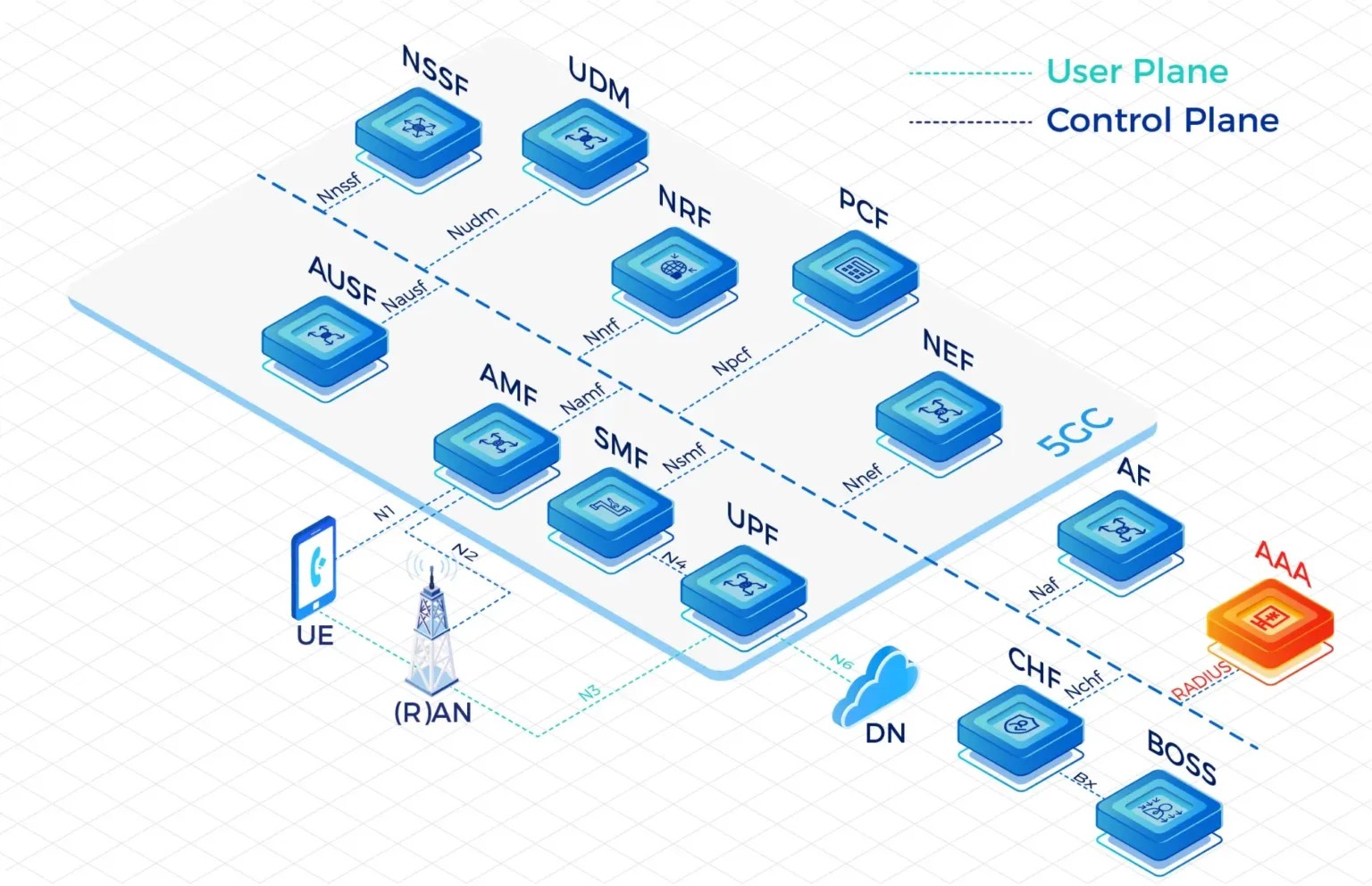
Your logo, your tone, your rules. A wholesale MVNE layer hands you the steering wheel while the heavy lifting happens behind the curtain. No clunky third-party branding or generic portals—just a clean, white-label environment that feels unmistakably yours from the first SIM activation to the last support ticket.
Behind that polished front end sits a tightly integrated stack: core network access, real-time billing, SIM lifecycle management, and fraud controls. Because these moving parts never surface to your customers, you can focus on pricing, packaging, and storytelling. The MVNE simply makes sure every data session and call connects without dragging your name through someone else's systems.
Speed matters too. Launch a new plan, trial a data bundle, or shift your messaging within days—not quarters. With the wholesale layer handling tariffs, provisioning, and revenue assurance offstage, your brand stays nimble in front. And when customer behavior shifts, you adjust the experience without renegotiating your entire network contract.
From brand idea to live SIMs in a single quarter
Taking a wireless brand from a blank page to active SIM cards usually drags across multiple quarters. We collapsed that timeline into one. The work began with a sharp positioning exercise, not a 60-slide deck, and moved straight into offer design, packaging, and network integration. The team built the commercial stack alongside the technical stack, so pricing, SIM provisioning, and billing were tested together instead of sequentially.
By the end of the quarter, the first SIMs were in customers' hands, with usage data flowing back into the same dashboards used during launch. That closed loop let us adjust rate plans and onboarding flows within days, not months. The result was a live brand with real subscriber behavior informing the next iteration, rather than a long planning phase that only produces more planning.
APIs that turn a small team into a full mobile operator
The old telecom stack assumed you had a license, spectrum, and a room full of switches. APIs flip that. A handful of developers can now lease core-network functions, provision SIMs or eSIMs over REST, and route voice and SMS through cloud platforms without touching hardware. This turns months of vendor negotiations into an afternoon of integration.
The real multiplier is in the operational layer. Billing, number management, usage metering, and fraud controls all come as API calls. A small team can set up a branded mobile service, issue data-only eSIMs for travel, or launch a private LTE/5G network for a factory. The APIs handle the messy telecom plumbing; the team stays focused on the customer experience.
That doesn't mean the regulatory and commercial challenges disappear. Numbering, KYC, and lawful intercept still require attention. But APIs shrink the technical surface area enough that a small team can run a mobile operator as a software product, not as a capital project. The barrier moves from infrastructure to imagination.
Elastic scale without the network operations headcount
Scaling capacity usually drags network engineering into a loop of trunk ports, VLAN sprawl, and load balancer tickets. The harder the business pushes traffic, the more time the team spends on low-level plumbing instead of actual architecture. Breaking that link means treating the network as a programmable surface, not a pile of manual configs. When capacity expands, the control plane rebalances routing, segmentation, and policy without someone opening a console for every new segment.
The practical difference shows up in tools and defaults. Overlay fabrics with automated provisioning take the place of per-device changes. Health checks, path weighting, and failover are built into the service definitions rather than bolted on by an engineer during an incident. Small teams can operate large estates because repeated tasks are encoded once and then enforced everywhere. Adding a thousand nodes no longer adds a thousand touch points for the network staff.
Headcount stays flat because the system absorbs the operational noise. Engineers shift from reacting to tickets and toward tuning thresholds, tightening policies, and auditing drift. Spikes in demand get absorbed by capacity buffers and dynamic rebalancing, not by weekend cutovers and extra shifts. That is what elastic scale actually buys: more surface area under management without more hands to manage it.
Wholesale rates engineered around your brand's margin
Most suppliers hand you a price list and call it a day. That doesn't work when your margins need to cover marketing, packaging, and the cost of holding inventory. Our wholesale rates start with your target margin in mind, then work backward from your retail price point to land on a unit cost that actually makes sense for your business.
We sit down with you to map out your true landed cost: shipping, duties, labeling, the occasional damaged unit, even the time your team spends on reorders. From there we build a rate structure that flexes with volume, so your margin improves as you scale rather than shrinking away. No surprise fees, no bait-and-switch tiers.
The result is a wholesale price that feels less like a negotiation and more like a partnership. You'll know exactly what you're paying per unit and why, and you'll have room to run promotions or absorb a slow month without going underwater. That's the kind of pricing that lets you grow confidently instead of constantly checking the math.
FAQ
It takes care of the heavy backend work—core network access, billing, SIM provisioning, and customer support interfaces—so a brand can launch mobile services without building any of that itself. The wholesale structure means you only pay for the capacity you actually consume, which keeps early costs low and reduces financial risk.
It is designed around modern requirements like eSIM management, 5G-ready APIs, real-time usage analytics, and easy integration with digital storefronts. Instead of forcing a rigid legacy setup, it provides modular components that a brand can mix and match to fit niches such as IoT, fintech, or event-based connectivity.
You avoid large capital expenditure and long-term lock-in contracts. Costs scale with subscriber growth, which protects your margins during the first months when revenue is still ramping up. It also gives you the freedom to experiment with different target segments without having to invest in fixed network infrastructure before you know what works.
Yes. The platform white-labels the entire mobile experience, from network access to billing and support portals. A retailer, bank, or media company can launch a mobile offer under its own name while the MVNE quietly handles all technical operations, allowing the brand to keep its existing focus and customer relationships.
It usually aggregates multiple Tier-1 network partners, offering 4G and 5G coverage across different regions. Brands can select a single-country footprint or multi-country reach, and the platform manages roaming agreements and service quality settings so end users get consistent performance wherever they are.
With pre-integrated operational and business support systems, automated SIM provisioning, and API-first onboarding, launch timelines often shrink from many months to just a few weeks. The exact speed depends on how much custom branding and feature configuration is needed.
Beyond the initial setup, it continuously monitors network health, handles fraud detection, reconciles billing, and pushes over-the-air updates for SIM and eSIM profiles. The wholesale agreement includes service-level guarantees for uptime and issue resolution, so the brand can focus on marketing and customer experience instead of technical troubleshooting.
Conclusion
Instead of sinking capital into a proprietary core, next-generation mobile brands can simply subscribe to a network infrastructure that scales as they do. The wholesale MVNE layer here works behind the scenes, so the subscriber experience never dilutes your brand’s identity — your logo, your voice, your customer relationship remain front and center. From a raw brand idea to live SIMs in market takes just a single quarter, because the heavy lifting of integrations, regulatory hurdles, and network testing is already handled. A small team with clear APIs can operate like a full mobile operator, launching plans, provisioning eSIMs, and adjusting offers without hiring a network engineering department.
What really sets this platform apart is the blend of elastic scale and margin-friendly wholesale rates. You don’t need to forecast capacity years ahead or keep a bench of operations staff just to keep the lights on — usage spikes and quiet periods are absorbed automatically. Meanwhile, the rate structure is engineered around your brand’s unit economics, not a one-size-fits-all tariff. That means a niche IoT brand, a youth-focused MVNO, or a privacy-first carrier can each find a cost base that leaves room for competitive pricing and healthy margins. The platform becomes less of a vendor and more of a silent partner, letting founders focus on differentiation rather than plumbing.
Contact Us
Contact Person: Shimmy
Email: [email protected]
Tel/WhatsApp: 85253392231
Website: https://www.iplook.com