

Veterinary GS-441524 Injection Factory: Ensuring Quality FIP Treatment
2026-11-16
FIP was once a death sentence for cats, but GS-441524 changed everything—if the injection is pure, consistent, and made with veterinary rigor. That’s where Lucpets steps in. This post takes you inside the factory standards behind every vial, and why they matter for your patient's recovery.
Inside the cleanroom where every vial earns its batch number
The air inside this cleanroom doesn't move like the air outside. It's pushed through HEPA filters in a steady, almost silent current, sweeping away any particle that might dare to settle on a vial. Before anyone steps through the airlock, there's a slow ritual of gowning: hoods, masks, double gloves, boot covers. Nothing here is rushed. Each glass vial travels along a defined path, and no two routes are ever quite alike, because every one of them must earn its place before a batch number is even considered.
That batch number isn't printed lightly. It's laser-etched only after the vial has passed a series of checkpoints—fill weight, cap torque, seal integrity, visual inspection. The number itself carries a quiet history: raw material lots, operator shifts, equipment calibration dates, even the temperature at the moment of filling. Pull any vial off the line weeks later, and the number will tell you exactly where it has been and who touched it. For the people working here, that's the whole point. A vial without a traceable number is not a product; it's just glass.
Walk past the filling stations and you'll notice the technicians don't just watch the machines. They initial logbooks, double-check readings, and occasionally stop the line to investigate something that "just didn't feel right." Their names are attached to those batch numbers too. Accountability isn't an abstract concept in this room. When a batch number is finally assigned, it's less like a label and more like a signature—a promise that this particular vial, out of the thousands made that day, has been seen, measured, and approved by human eyes and hands.
Raw material audits that separate reliable suppliers from risky shortcuts
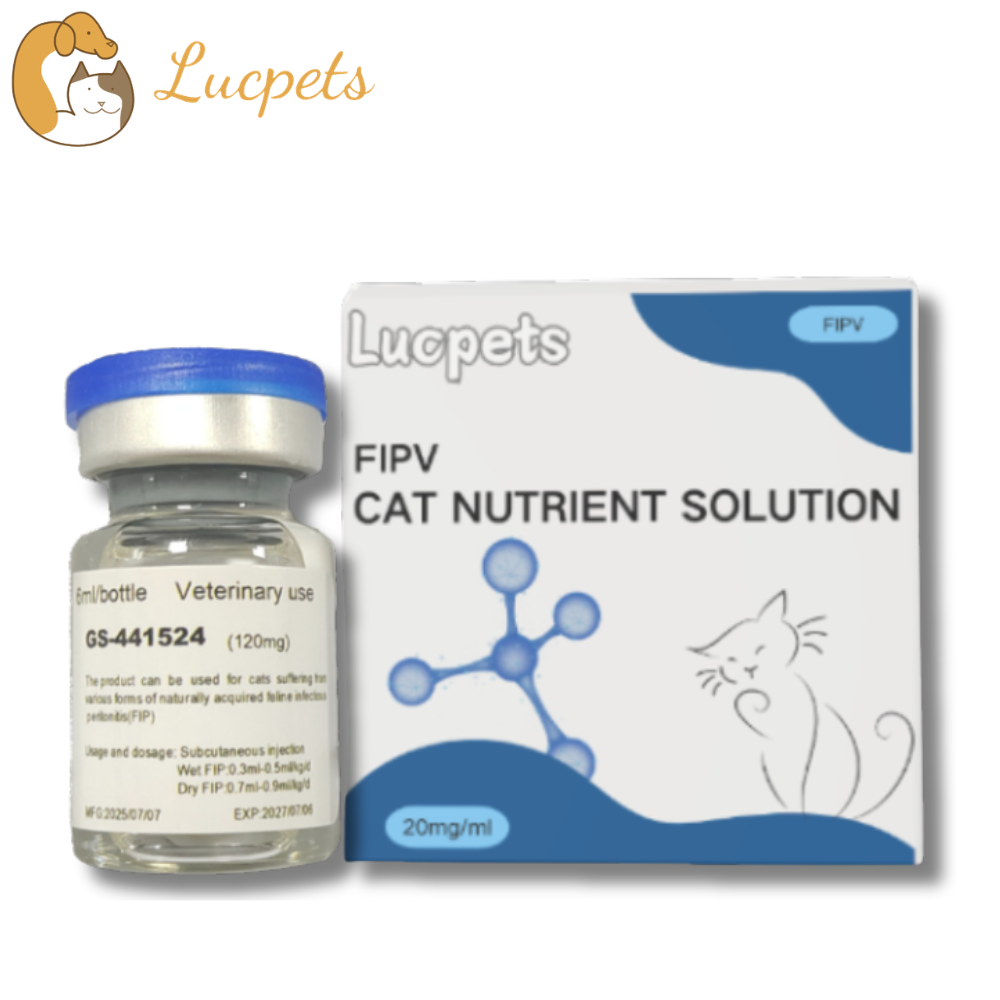
A well-run raw material audit doesn't start with a checklist—it starts with a question: what would this supplier prefer we never look at? Reliable suppliers answer by opening their records, walking the floor, and pointing out their own bottlenecks. The ones taking risky shortcuts tend to gesture vaguely, blame a 'recent system migration,' or suddenly remember a meeting. Over years of chasing inconsistencies, I've learned that the gap between what's written in a supplier questionnaire and what actually happens at the loading dock is where most quality disasters begin.
A real audit separates the two by testing physical flow, not just paperwork. You ask to see the actual lot quarantine area, not the clean sample on a shelf. You pull ten random batch records and look for signatures that match the operators who were on shift that day. You check if the 'approved' raw material storage has a working thermometer, or just a sticker from last year. Suppliers who cut corners usually have immaculate binders and messy floors. Reliable ones have coffee-stained logs and workers who can explain why a particular shipment was held back.
Time pressure is the enemy of honesty. If an auditor announces the visit two weeks in advance, every shortcut gets swept into a temporary warehouse. Instead, shorten the notice window—sometimes to 48 hours—and watch what appears. Reliable suppliers stay calm because their process is already compliant. Risky ones scramble, and the scramble itself becomes the finding. That's the core distinction: audits shouldn't just verify compliance, they should reveal how a supplier behaves when they think no one is watching.
Temperature mapping and the long road from production line to clinic fridge
Every vial leaves the production line with a promise: that the precise temperature it was crafted at will hold steady until the moment it reaches a patient. Yet the journey from a manufacturing cleanroom to a clinic fridge is rarely a straight line. It threads through loading docks, airport tarmacs, customs warehouses, and busy hospital corridors. Along the way, temperature excursions are not just likely—they are almost inevitable unless someone has mapped every leg of that voyage in advance.
Temperature mapping is less about placing a few data loggers in a box and more about understanding the thermal personality of each environment your product will pass through. A refrigerator that works flawlessly in a controlled lab might behave differently on a hot summer day in a delivery van, or when its door is opened every few minutes during a busy clinic shift. Mapping forces you to ask uncomfortable questions: Where are the warm spots? How long does it take to recover after a power cut? What happens to the payload when the truck sits in direct sunlight for two hours?
The real challenge is that mapping is not a one-time exercise. Routes change, packaging materials get swapped, seasons shift, and new clinics come online. Each change chips away at the assumptions that made your original map valid. Companies that treat temperature mapping as a box-ticking requirement end up with a false sense of security. Those that treat it as a living practice—constantly updated, challenged, and verified—are the ones whose products survive the long road intact.
Why small-batch runs matter for feline injection safety
Running vaccine and medication production in limited quantities isn't just a manufacturing preference—it directly shapes how safely a cat can receive an injection. When batches are kept small, every vial moves through filling, sealing, and inspection with closer human oversight. That means a subtle crack in a glass ampule or a slight deviation in dosage concentration is caught before it ever reaches a clinic shelf. For a feline patient, whose body mass and metabolic quirks can turn a tiny impurity into a serious reaction, that extra layer of scrutiny is the difference between a routine shot and an emergency visit.
Small-batch production also shortens the window between manufacture and use. Felines are notoriously sensitive to degraded adjuvants and preservatives—compounds that quietly break down the longer a product sits in a warehouse. By limiting output, manufacturers can avoid the long storage cycles that come with mass production. Vets are more likely to receive a fresher vial, which translates to less inflammation at the injection site and a lower chance of delayed hypersensitivity. This is especially critical for cats, where injection-site sarcomas have been linked to certain vaccine components and prolonged local irritation.
Finally, smaller runs allow for rapid formulation tweaks when new safety data emerges. If a particular batch triggers a cluster of mild fevers in a feline population, the manufacturer can halt, adjust, and re-release without discarding massive inventories. That agility keeps problematic lots out of circulation and preserves trust in routine feline vaccination protocols. In a species where adverse events can be subtle until they become severe, the ability to course-correct quickly is not a luxury—it's a core component of injection safety.
Independent third-party testing as a non-negotiable step
Most internal QA processes are built around the same assumptions the development team carried from day one. That's not a failure—it's human nature. When the same people design the feature, write the test plan, and sign off on the results, blind spots get institutionalized. Independent third-party testing breaks that loop. The outside team is paid to find problems, not to confirm the product works. They don't care about your sprint calendar or your demo script. That independence is why this step can't be optional.
In practice, this means handing the product to testers who have no attachment to the codebase or the brand. They run it on hardware you didn't provision, with network conditions you didn't simulate, and with user behaviors you didn't script. They probe for issues in permissions, data handling, and failure recovery—areas where in-house tests often stay shallow. When they file a report, the findings come with evidence: reproduction steps, environment details, and severity ratings. That evidence is what lets us decide whether a release is genuinely ready or just ready enough for the demo.
The timeline impact is real, and we don't pretend otherwise. A third-party test can add days or weeks. But the alternative is shipping something that only passed because no one looked at it from the outside. When we document that independent testing was completed and passed, we're not just checking a box for a client requirement. We're proving the product held up under conditions we didn't control. That proof has stopped more bad releases than any internal review ever could.
Scaling up without losing the molecule's stability: a manufacturing tightrope
Moving a promising molecule from bench to full-scale production often feels like teaching someone to ride a bicycle on a high wire. The conditions that kept the molecule stable in a small glass flask rarely translate directly to a 10,000-liter bioreactor or a continuous flow line. Temperature gradients, oxygen exposure, and mechanical shear all shift once volumes grow, and these shifts can quietly unravel weeks of careful optimization.
The real hazard is that instability rarely announces itself loudly. A molecule may survive a pilot batch only to degrade during a longer hold step, or lose potency after sterile filtration. Engineers and chemists end up walking a fine line between pushing throughput and protecting fragile functional groups, often inventing workarounds like adding stabilizers mid-process, redesigning buffer systems, or splitting a reaction into gentler stages.
In the end, successful scale-up is less about brute force and more about listening to what the molecule tolerates at each step. It demands a blend of real-time analytics, conservative design margins, and a willingness to revisit the original synthesis or formulation when the numbers say otherwise. No single trick works for every molecule, but the teams that treat stability as a moving target rather than a fixed trait are the ones that keep their balance.
FAQ
A dedicated veterinary factory runs every batch through identity, purity, and endotoxin testing before release. You should also look for sterile filling lines, batch-specific certificates of analysis, and the ability to trace raw material back to its synthesis date.
Reputable factories use HPLC or UPLC to quantify the active ingredient against a certified reference standard. They also run stability studies under different temperatures so the labeled 15 mg/mL or 20 mg/mL strength remains within pharmacopeial limits until the expiry date.
Because the drug is given subcutaneously or intravenously, any bacterial or fungal contamination can cause abscesses or systemic infection in an already immunocompromised FIP cat. That's why aseptic filling, terminal sterilization where possible, and post-sterility testing on every batch matter.
Ask for the certificate of analysis, a chromatogram from the purity test, endotoxin results below 0.5 EU/mL, and a sterility test report using a validated method. If a factory won't share these, treat that as a red flag.
The active ingredient is the same, but dosing and duration often differ. Neuro and ocular cases typically need higher doses because GS-441524 crosses the blood-brain barrier less efficiently. A factory that understands these clinical nuances will usually provide clear concentration options rather than a one-size-fits-all vial.
Keep vials in a dark, temperature-controlled cabinet between 15°C and 25°C unless the label says otherwise. Avoid frequent freeze-thaw cycles, and don't leave partially used vials for weeks. A good factory will also print individual lot numbers and storage instructions on each box.
Dedicated or thoroughly validated shared lines, strict changeover procedures, and residue testing after cleaning are the standard. Some factories also separate GS-441524 production from beta-lactam antibiotics or hormonal products to reduce the risk.
Small, well-documented batches make it easier to recall a specific lot if a quality issue arises. Complete batch records also show that every step, from weighing raw powder to capping vials, was performed by trained staff under controlled conditions.
Conclusion
Inside the cleanroom, every vial of veterinary GS-441524 earns its batch number only after passing environmental monitoring that rivals a hospital operating theater. Air particle counts, surface swabs, and pressure differentials are logged before a single dose is filled. That same rigor extends upstream: raw material audits cut through supplier claims, checking for residual solvents or impurities that cheaper sources might hide. Once the injection leaves the production line, temperature mapping doesn't stop at the factory gate. Data loggers travel with each shipment, recording every cold-chain handoff from the warehouse to the clinic fridge, so a vial that arrives in a vet's hands has a traceable thermal history, not just a label.
Small-batch runs aren't a nostalgic choice; they're a safety buffer for feline patients. Mixing smaller volumes allows tighter control over pH, particulate load, and sterility, reducing the chance of a bad lot reaching a cat with FIP. Independent third-party testing then acts as a non-negotiable checkpoint, re-verifying potency and endotoxin levels before release. Scaling up without losing the molecule's stability is a manufacturing tightrope—larger tanks can introduce shear stress or heat spots that degrade GS-441524. The factory walks that line by validating every scale increment with forced degradation studies, ensuring that a larger batch still delivers the same antiviral punch as the small pilot run.
Contact Us
Contact Person: Aaron
Email: [email protected]
Tel/WhatsApp: +86 18177165140
Website: https://www.lucpetsglobal.com