

UL FM Alarm Check Valve Company: Innovative Solutions for Safety and Monitoring
2025-12-28
In the world of safety and alarm systems, precision and reliability are paramount. When it comes to valves that monitor and protect critical environments, you need solutions that don't just function—they perform flawlessly under pressure. Enter DRIFCO, a name synonymous with innovation in the UL FM alarm check valve industry. At DRIFCO, we don't just build valves; we engineer peace of mind. In this blog, we'll explore how our cutting-edge technology is redefining safety standards and why staying ahead in monitoring solutions demands a closer look at what sets us apart. Get ready to discover the future of protection—only with DRIFCO.
Exploring UL FM Alarm Check Valve Innovations
When we dive into the world of fire safety systems, UL FM alarm check valves often fly under the radar, yet they're the unsung heroes ensuring that water flows precisely when needed. Unlike standard valves, these innovations integrate alarm mechanisms that trigger alerts at the first sign of pressure drops or leaks, preventing catastrophic failures before they escalate. By marrying durability with smart detection, they've transformed from mere components into proactive guardians of infrastructure, quietly adapting to modern demands for reliability and real-time monitoring.
What sets the latest advancements apart is their focus on seamless integration and user-friendly design. Instead of clunky, standalone units, new models feature modular components that snap together effortlessly, reducing installation time and maintenance headaches. They're also engineered with materials that resist corrosion and extreme temperatures, making them ideal for harsh environments like industrial plants or coastal areas. This shift towards intuitive, robust designs means that even non-experts can manage and troubleshoot systems with confidence, bridging the gap between complex engineering and practical application.
Looking ahead, the innovation curve isn't slowing down; it's accelerating with trends like IoT connectivity and predictive analytics. Imagine a valve that not only signals an alarm but also uploads data to a cloud platform, allowing facility managers to predict wear-and-tear or optimize water usage based on historical patterns. Such breakthroughs are pushing boundaries beyond traditional safety, turning these valves into data hubs that enhance overall operational efficiency. As the industry evolves, these smart innovations promise a future where fire protection is not just reactive but a seamlessly integrated part of sustainable, intelligent building management.
How Alarm Check Valves Enhance Safety Systems
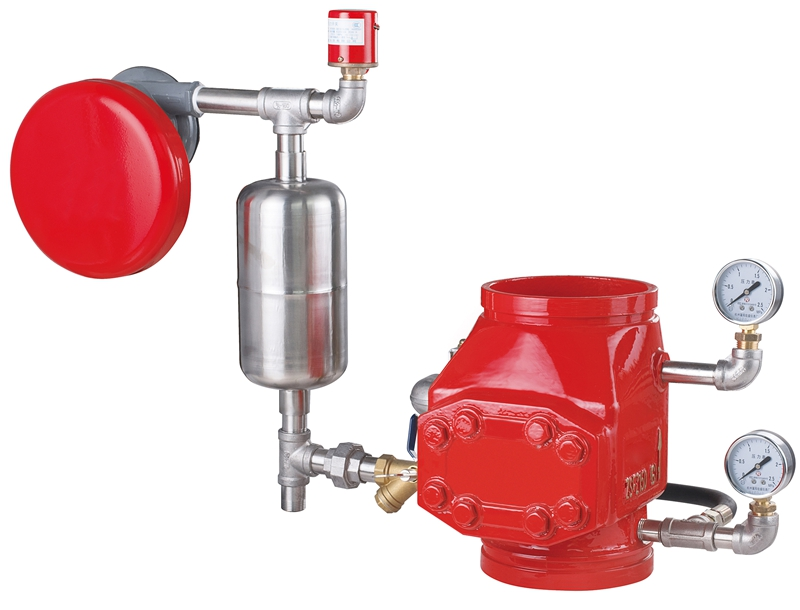
Alarm check valves serve as critical components in fire protection systems by actively monitoring water flow and alerting personnel to potential issues. When a sprinkler head activates, these valves automatically trip, sending a signal to an alarm panel that notifies building occupants and emergency responders. This immediate detection capability allows for rapid intervention, preventing minor incidents from escalating into full-blown emergencies, and is especially vital in large or high-risk facilities where manual monitoring would be impractical.
Beyond their alerting function, these valves incorporate a built-in check mechanism that prevents water from flowing backward into the supply line, maintaining system integrity and preventing contamination or pressure loss. This dual-purpose design ensures that safety systems remain operational even during routine maintenance or after an alarm event, reducing downtime and enhancing overall reliability. By combining real-time alerts with flow control, alarm check valves provide a seamless layer of protection that adapts to dynamic conditions without constant human oversight.
In practice, the integration of alarm check valves can significantly boost safety compliance and operational efficiency. For instance, in industrial settings, they help meet regulatory standards by offering documented proof of system responsiveness, while in residential complexes, they minimize false alarms through precise flow detection. Their versatility and proactive nature make them indispensable for modern safety infrastructures, offering peace of mind that goes beyond mere compliance to foster a culture of prevention and preparedness.
Key Features of Modern Monitoring Valves
Modern monitoring valves are engineered with precision to provide real-time data on system performance, enabling operators to react swiftly to fluctuations. These valves often incorporate advanced sensors that track parameters like pressure, flow rate, and temperature, delivering insights that help prevent costly downtime and optimize efficiency in industrial settings. Instead of relying on guesswork, they allow for data-driven decisions, making maintenance proactive rather than reactive.
A key standout feature is their ability to integrate seamlessly with smart control systems, such as IoT platforms, which facilitate remote access and automation. This connectivity means that alerts can be sent directly to mobile devices or centralized dashboards, allowing for 24/7 oversight without constant manual checks. Unlike older models, these valves adapt to dynamic environments, adjusting thresholds automatically to maintain optimal conditions and reduce energy waste.
Durability and low maintenance are also hallmarks, with designs that resist corrosion and wear even in harsh conditions. By minimizing the need for frequent replacements, they offer long-term cost savings and reliability, ensuring smooth operations across various applications from water treatment to manufacturing plants.
Applications in Industrial and Commercial Settings
In today's rapidly evolving business landscape, the integration of advanced technologies into industrial and commercial environments is transforming how companies operate and compete. From automation systems that streamline manufacturing lines to data analytics platforms that optimize retail inventory, these applications not only enhance efficiency but also drive innovation. In industrial settings, for instance, predictive maintenance powered by IoT sensors can prevent costly downtime by alerting teams to potential equipment failures before they occur, ensuring uninterrupted production cycles and safeguarding investments.
Beyond the factory floor, commercial applications are reshaping customer experiences and operational workflows in sectors like hospitality and finance. Smart building technologies, for example, use energy management systems to adjust lighting and heating based on occupancy, significantly cutting utility costs while contributing to sustainability goals. In retail, personalized marketing tools leverage AI algorithms to analyze consumer behavior, allowing businesses to tailor promotions and improve engagement, ultimately boosting sales and loyalty among diverse customer bases.
What sets these applications apart is their adaptability across different scales and industries, from small startups to multinational corporations. In logistics, real-time tracking systems provide transparency in supply chains, enabling faster deliveries and reducing errors, while in office spaces, collaboration software fosters remote work environments that enhance productivity. By focusing on practicality and scalability, these solutions empower organizations to not just keep pace with market demands but to anticipate and lead change, creating a dynamic edge in competitive fields.
Benefits of Choosing Advanced Valve Solutions
When it comes to optimizing your industrial systems, selecting advanced valve solutions can make a significant difference in performance and reliability. These high-quality components are engineered to handle demanding environments, reducing downtime and maintenance costs. By incorporating cutting-edge materials and precise manufacturing techniques, they ensure seamless operation and enhanced safety across various applications, from oil and gas to water treatment.
One of the key advantages lies in their adaptability to complex process requirements. Advanced valves offer superior control over flow rates and pressures, which can lead to improved efficiency and energy savings. Unlike standard options, they often come with smart features that allow for real-time monitoring and adjustments, helping operators make informed decisions and prevent potential issues before they escalate.
Moreover, investing in these solutions can future-proof your infrastructure. With advancements in automation and integration capabilities, they easily fit into modern digital ecosystems, supporting long-term scalability and compliance with evolving industry standards. This proactive approach not only boosts productivity but also strengthens your competitive edge in a fast-paced market.
Future Trends in Safety Valve Technology
In the realm of industrial safety, safety valve technology is evolving rapidly, driven by the need for more precise and reliable pressure control in increasingly complex systems. One of the most significant trends is the integration of smart features, such as IoT connectivity and advanced sensors. These innovations enable real-time monitoring of valve performance, allowing for predictive maintenance and reducing downtime in critical applications like oil refineries and chemical plants. By leveraging data analytics, operators can detect anomalies early, preventing potential failures and enhancing overall safety without relying on traditional manual checks.
Another emerging trend is the development of materials that offer greater durability and resistance to harsh environments. For instance, the use of advanced alloys and composite materials in valve construction is becoming more common, especially in industries dealing with corrosive substances or extreme temperatures. This shift not only extends the lifespan of safety valves but also reduces maintenance costs and environmental impact by minimizing leaks and emissions. Additionally, lightweight materials are being explored for aerospace and automotive applications, where every gram counts without compromising safety standards.
Furthermore, the push for sustainability is influencing safety valve design, with a focus on energy efficiency and environmental friendliness. Newer models are being engineered to operate with lower pressure drops, which can save significant energy in large-scale industrial processes. There's also a growing emphasis on modular and customizable designs, allowing for easier upgrades and adaptability to specific operational needs. As regulations tighten globally, these trends are set to redefine best practices, ensuring that safety valves not only protect assets and personnel but also contribute to greener, more resilient infrastructure projects worldwide.
FAQ
UL FM alarm check valves are primarily used in fire protection systems to monitor water flow and ensure proper sprinkler operation, helping detect fires early and maintain system integrity.
UL FM certification provides assurance that alarm check valves meet stringent safety and performance standards, ensuring reliability in critical fire protection applications and compliance with industry regulations.
The company likely offers features like advanced sensor integration for real-time monitoring, corrosion-resistant materials, and maintenance alerts to enhance safety and reduce operational downtime.
Real-time monitoring allows for immediate detection of issues like leaks or blockages, enabling quick responses to potential failures and helping prevent system malfunctions during emergencies.
Yes, customization options are often available to fit specific system requirements, such as varying sizes, connection types, and compatibility with different building infrastructures.
By ensuring consistent water flow in sprinkler systems, they play a key role in containing fires, protecting property, and safeguarding lives through reliable automated response mechanisms.
Conclusion
UL FM Alarm Check Valve Company stands at the forefront of safety innovation, continuously pushing boundaries in alarm check valve technology. By exploring cutting-edge advancements, such as enhanced leak detection and real-time monitoring capabilities, these valves significantly bolster safety systems across various industries. Key features like durability, precision, and integration with modern smart networks ensure reliable performance under demanding conditions. This focus on innovation not only meets stringent safety standards but also sets new benchmarks for monitoring efficiency, making these valves indispensable in high-risk environments.
The applications of these advanced valve solutions span industrial and commercial settings, from manufacturing plants to large-scale facilities, where they provide critical protection against potential hazards. Choosing such state-of-the-art valves offers substantial benefits, including reduced downtime, cost savings through proactive maintenance, and improved overall safety compliance. Looking ahead, future trends in safety valve technology point towards greater automation, AI-driven predictive analytics, and eco-friendly designs, positioning UL FM Alarm Check Valve Company as a leader in shaping a safer, more resilient infrastructure for tomorrow's challenges.
Contact Us
Contact Person: George
Email: [email protected]
Tel/WhatsApp: 13863633883
Website: https://www.es-fire.com