
Top Wear Resistant Steel Plate Manufacturers & Suppliers Worldwide
2026-09-14
In an industrial landscape where equipment longevity means everything, the search for durable materials has never been more critical. Wear resistant steel plates stand at the forefront of this quest, offering unmatched protection against abrasion and impact in demanding environments worldwide. Yet, with countless manufacturers claiming superiority, how do you identify those truly delivering on performance and reliability? This article delves into the global market, spotlighting top producers who are redefining industry standards through innovation and proven results. Whether you're in mining, construction, or heavy machinery, discovering the right supplier could transform your operational efficiency.
Exploring the Global Leaders in Top Wear Resistant Steel Plate Production
When it comes to top wear-resistant steel plates, a handful of global leaders consistently push the boundaries of durability and innovation. Companies like SSAB from Sweden and JFE Steel in Japan have carved out reputations for producing high-hardness, abrasion-resistant grades that withstand extreme conditions in mining, construction, and heavy industry. Their advanced manufacturing processes, such as quenched and tempered treatments, ensure these plates offer exceptional service life, reducing downtime and maintenance costs for end-users worldwide. This competitive edge has made these firms go-to suppliers for projects demanding unwavering material performance.
Beyond traditional giants, emerging players and regional specialists are making waves with tailored solutions. For instance, Chinese manufacturers like Baosteel and Wuyang Steel have rapidly expanded their portfolios, offering cost-effective alternatives without compromising on key metrics like Brinell hardness and impact toughness. Meanwhile, European firms such as Thyssenkrupp and voestalpine focus on niche applications, developing plates with enhanced corrosion resistance or specific alloy compositions for harsh environments like offshore operations. This diversification means clients can now source plates optimized for their exact needs, whether for conveyor systems, bucket liners, or crushing equipment.
The future of this sector hinges on continuous R&D and sustainability efforts. Leaders are investing in lighter, stronger plates that improve fuel efficiency in transportation and reduce environmental footprints. Innovations like laser hardening or the integration of nano-materials promise next-generation products with even greater wear resistance. As industries face mounting pressure to enhance productivity and eco-compliance, these top producers are poised to lead the charge, ensuring wear-resistant steel plates remain a cornerstone of industrial advancement globally.
Key Features and Applications of Top Wear Resistant Steel Plates
When it comes to selecting steel plates for demanding environments, top wear resistant steel stands out due to its exceptional ability to withstand both impact and abrasion. These materials are typically alloyed with elements like chromium and carbon to enhance hardness, ensuring they deliver longevity in scenarios where regular steel would quickly deteriorate. By offering a finely balanced combination of toughness and resistance, they minimize maintenance efforts and downtime, making them indispensable across various sectors that face extreme wear challenges.
In real-world applications, the versatility of these steel plates is strikingly evident. They are commonly utilized in the mining industry, where crushers, conveyor belts, and chutes must endure constant exposure to rocks and minerals. Beyond mining, the construction field relies on them for heavy-duty equipment such as excavator buckets and bulldozer blades, which repeatedly contact abrasive soils and debris. Additionally, agricultural machinery employs these plates to protect components like plows and tillers from accelerated wear, thereby extending equipment life in harsh, abrasive conditions.
What truly distinguishes premium wear resistant steel from standard options is its capacity to handle extreme stresses without compromising performance. Manufacturers achieve this through advanced heat treatment processes that optimize microstructure, resulting in surfaces that resist deformation and cracking under intense pressure. This makes these plates ideal for specialized uses in heavy-duty trucks and industrial shredders, where failure is not an option. By providing robust protection in the toughest settings, they contribute significantly to operational efficiency and safety, setting a high bar for durability in material engineering.
Our Products
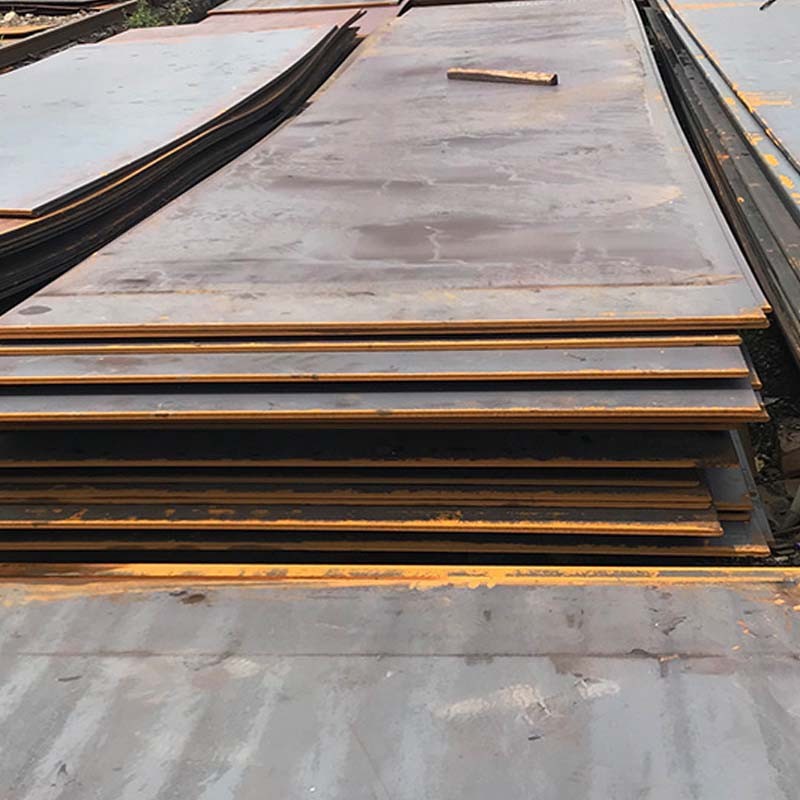
Prominent Manufacturers of Top Wear Resistant Steel Plates Across Continents
As industries worldwide push the boundaries of durability, wear resistant steel plates have become a critical component in demanding applications like mining, construction, and material handling. The production of these advanced materials is concentrated among a select group of manufacturers that have built their reputations through relentless innovation and stringent quality control. From the rugged mining sectors of North America to the precision engineering hubs of Europe and the rapidly expanding industrial landscapes of Asia, these leaders shape the global supply of top-tier wear plates, setting benchmarks for abrasion resistance and longevity.
In North America, companies such as SSAB, with its Hardox brand, stand out for their specialized steel chemistries tailored to withstand extreme wear and impact conditions. Moving across the Atlantic, European manufacturers like Dillinger and ThyssenKrupp have leveraged centuries of metallurgical expertise to produce plates with superior hardness and weldability, often featuring proprietary processing techniques that cater to diverse industrial needs. Meanwhile, in Asia, firms such as JFE Steel of Japan and Baosteel of China have gained prominence by integrating cutting-edge technologies and scaling production to meet growing regional demand, ensuring consistent performance in everything from heavy machinery to infrastructure projects.
Each manufacturer not only competes on technical specifications but also offers value-added services, such as custom cutting and field support, that enhance usability and reduce downtime for clients. For example, some provide on-site welding guidance to optimize plate installation, while others invest in R&D to develop eco-friendly options with reduced environmental impact. This holistic approach ensures that these premier suppliers remain at the forefront of the market, driving advancements that help industries operate more efficiently and sustainably across continents.
Innovations and Technological Advances in Top Wear Resistant Steel Plate Manufacturing
In recent years, the manufacturing of top wear resistant steel plates has seen groundbreaking innovations, particularly through the development of advanced metallurgical processes like thermomechanical controlled processing (TMCP). This technique allows for precise control over the microstructure, resulting in plates with enhanced hardness and toughness. By integrating microalloying elements such as niobium and vanadium, manufacturers can produce steel that withstands extreme abrasion in mining and construction applications, significantly extending equipment lifespan while reducing downtime.
Another key advancement is the adoption of laser cladding and surface engineering technologies, which enable the application of ultra-hard coatings on steel plates. This method not only boosts wear resistance but also allows for targeted reinforcement in high-stress areas, offering a cost-effective alternative to traditional bulk hardening. These tailored solutions are increasingly favored in industries like agriculture and material handling, where specific zones face constant friction and impact.
Additionally, digitalization and smart manufacturing are transforming production lines, with AI-driven quality control systems ensuring consistent properties across batches. Real-time monitoring and data analytics help optimize parameters, leading to more durable and reliable steel plates. This focus on customization and efficiency sets modern wear resistant steel apart, meeting diverse industrial demands with innovative, high-performance materials.
How to Select the Right Top Wear Resistant Steel Plate Supplier
Choosing the right supplier for top wear-resistant steel plates isn't just about finding someone who sells the material—it involves digging into their expertise and track record to ensure reliability. Start by evaluating their experience in the industry, particularly with applications that demand high durability, like mining or construction. Look for suppliers with a proven history of delivering plates that stand up to harsh conditions, and don't hesitate to ask for case studies or testimonials from past clients. This hands-on approach helps you gauge if they truly understand the nuances of wear resistance, rather than just offering a generic product.
Quality assurance is another critical factor that sets top suppliers apart, as it directly impacts the performance and longevity of the steel plates. Scrutinize their certification processes, such as adherence to standards like ASTM or ISO, and inquire about their testing protocols for hardness and abrasion resistance. A reputable supplier should be transparent about their manufacturing methods and provide detailed material data sheets, allowing you to verify specifications yourself. By prioritizing suppliers who emphasize rigorous quality checks, you can avoid costly downtime and ensure your projects run smoothly without unexpected failures.
Beyond technical aspects, consider the supplier's customer service and support, which can make a significant difference in procurement and project timelines. Assess their responsiveness to inquiries, flexibility in handling custom orders, and after-sales support for any issues that arise. A supplier who offers personalized consultations and quick turnaround times can streamline your operations and build a long-term partnership. Ultimately, selecting the right wear-resistant steel plate supplier means balancing expertise, quality, and service to secure a reliable source that enhances your project's success.
The Economic and Industry Impact of Top Wear Resistant Steel Plates
In the competitive industrial landscape, top wear resistant steel plates are revolutionizing operations by significantly extending equipment lifespan and reducing downtime. Their advanced metallurgical formulations, which often incorporate high levels of carbon, chromium, and manganese, create surfaces that withstand abrasive forces far better than standard steel. This durability translates directly into economic benefits for sectors like mining, construction, and agriculture, where machinery faces constant wear from harsh materials. Companies investing in these plates report fewer replacements and repairs, leading to substantial cost savings over time, while also enhancing safety by minimizing equipment failures.
Beyond direct cost reductions, these plates drive industry-wide innovation by enabling the design of more efficient and robust machinery. Manufacturers can now engineer equipment that operates under extreme conditions without compromising performance, pushing the boundaries of productivity. For example, in the mining industry, wear resistant plates allow for the processing of tougher ores at higher speeds, boosting output while lowering energy consumption per ton. This synergy between material science and engineering fosters a ripple effect, spurring advancements in related technologies and creating new market opportunities for specialized solutions.
The impact also extends to sustainability and environmental stewardship, as longer-lasting components reduce waste and resource extraction. By slashing the frequency of replacements, industries cut down on scrap metal and the energy-intensive production of new parts. This aligns with global trends toward circular economies, where durability is prized over disposability. As regulations tighten and consumer preferences shift toward greener practices, the adoption of wear resistant steel plates positions forward-thinking companies to meet these demands while maintaining profitability, solidifying their role as a cornerstone of modern, resilient industrial ecosystems.
FAQ
Companies like SSAB, JFE Steel, and ThyssenKrupp are recognized leaders in producing high-quality wear resistant steel plates for various industrial applications.
Key considerations include the material's hardness and durability, the supplier's technical support and customization options, as well as their delivery reliability and industry certifications.
Wear resistant plates offer superior abrasion resistance and longer service life in harsh environments, thanks to specialized alloying and heat treatment processes that standard plates lack.
Beyond traditional uses in mining and construction, these plates are now being utilized in renewable energy equipment, such as wind turbine components, and in advanced manufacturing for robotic arms.
Recent developments include the introduction of ultra-high hardness grades with improved weldability and the use of sustainable production methods to reduce environmental impact.
Top suppliers implement rigorous quality control systems, including in-house testing labs and adherence to international standards like ISO, to maintain product reliability across batches.
Challenges include achieving a balance between hardness and toughness; manufacturers address this through advanced metallurgical research and precise manufacturing techniques.
Yes, trends include a growing demand for lightweight yet durable plates and increased focus on custom solutions tailored to specific industry needs, such as in the automotive and aerospace sectors.
Conclusion
The global landscape of top wear resistant steel plate manufacturing showcases a dynamic industry driven by international leaders who continuously refine production techniques to meet diverse industrial demands. Across continents, prominent manufacturers leverage innovations in metallurgy and advanced technologies to enhance the durability and performance of these plates. Key features such as high hardness, impact resistance, and customizable specifications make them indispensable in sectors like construction, mining, and heavy machinery. By exploring the economic impacts and industry applications, it becomes evident that these steel plates contribute significantly to operational efficiency and sustainability worldwide.
Selecting the right supplier involves evaluating factors like product quality, technological advancements, and global reach, ensuring alignment with specific project requirements. As manufacturers push boundaries with cutting-edge developments, the market remains competitive, fostering growth and resilience in various industrial sectors. This comprehensive overview underscores the critical role of top wear resistant steel plates in modern infrastructure and manufacturing, highlighting the importance of informed decision-making for optimal outcomes in global supply chains.
Contact Us
Contact Person: Zoe Liang
Email: [email protected]
Tel/WhatsApp: 86 189 2128 6299
Website: https://www.baowuchina.com