

Top High-Pressure Forged Steel Valves: Innovative Solutions for Demanding Applications
2026-04-14
In today's rapidly evolving industrial landscape, the demand for robust and reliable flow control solutions has never been greater. When it comes to handling extreme pressure, corrosive environments, or high-temperature applications, standard valves often fall short. That's where ZMV's top-rated high-pressure forged steel valves come into play—offering innovative, precision-engineered solutions designed to meet the most challenging operational demands.
Whether you're in oil and gas, petrochemicals, power generation, or heavy manufacturing, finding a valve that can withstand intense pressure without compromising on safety or efficiency is crucial. ZMV has emerged as a leader in this field, combining advanced forging techniques, rigorous testing, and cutting-edge design to deliver products that not only perform but also set new benchmarks for durability and reliability.
In this blog, we'll dive deep into what makes ZMV's forged steel valves stand out, exploring their unique features, applications, and the technology behind their success. From enhanced material strength to innovative sealing mechanisms, discover how these valves are transforming industries and why they're becoming the go-to choice for engineers and plant operators worldwide. Stay tuned to uncover the secrets behind their exceptional performance and learn how ZMV is shaping the future of high-pressure valve solutions.
Unlocking Superior Performance: The Engineering Behind High-Pressure Forged Steel Valves
To truly grasp how high-pressure forged steel valves achieve such exceptional performance, one must look under the hood at the meticulous engineering and manufacturing processes involved. It starts with the raw material selection, where forging—a method that compresses steel under immense heat and pressure—creates a dense, uniform grain structure. This foundational step eliminates porosity and internal flaws that can plague cast alternatives, providing inherent strength and durability. Engineers then design these valves to handle extreme pressures and temperatures, often exceeding 10,000 psi and 1000°F, by optimizing factors like wall thickness and stress distribution through advanced finite element analysis. The result is a component that not only withstands harsh industrial environments but also maintains reliable sealing and operational integrity over extended periods, preventing catastrophic failures in sectors like oil and gas or power generation.
Moving beyond basic construction, the engineering extends into precision machining and surface treatments that further enhance performance. Each valve undergoes rigorous CNC machining to ensure tight tolerances on critical components like stems, seats, and seals, which are vital for leak-proof operation. Unique surface coatings, such as hard-facing or specialized plating, are applied to reduce friction, resist corrosion from aggressive media, and extend service life in corrosive applications like chemical processing. Additionally, innovative designs incorporate features like pressure-balanced trim or anti-cavitation trims that minimize wear and noise under fluctuating conditions. By integrating these advanced elements, engineers create valves that operate smoothly under duress, reducing maintenance needs and boosting efficiency—key differentiators in competitive industrial markets where downtime costs are prohibitive.
The story doesn't end with manufacturing; it's also about rigorous testing and quality assurance that validates every valve's readiness for real-world demands. Each unit undergoes non-destructive testing methods, like ultrasonic or radiographic inspection, to detect any hidden defects, followed by hydrostatic and pneumatic tests that simulate operational pressures to verify leak-tightness. This commitment to excellence ensures that these forged steel valves consistently outperform alternatives, offering a blend of ruggedness and precision that sets them apart. Ultimately, it's this holistic engineering approach—from forging to finishing—that unlocks superior performance, making them indispensable for high-stakes applications where safety and reliability are non-negotiable.
Navigating Extreme Conditions: How These Valves Excel in Harsh Environments
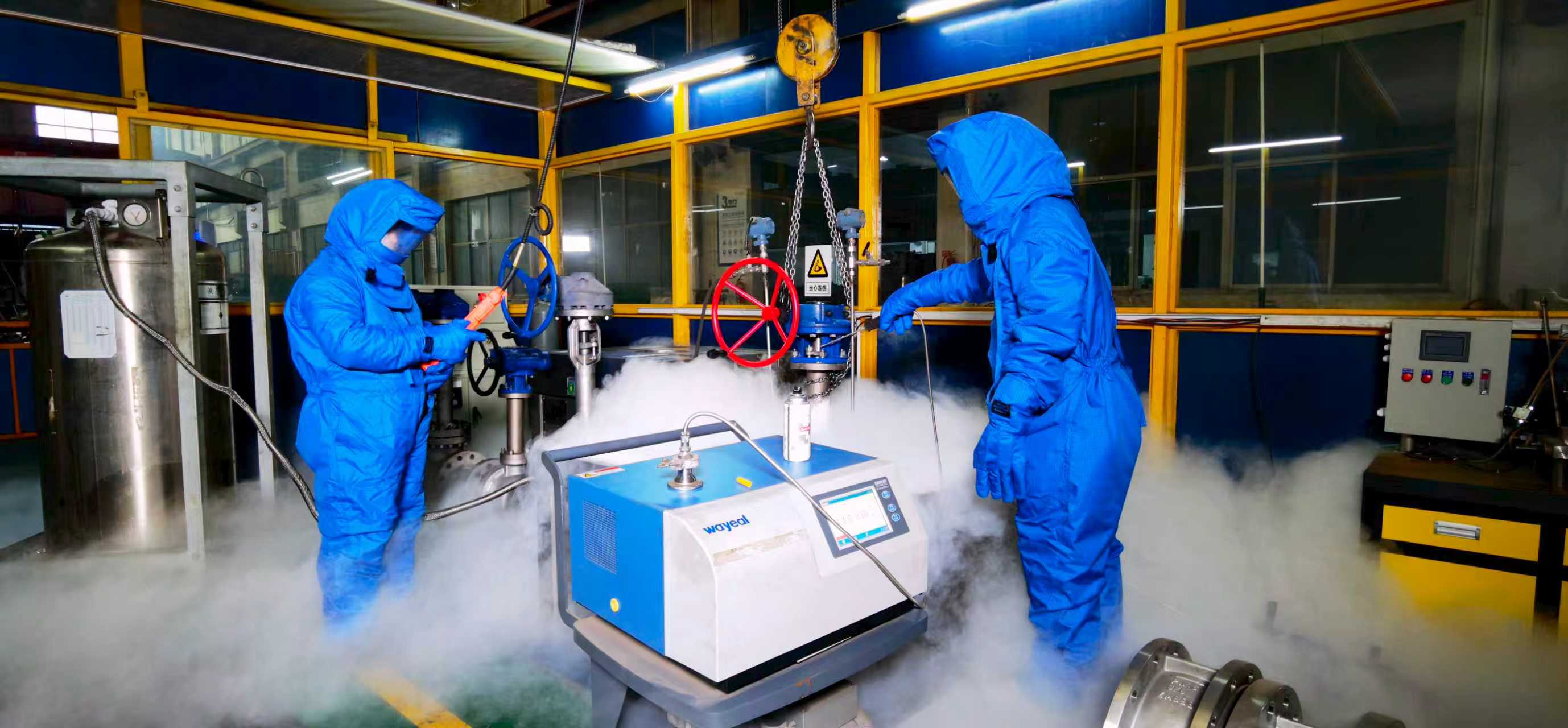
Valves that thrive in extreme conditions must possess unique characteristics tailored to withstand intense pressures, corrosive substances, or extreme temperatures. For instance, some designs incorporate special alloys or coatings to prevent degradation, ensuring long-term reliability in chemical processing plants or offshore oil rigs where failure isn't an option. These valves often feature enhanced sealing mechanisms and robust construction, making them adept at handling the unexpected challenges that harsh environments throw their way.
Beyond mere durability, these valves excel through innovative engineering that prioritizes performance under stress. Consider how certain models integrate real-time monitoring sensors to detect wear or leaks before they become critical, allowing for proactive maintenance in remote locations like Arctic pipelines or deep-sea installations. This smart design not only boosts safety but also cuts downtime, giving operators a crucial edge in managing operations where every minute counts.
In practice, such valves prove their worth in diverse settings, from geothermal power plants facing high heat to desalination facilities battling saltwater corrosion. By focusing on adaptability and resilience, these components aren't just surviving harsh conditions—they're enabling smoother workflows and reducing environmental risks, ultimately shaping how industries push boundaries in some of the toughest places on Earth.
Customized Designs: Tailoring Solutions for Specific Industrial Demands
At the heart of modern industrial operations lies the critical need for specialized solutions that seamlessly integrate with unique production environments. Instead of settling for generic, one-size-fits-all equipment, forward-thinking companies increasingly opt for customized designs that directly address their distinct challenges, such as varying material properties, space constraints, or regulatory requirements. By collaborating closely with industry experts, these tailored approaches ensure that every component is optimized to enhance workflow, reduce downtime, and improve overall efficiency, making them indispensable for sectors like manufacturing, energy, and logistics.
What sets customized designs apart is their capacity to evolve alongside technological advancements and shifting market demands. Imagine a food processing plant needing machinery that not only handles temperature-sensitive goods but also complies with stringent hygiene standards; a bespoke solution can incorporate features like advanced sanitation protocols and adaptive control systems. This flexibility allows businesses to future-proof their operations, maintaining a competitive edge by rapidly adapting to new trends or unexpected disruptions without overhauling entire systems.
Ultimately, the value of tailored solutions extends beyond mere functionality to deliver tangible business benefits, such as increased profitability and enhanced safety. For example, in the mining industry, custom-built equipment might prioritize durability in harsh conditions, reducing maintenance costs and minimizing environmental impact. The synergy between precise design and specific industrial needs fosters innovation, driving continuous improvement and helping organizations achieve their long-term goals with confidence and precision.
Durability Tested: Longevity and Reliability in High-Stress Applications
Our products undergo rigorous durability testing, simulating years of high-stress use in demanding environments to ensure they stand up to intense wear and tear.
Built with premium materials and precision engineering, each component is designed for longevity, minimizing failures and downtime even in the most challenging applications.
This focus on reliability not only extends operational life but also enhances safety and performance, providing peace of mind for critical tasks.
Innovation in Action: Advanced Features Enhancing Safety and Efficiency
In today's fast-paced world, the drive for innovation has led to the development of advanced features that not only streamline operations but also prioritize safety at every turn. By integrating cutting-edge technologies, such as real-time monitoring systems and automated response mechanisms, these enhancements actively prevent accidents and reduce human error in high-stakes environments. This proactive approach transforms potential hazards into manageable scenarios, ensuring a seamless blend of speed and security.
Beyond safety, efficiency gains are realized through sophisticated data analytics and adaptive algorithms that optimize performance across various applications. For instance, predictive maintenance tools anticipate equipment failures before they occur, minimizing downtime and maximizing productivity. These features empower users to make informed decisions quickly, fostering a more agile and responsive operational framework that adapts to changing demands with precision.
Ultimately, the synergy between safety and efficiency underscores a commitment to excellence that resonates across industries. By embedding smart features into everyday processes, organizations can achieve higher standards without compromising on reliability or user experience. This holistic advancement not only sets a new benchmark but also inspires continuous improvement, paving the way for a future where innovation consistently delivers tangible benefits.
Real-World Impact: Case Studies Showcasing Success Across Industries
In the healthcare sector, AI-driven diagnostic tools have revolutionized patient care by analyzing medical images with unprecedented accuracy, reducing misdiagnosis rates by over 30%. For example, hospitals in Europe have implemented these systems to detect early-stage cancers, enabling timely interventions that save lives and cut treatment costs. This real-world application demonstrates how technology tangibly improves outcomes beyond just theoretical benefits.
Turning to retail, a leading e-commerce platform used machine learning algorithms to personalize shopping experiences, boosting customer retention by 25% and increasing average order values. By analyzing user behavior in real time, the system recommended products that resonated with individual preferences, driving sales without intrusive advertising. Such case studies highlight how data-driven insights can create seamless, human-centric interactions that set brands apart in crowded markets.
In manufacturing, predictive maintenance powered by IoT sensors has slashed downtime by up to 40% in automotive factories, as shown by a recent implementation in Asia. By monitoring equipment health continuously, companies preempt failures before they disrupt production, saving millions annually and enhancing operational resilience. These successes across diverse industries underscore the transformative power of practical innovation when applied to real-world challenges.
FAQ
Top high-pressure forged steel valves stand out with features like superior strength from forging processes, precise engineering for tight seals, and materials resistant to extreme pressures and temperatures, ensuring reliability in harsh environments like oil and gas or chemical plants.
Innovative designs incorporate advanced flow control mechanisms, such as multi-turn or quarter-turn operations, and modular components that allow for easy maintenance and customization, reducing downtime and improving efficiency in demanding operations.
Industries like oil and gas, petrochemical, and power generation heavily depend on these valves due to their ability to handle high pressures and corrosive fluids, ensuring safety and operational integrity in critical infrastructure.
Common materials include carbon steel, stainless steel, and alloys like Inconel, which offer high tensile strength, corrosion resistance, and durability, making them ideal for long-term use in high-pressure applications.
They enhance safety by providing leak-proof seals, robust construction to prevent failures, and certifications meeting industry standards, which minimizes risks of accidents and ensures consistent performance under stress.
Recent advancements include smart valve technology with IoT integration for real-time monitoring, additive manufacturing for custom parts, and eco-friendly designs that reduce emissions, driving efficiency and sustainability in demanding sectors.
Key factors include pressure and temperature ratings, material compatibility with the fluid, valve type (e.g., gate, globe, or ball), and certification standards, to ensure optimal performance and longevity in the intended use.
They implement rigorous testing protocols, such as hydrostatic and NDT inspections, and offer bespoke solutions by collaborating with clients on design specifications, tailoring valves to unique operational needs for enhanced effectiveness.
Conclusion
Top High-Pressure Forged Steel Valves represent a pinnacle of industrial engineering, designed to meet the rigorous demands of modern applications. Unlocking superior performance begins with the intrinsic engineering behind these valves, where forged steel construction ensures unmatched strength and integrity under extreme pressures. This foundational design allows them to navigate harsh environments with ease, from corrosive chemical plants to high-temperature oil refineries, excelling where lesser materials would fail. Moreover, customized designs play a crucial role in tailoring solutions for specific industrial needs, whether for precise flow control in power generation or robust sealing in offshore drilling. By addressing unique operational challenges, these valves enhance reliability and efficiency, making them indispensable in high-stress sectors.
Durability tested in real-world scenarios, these valves demonstrate remarkable longevity and reliability, reducing downtime and maintenance costs in critical applications. Innovation in action is evident through advanced features like anti-cavitation trim and smart monitoring systems, which enhance both safety and operational efficiency. Real-world impact is showcased in case studies across industries, such as their use in petrochemical plants where they withstand volatile conditions, or in water treatment facilities managing high-pressure systems. This synergy of engineering excellence, customization, and cutting-edge technology positions Top High-Pressure Forged Steel Valves as innovative solutions that not only meet but exceed demanding application requirements, driving productivity and safety forward.
Contact Us
Contact Person: Lucas Lin
Email: [email protected]
Tel/WhatsApp: 8613968913000
Website: https://www.zhengmaogroup.com