

Top Galvanized Solar Bracket Supplier in China: Key Factors for High-Efficiency Installations
2026-02-06
In China's rapidly advancing solar industry, selecting the right galvanized solar bracket supplier is crucial for achieving high-efficiency installations. At Energet Solar, we've honed the expertise needed to navigate key factors like durability, precision engineering, and cost-effectiveness. This blog delves into what sets top suppliers apart and how these elements drive sustainable energy success. Dive in to discover insights that could transform your next solar project.
Understanding Galvanized Solar Bracket Materials and Durability
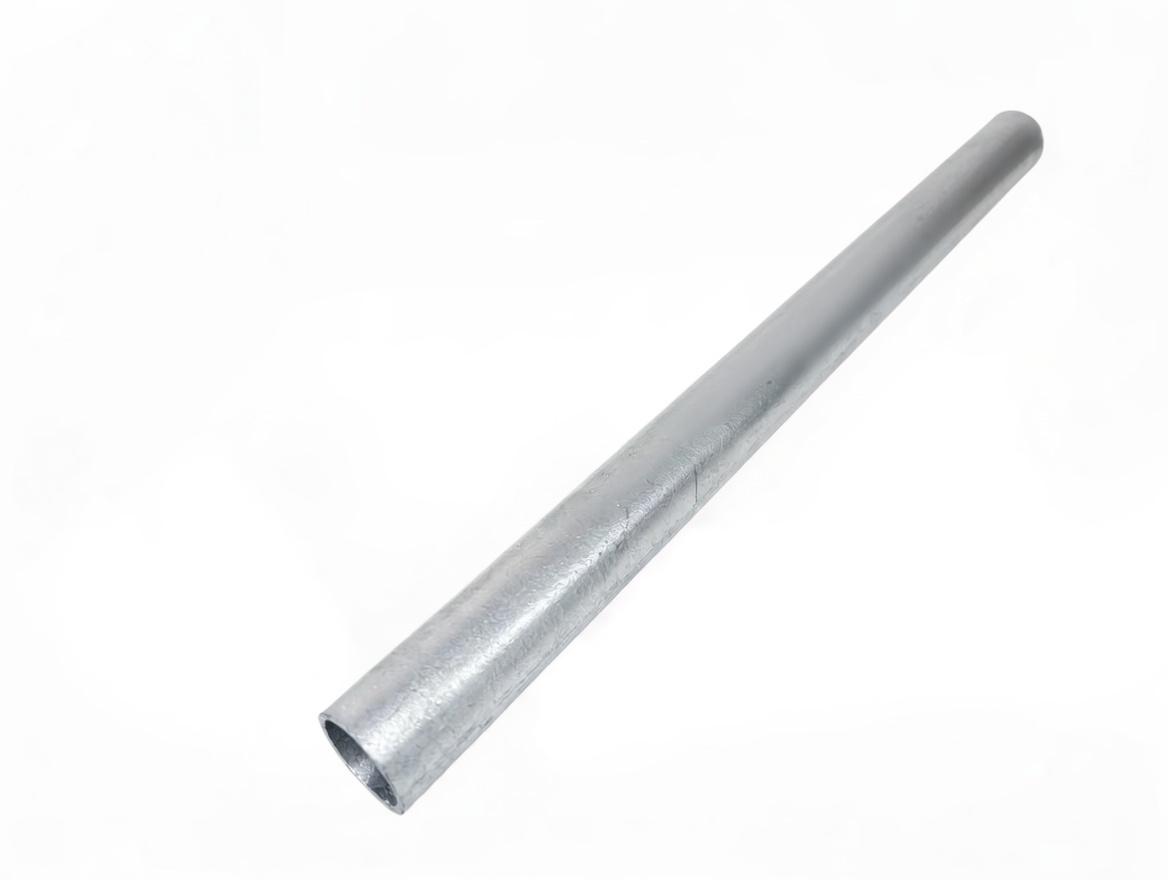
Galvanized solar brackets play a crucial role in the structural integrity of solar panel installations, often overlooked but essential for long-term performance. By applying a zinc coating through hot-dip galvanizing, these brackets gain a protective layer that resists rust and corrosion, even in harsh environments. This process involves dipping steel components into molten zinc, which bonds metallurgically to form a barrier against moisture and chemicals. Homeowners and installers benefit from this durability, as it minimizes maintenance needs and extends the system's lifespan, ensuring reliable energy generation over decades.
Selecting the right galvanized bracket involves more than just corrosion resistance; factors like thickness of the zinc coating, measured in microns or mils, can significantly impact durability. A thicker coating provides enhanced protection, especially in coastal or industrial areas prone to salt spray or pollutants. Additionally, the quality of the base steel matters—higher-grade steel with proper alloying elements contributes to overall strength and resistance to deformation under load. For instance, brackets engineered with specific steel compositions can withstand extreme weather events, making them a smart investment for installations in regions with high winds or heavy snow.
Beyond material properties, installation practices also influence the durability of galvanized solar brackets. Proper mounting techniques, such as using compatible fasteners and avoiding scratches that expose bare steel, help preserve the galvanized layer. Over time, even minor damage can lead to localized corrosion if not addressed, so understanding the importance of regular inspections is key for maximizing bracket life. By combining high-quality galvanizing with careful installation and maintenance, solar energy systems can achieve optimal performance, reducing downtime and enhancing overall efficiency without frequent replacements.
Engineering Designs for Optimal Sunlight Capture and Stability
In the world of solar technology, engineering designs that maximize sunlight capture while ensuring long-term stability are key to efficient energy generation. These designs often incorporate advanced materials like bifacial panels and tracking systems to adapt to changing light conditions throughout the day. By focusing on durability and minimal maintenance, engineers create structures that withstand environmental stresses, from high winds to heavy snow, ensuring consistent performance over decades.
Innovative approaches in this field include the use of lightweight, flexible solar arrays and integrated shading solutions that prevent overheating and optimize energy output. For instance, some designs utilize smart algorithms to adjust panel angles in real-time, capturing the most sunlight during peak hours without compromising structural integrity. This balance between high efficiency and robust construction is what sets top-tier solar projects apart from standard installations.
Moreover, sustainable engineering practices are prioritized by incorporating recyclable materials and designing for easy disassembly at the end of a system's life. By blending cutting-edge technology with eco-friendly principles, these designs not only enhance power generation but also contribute to a greener future, making them a smart choice for both residential and commercial applications.
Customization Options to Meet Diverse Installation Needs
We understand that every installation environment is unique, from cramped urban apartments to expansive industrial facilities. That's why our product lineup isn't just a one-size-fits-all solution; it's built with flexibility at its core. Instead of forcing you to adapt to our design, we offer modular components that can be mixed and matched on-site. This means you can adjust sizing, orientation, and even functionality based on your specific spatial constraints or workflow requirements. Whether you're working with limited wall space or need to integrate into existing machinery, our customization process is straightforward and guided by our experts.
Going beyond basic adjustments, we've developed a range of specialized kits that address niche installation challenges others might overlook. For instance, our weather-resistant variants include materials engineered to withstand extreme humidity or temperature swings, perfect for outdoor or harsh indoor settings. Meanwhile, quick-mount options allow for temporary setups without compromising stability, ideal for events or demo spaces. These aren't just add-ons; they're thoughtfully designed to ensure seamless operation regardless of the conditions, saving you time and hassle during setup.
To make customization truly effortless, we provide hands-on support through detailed guides and virtual consultations. Our team doesn't just ship parts and leave you guessing—they walk you through configuration choices step-by-step, suggesting optimizations based on real-world feedback from past installations. This collaborative approach helps prevent common issues like misalignment or inefficiency, ensuring your setup not only fits but performs optimally from day one. Ultimately, our goal is to empower you with tools that feel tailor-made, without the complexity or high costs often associated with bespoke solutions.
Quality Control Processes Ensuring Long-Term Performance
To guarantee enduring performance, quality control processes are meticulously designed as an integral part of product development and maintenance cycles. This approach involves establishing clear standards and continuous monitoring from the initial design phase through to post-launch support. Regular audits and feedback loops are implemented to identify potential issues early, allowing for proactive adjustments rather than reactive fixes. By embedding quality checks at every stage, organizations can build robust systems that withstand the test of time and evolving user demands, ensuring that products not only meet but exceed expectations over the long haul.
A key aspect of these processes is the emphasis on data-driven decision-making, which leverages real-time analytics and historical performance metrics to inform quality improvements. Teams utilize automated testing and manual inspections in tandem to catch subtle defects that might otherwise go unnoticed, fostering a culture of precision and accountability. This dual approach helps in maintaining consistency across different production batches and updates, thereby supporting sustained reliability and minimizing downtime or failures that could tarnish reputation and customer trust.
Furthermore, integrating quality control with ongoing training and stakeholder collaboration ensures that all team members are aligned with long-term performance goals. By involving cross-functional departments in review sessions and encouraging open communication about challenges, organizations can adapt processes dynamically to changing market conditions and technological advancements. This holistic strategy not only enhances product durability but also cultivates innovation, as insights from quality assessments often lead to refinements that boost efficiency and user satisfaction over extended periods.
Cost-Effectiveness and Value in Solar Project Investments
When diving into solar project investments, cost-effectiveness isn't just about upfront expenses; it's about understanding the long-term value equation. Many overlook factors like energy independence and reduced utility bills over decades. By focusing on tailored systems that match your energy needs, you can avoid overspending on unnecessary capacity. It's a shift from seeing solar as a simple purchase to viewing it as a strategic asset that pays dividends in stability and savings, often outperforming traditional investments in volatile markets.
The real value of solar investments often lies in hidden benefits beyond direct financial returns. Consider how solar panels can enhance property values, with studies showing homes equipped with them sell faster and at a premium. Additionally, incentives like tax credits and net metering can significantly improve the payback period, making projects more accessible. It's about crafting a holistic approach that balances initial costs with ongoing advantages, ensuring the investment aligns with both economic goals and environmental impact.
Innovations in solar technology are continually reshaping cost-effectiveness. Efficient panels and smart energy management systems now offer higher outputs at lower maintenance, extending the lifespan of investments. By staying informed on emerging trends, investors can capitalize on opportunities to integrate storage solutions or community solar programs. This adaptability not only maximizes returns but also future-proofs investments against energy market shifts, proving that true value in solar projects comes from a dynamic, forward-thinking strategy.
Sustainability and Environmental Impact of Bracket Solutions
When it comes to mounting solutions, it's easy to overlook how traditional brackets can leave a hefty environmental footprint. From the raw materials extracted—often metals like steel or aluminum—to the energy-intensive manufacturing processes, the journey of a typical bracket is riddled with sustainability challenges. Many are manufactured in ways that generate excessive waste, rely on non-renewable resources, and contribute to greenhouse gas emissions throughout their lifecycle.
However, the tide is turning with the rise of eco-friendly bracket alternatives. Innovative designs now incorporate recycled materials, such as reclaimed metals or post-consumer plastics, drastically reducing the need for virgin resources. Some manufacturers are adopting production methods that minimize energy consumption and emissions, like using solar-powered facilities or optimizing logistics to cut down on transportation-related carbon. These brackets don't just hold things up; they're built to last longer, reducing replacement cycles and the associated environmental toll.
The impact goes beyond materials and manufacturing. Thoughtfully designed brackets can enhance the sustainability of entire structures or products they support, such as enabling efficient solar panel installations or modular systems that are easier to disassemble and recycle. By choosing smart bracket solutions, industries can shrink their ecological footprint, aligning with global efforts to foster a more circular economy and a healthier planet.
FAQ
A top supplier is often distinguished by their use of advanced galvanization processes, adherence to international quality standards, and a proven track record in large-scale solar projects—factors that ensure long-term durability and minimal maintenance costs.
Galvanization applies a protective zinc coating to steel brackets, preventing rust and corrosion. This enhances the system's lifespan, especially in harsh environments, by maintaining structural integrity and reducing efficiency losses from bracket degradation.
Key materials include hot-dipped galvanized steel for corrosion resistance, alongside designs that optimize panel tilt and airflow. Innovative features like adjustable angles and lightweight yet sturdy frames also boost energy yield by maximizing sun exposure.
Yes, reputable suppliers typically comply with ISO 9001 for quality management and ISO 14001 for environmental practices, along with industry-specific standards like UL 2703 for mounting systems, ensuring safety and performance consistency.
Customization is crucial, as varied terrains—such as rooftops, deserts, or coastal areas—demand tailored solutions. Suppliers offering adaptable designs and engineering support can improve installation efficiency and resilience against local weather conditions.
Current trends focus on lightweight materials like aluminum alloys, modular systems for faster installation, and smart brackets with integrated sensors for real-time monitoring, all aimed at reducing costs and enhancing overall system efficiency.
Conclusion
In China's competitive solar market, the leading galvanized solar bracket suppliers distinguish themselves through a comprehensive approach that prioritizes both durability and efficiency. Understanding the critical role of galvanized materials in ensuring long-term resistance to corrosion and harsh weather conditions is fundamental to their success. These suppliers engineer designs that optimize sunlight capture and stability, incorporating advanced structural elements to maximize energy output while withstanding environmental stresses. By offering extensive customization options, they address diverse installation needs, from residential rooftops to large-scale commercial arrays, ensuring compatibility with various terrains and mounting systems. This adaptability, combined with rigorous quality control processes, guarantees reliable performance that stands the test of time.
Beyond technical excellence, top suppliers emphasize cost-effectiveness and value, providing solutions that reduce overall project investments without compromising quality. Their focus on sustainability extends to minimizing environmental impact through eco-friendly manufacturing practices and recyclable materials, aligning with global green energy goals. By integrating innovation with practicality, these suppliers deliver bracket systems that enhance solar efficiency, support sustainable development, and offer unparalleled reliability in the dynamic renewable energy sector.
Contact Us
Contact Person: Simon
Email: [email protected]
Tel/WhatsApp: 8613672181100
Website: https://energetsolar.com/