

Top 10 China Polyurethane Production Lines Worth Evaluating
2026-11-16
China’s polyurethane production landscape is shifting fast, with new lines pushing efficiency, precision, and automation far beyond what was possible a decade ago. If you’re weighing an upgrade or a full-scale investment, the number of options can feel overwhelming — and not every line lives up to its spec sheet. That’s why we’ve narrowed the field to ten systems that genuinely deserve a closer look. Along the way, we’ll spotlight how YI ZHOU TECHNOLOGY approaches polyurethane equipment differently, blending practical engineering with the kind of durability that keeps downtime off your floor. Whether you’re running rigid foam, flexible foam, or specialty elastomers, this guide will help you separate serious contenders from marketing noise.
Where Throughput Gains Actually Come From on These Lines
Most of the throughput gain on these lines doesn't come from a faster machine. It comes from shortening the small delays that repeat all day: a fixture that takes too long to clamp, an inspection step that handles parts in batches, a part cart parked just far enough away that the operator walks extra steps every cycle. None of these appear on the equipment specification sheet, but together they set the real pace of the line.
Another underrated source is run stability. A line that holds a consistent pace for six hours often out-produces a faster line that keeps tripping on minor alarms or waiting for the next container. Reducing those interruptions usually means simplifying the work at the constraint, improving access to tools and materials, and making abnormal conditions easier to spot before they become downtime.
Handoffs also hide a lot of lost output. When the next shift has to relearn what the previous shift already solved, or when setup instructions don't match the actual order of work, the line loses time without a single breakdown. Cleaning up those transitions is less visible than an equipment upgrade, but it tends to deliver output that actually shows up at the end of the shift.
Raw Material Handling Choices That Decide Product Consistency
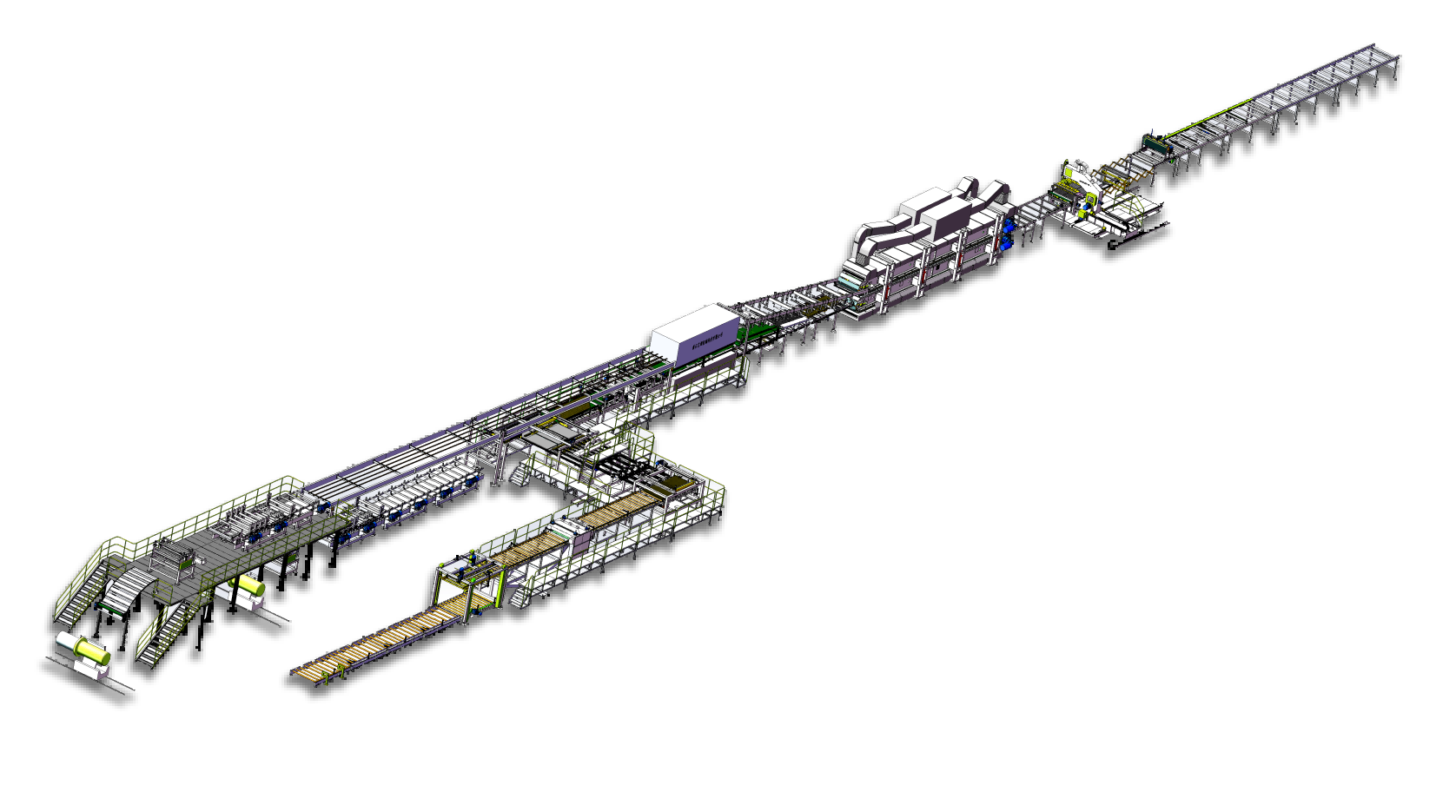
In most processing lines, the first threat to batch-to-batch uniformity is not the mixer but the moisture sitting in a raw material bin. A resin or powder that absorbs humidity overnight can change flow behaviour enough to alter feed rates and compacting force. Instead of relying on a fixed formula, operators who track incoming moisture, pre-dry when needed, and keep silo discharge temperatures stable tend to see fewer density shifts downstream.
Particle size distribution can shift simply through how material is transferred. Free-fall drops, long screw conveyors, or high-velocity pneumatic lines separate fines from coarse particles, so the blender receives an unrepresentative sample even when the original lot was within specification. Sampling at the point of use, rather than only at receiving, catches this drift before it becomes a visible defect.
Lot-to-lot variation is unavoidable, but handling choices determine whether it shows up in the finished product. Blending multiple incoming lots, reserving a portion of the previous lot for transition runs, and adjusting process parameters based on actual bulk density readings help smooth out changes that a certificate of analysis alone will not reveal.
How Much Automation Makes Sense Before It Slows Operators Down
There is a point where every extra automated prompt stops feeling like help and starts reading like noise. A well-timed suggestion can keep an operator ahead of a drift, but four or five stacked alerts competing for the same glance tend to bury the one signal that actually matters. The question is rarely whether a system can automate a task; it is whether the operator still has enough mental room to stay in charge of the parts that cannot be scripted.
Sensible automation tends to cluster around repetitive checks, data lookups, and low-stakes adjustments. Once it reaches into judgment calls, sequencing decisions, or anything that requires local context, the friction shows up quietly: slower confirmations, more overrides, and people working around the tool instead of with it. A useful line to draw is whether the automation removes a distraction or simply adds another thing to monitor.
The best balance usually feels a little conservative on paper. It keeps the operator moving at their own rhythm and reserves the machine for the parts where speed is genuinely useful. If a process requires constant babysitting to correct automated choices, the time saved has already been spent somewhere else.
Thermal Control Weak Points You Will See in Reject Rates
Reject rates rarely climb for a single dramatic reason. More often, they trace back to the same handful of thermal weak points: solder joints near high-current paths, pad-to-lead interfaces that see repeated expansion mismatches, and thin dielectric layers that break down after enough thermal cycling. These are not exotic failures. They show up as small cracks, lifted pads, or discolored substrates that get flagged only after a batch has already drifted out of tolerance.
One pattern that stands out is the gap between steady-state testing and real thermal transients. A board may pass a soak test at a fixed temperature, yet still produce field returns because a power component cycles faster than the surrounding copper can spread the heat. The result is localized stress that eventually opens a trace or separates a component from its thermal pad. When reject rates tick upward, the first useful check is usually a thermal camera pass under actual load, not another pass/fail bench test.
Interface materials also deserve more attention than they typically get. Thermal paste, gap filler, or phase-change material can slump, pump out, or dry unevenly after a few hundred cycles. Once that layer loses contact, the junction temperature rises and the same electrical performance that looked acceptable at first becomes a reliability problem. Catching these weak points early means looking past average temperature readings and tracking the spread across a batch, because the worst units usually predict the next reject spike.
Maintenance and Spare Parts Realities After the Warranty Ends
Once the warranty lapses, the true operating costs start showing up in places the sales sheet never mentioned. Items like seals, belts, filters, and suspension bushings suddenly become line items, and even a simple diagnostic visit carries a labor charge. Machines that work in heat, dust, or stop-and-go duty cycles often need these wear parts replaced earlier than the manual suggests. Owners who set aside a monthly maintenance fund tend to absorb these costs without scrambling when something small fails.
Parts availability is another variable that changes after the warranty period. Dealer networks usually keep fast-moving items on the shelf, but slower-moving assemblies can be backordered for weeks once a model is no longer current. The aftermarket fills some gaps with lower-cost alternatives, though not all of them are equal. A pump or sensor that costs half as much may fail twice as fast if the tolerances or materials are not suited to the application. Reading actual teardown comparisons and talking with independent technicians helps separate dependable replacements from false savings.
Then there are the proprietary components that quietly disappear from catalogs as suppliers consolidate or production lines move on. Electronic control units, display panels, and model-specific harnesses are frequent culprits. When a new-old-stock unit is priced absurdly high or simply unavailable, refurbishment services and reputable salvage networks become practical options. Keeping a record of part numbers, software versions, and service bulletins before the warranty expires can save a lot of phone calls and downtime later.
Energy Consumption Patterns That Rewrite the Purchase Price
Most buyers fixate on the sticker number, yet the real financial story hides inside monthly utility curves and peak-load behavior. A building that posts a low asking price can quietly demand twice as much in cooling, heating, and standby losses over five years. When you map hourly draw against occupancy schedules, the patterns reveal which properties bleed cash after midnight or during shoulder seasons. Those quiet hours, often ignored during a quick walkthrough, routinely add fifteen to twenty percent to the effective cost per square foot.
The gap between two similar listings grows sharper once you compare not just total kilowatt-hours but when that power is pulled. A modest building with steady base loads may outspend a larger one that shifts heavy equipment to off-peak windows. Demand charges, time-of-use rates, and poorly calibrated controls turn a bargain into a liability before the first renovation quote arrives. Purchasers who request interval data and sub-meter breakdowns can renegotiate price based on measured waste rather than brochure promises.
Lenders and insurers increasingly read these patterns as risk markers. A property with erratic overnight spikes or a climbing year-over-year intensity often triggers higher borrowing costs, tighter reserves, and reduced coverage options. That means the purchase price gets rewritten not by the seller's margin but by the buyer's ability to forecast consumption. In that math, the cheaper building can end up costing more than the premium one—because the real discount belongs to whoever understands the meter before signing.
FAQ
Most lines that deserve attention combine high-pressure mixing heads with modular controls, so you can switch between flexible and rigid foam without rebuilding the entire setup. Chinese suppliers have also narrowed the gap in metering accuracy, which used to be the main reason buyers hesitated.
A line rated between 3,000 and 8,000 tonnes per year usually gives enough headroom without forcing you to overinvest. Any smaller and you struggle with continuous production; much larger and the payback depends heavily on steady downstream orders.
The better-known builders now use closed-loop temperature control and servo-driven conveyors, which keeps density drift in check over long runs. Reliability is less of a blanket issue than it was a decade ago, but it still varies a lot by factory, so visiting reference sites matters.
Start with the metering pumps and mixing chamber design, because those determine ratio tolerance and foam quality. After that, look at how the control system stores recipes and alarms, then check whether spare parts are available locally or only through the manufacturer.
Many offer quick-change mixing heads and recipe-driven process settings, which reduces downtime when moving from insulation panels to soft foam blocks. The practical limit is usually the conveyor and cutting section, not the chemical side.
Serious manufacturers now include carbon bed or thermal oxidizer options for ventilation streams, plus enclosed solvent flushing on the mixing head. Even when these are add-ons rather than standard, the fact that they are offered as factory-integrated modules makes permitting easier.
It depends on the tier of supplier. The top names maintain regional service engineers and remote diagnostic access, which cuts downtime for foreign buyers. Smaller workshops may sell at a lower price but often leave you dependent on third-party contractors after installation.
They are strongest in insulation board, spray foam, automotive seating foam, and mattress slabstock lines where the required tolerances are well understood. Highly specialized products like low-density microcellular foams may still call for closer engineering collaboration.
Conclusion
The value of a Chinese polyurethane line rarely shows up in brochure speeds. On the better-built systems, throughput gains come from synchronized metering and mixing rather than simply pushing more material through the pumps. Raw material handling often separates consistent output from batch-to-batch drift: closed-loop tempering, nitrogen blanketing on isocyanate tanks, and short residence time in day tanks prevent moisture and viscosity swings that later appear as foam voids or surface defects. Automation needs to be measured against operator workload, not just headcount. Lines that automate shot timing and pre-flush cycles tend to hold tolerances better, while over-automated recipe screens can slow changeovers and invite workarounds that compromise repeatability.
Thermal control is where many reject-rate problems become visible. Poorly placed temperature sensors or uneven mold conditioning leave hard spots, soft cores, or density gradients that show up only after trimming. Once the warranty period ends, maintenance reality depends on local spare part availability and the accessibility of wear items like metering seals, pump packings, and mixhead orifices. Energy consumption adds another layer: a line with lower purchase price but high hydraulic oil cooling load or oversized heaters can erase the initial savings within a couple of years. Evaluation should therefore weigh proven throughput, raw material stability, practical automation, thermal repeatability, maintenance access, and lifetime energy cost together, not as isolated features.
Contact Us
Contact Person: Sophia Jiang
Email: [email protected]
Tel/WhatsApp: +86 17367381818
Website: https://yzwelding.com/