

The Ultimate Guide to Bespoke Cryogenic Ball Valves: Custom Manufacturing Solutions
2026-04-15
In an industry where precision meets extreme conditions, cryogenic ball valves stand at the forefront of reliability and performance. As technology advances and demands grow, the need for bespoke solutions becomes more apparent. Introducing ZMV, a leader in custom manufacturing, offering tailored cryogenic ball valves designed to meet your unique challenges. This guide dives deep into the world of specialized valve production, exploring how innovative designs and cutting-edge materials can transform your operations. Whether you're navigating the complexities of LNG, aerospace, or advanced research, discover how our expertise can elevate your project beyond standard off-the-shelf options. Join us as we unravel the intricacies of custom solutions that promise not just functionality, but excellence in every detail.
Exploring the Precision Engineering Behind Custom Cryogenic Ball Valves
Custom cryogenic ball valves represent a pinnacle of engineering excellence, critical for applications where temperatures plunge well below freezing. Their design isn't just about handling cold; it's a meticulous process that integrates materials science, fluid dynamics, and mechanical precision to ensure reliability in extreme environments. Unlike standard valves, these are tailored to prevent leaks, frost buildup, and operational failure, making them indispensable in industries like LNG processing, aerospace, and medical cryogenics. The engineering journey begins with selecting materials that can withstand thermal contraction without compromising structural integrity, such as stainless steel or specialized alloys, and extends to every component, from the ball to the seals, each crafted to exacting tolerances. This attention to detail ensures seamless performance even when temperatures drop to -196°C or lower, safeguarding both equipment and processes.
What sets custom cryogenic ball valves apart is their bespoke nature, allowing engineers to address unique challenges head-on. For instance, thermal management is key; designs often incorporate extended stems or bonnets to keep actuators at ambient temperatures, preventing ice formation that could jam the mechanism. The precision in machining the ball and seats is paramount, as even microscopic imperfections can lead to leaks or increased torque requirements. Advanced sealing technologies, such as PTFE or graphite-based materials, are employed to maintain flexibility and sealing force despite extreme cold, ensuring a tight shut-off. Moreover, customizations might include special coatings or surface treatments to reduce friction and wear, enhancing longevity. This tailored approach not only boosts efficiency but also reduces downtime, offering a competitive edge in high-stakes operations.
Beyond the technical specs, the real impact of these valves lies in their role in enabling cutting-edge innovations. From cryopreservation in biotechnology to fueling rockets with liquid hydrogen, they facilitate processes that push the boundaries of science and industry. The engineering precision behind them isn't just about durability; it's about enabling safety and control in scenarios where margin for error is negligible. By collaborating closely with clients, manufacturers fine-tune every aspect, from size and pressure ratings to actuation methods, ensuring each valve is a perfect fit for its intended application. This synergy of customization and engineering rigor transforms a simple component into a cornerstone of modern cryogenic systems, driving progress in fields that demand the utmost reliability.
Key Design Considerations for High-Performance Cryogenic Valve Solutions
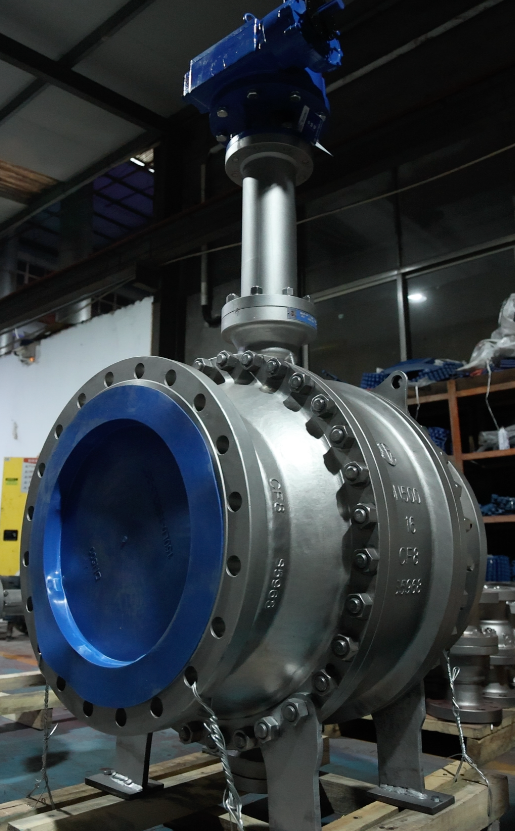
When engineers tackle cryogenic applications, they face unique challenges that demand a meticulous approach to valve design. Unlike standard valves, those operating in extremely low temperatures—often below -150°C—must account for material brittleness, thermal shrinkage, and potential leakage risks. Every component, from the body to the stem, needs to withstand the harsh environment without compromising performance. It's not just about picking a valve; it's about crafting a solution that can handle the cold while maintaining reliability over time.
Material selection becomes a critical factor here, as common metals might become too fragile under cryogenic conditions. Special alloys or stainless steels with low-temperature toughness are often chosen to prevent cracking or failure. Additionally, the sealing mechanisms need extra attention; traditional gaskets might not hold up, so designs often incorporate soft seats or metal-to-metal seals that adapt to temperature fluctuations. This focus on durability ensures that the valve doesn't just work initially but continues to perform in demanding settings like LNG plants or aerospace systems.
Beyond materials, the overall design must prioritize thermal management to minimize heat transfer and prevent ice formation, which could jam the valve. Features like extended bonnets or insulation help keep the operating parts at a stable temperature, reducing the risk of operational issues. Each decision, from the type of actuation to the maintenance strategy, plays a part in creating a valve that excels in cryogenic environments. By addressing these considerations upfront, manufacturers can deliver solutions that offer not only efficiency but also peace of mind in critical applications.
Material Selection and Durability in Extreme Temperature Environments
When designing components for extreme temperature environments, material selection isn't just a technical checkbox—it's the cornerstone of long-term performance. Engineers must consider how materials behave under thermal stress, from cryogenic conditions to scorching heat. Metals like titanium or specialized alloys often excel in these scenarios due to their thermal stability and resistance to deformation. However, it's not just about picking a high-temperature material; factors like thermal expansion coefficients and fatigue life under cyclic heating and cooling play critical roles. For instance, in aerospace applications, materials must withstand rapid temperature shifts without compromising structural integrity, making advanced composites and ceramics increasingly popular choices.
Durability in such harsh conditions extends beyond initial material properties to how components interact with their surroundings. Corrosion resistance becomes paramount, especially in environments with temperature-induced chemical reactions or moisture. Coatings and surface treatments can enhance durability, but they must be compatible with the base material's thermal characteristics. Real-world testing often reveals unexpected challenges, like micro-cracking from repeated thermal cycling, which demands a holistic approach to design. By simulating extreme temperature scenarios early in the development process, teams can identify potential failure points and optimize materials for resilience, ensuring that products don't just survive but thrive in demanding settings.
Innovation in this field is driving the adoption of smart materials that adapt to temperature changes, offering self-healing capabilities or phase transitions to maintain functionality. As industries push into more extreme environments, such as deep-space exploration or high-temperature industrial processes, the focus shifts to sustainable and cost-effective solutions. Balancing performance with practical constraints requires a nuanced understanding of material science, where even small adjustments in composition can lead to significant durability improvements. Ultimately, successful material selection hinges on a deep dive into both the theoretical and applied aspects, crafting solutions that are as robust as they are tailored to specific thermal challenges.
Streamlined Manufacturing Processes for Tailored Valve Applications
In manufacturing tailored valves, we focus on streamlining processes to enhance efficiency without compromising customization. This approach integrates advanced design tools with flexible production lines, allowing rapid adaptation to specific client needs while reducing waste and lead times. By adopting lean methodologies, we ensure each valve is crafted with precision, from initial concept to final assembly, fostering a seamless workflow that supports both small batches and large-scale orders.
Key innovations include the use of computer-aided engineering for virtual prototyping, which accelerates testing and refinement phases. This enables quick adjustments to valve specs based on real-world data, minimizing manual errors and optimizing resource allocation. Coupled with automated machining and real-time monitoring systems, our processes maintain high-quality standards across diverse applications, such as industrial pipelines or specialized medical devices, ensuring reliability in critical environments.
Ultimately, our streamlined approach not only boosts productivity but also enhances collaboration with clients through transparent communication channels. This fosters tailored solutions that meet exacting requirements, driving innovation in valve technology and positioning us as a leader in responsive manufacturing for niche markets. Each step is designed to deliver cost-effective, durable valves that excel in performance and adaptability.
Real-World Applications and Case Studies of Bespoke Cryogenic Valves
In aerospace engineering, bespoke cryogenic valves are pivotal for managing liquid oxygen and hydrogen in rocket propulsion systems. Custom designs ensure precise flow control under extreme temperatures, enhancing safety and efficiency in missions like those of SpaceX and NASA, where standard valves might fail due to thermal stress.
The medical industry leverages these valves in cryogenic storage for biological samples and stem cells, where reliability is critical. Case studies from biobanks highlight how tailored valves minimize contamination risks and maintain ultra-low temperatures, supporting breakthroughs in regenerative medicine and long-term preservation.
In energy sectors, bespoke cryogenic valves optimize liquefied natural gas (LNG) transport and storage, with real-world applications in facilities like Qatar's gas plants. Custom solutions address unique challenges such as rapid pressure changes, demonstrating improved durability and cost savings compared to off-the-shelf alternatives.
Ensuring Reliability and Safety in Custom Valve Integration and Maintenance
Integrating custom valves into industrial systems demands a meticulous approach to guarantee both reliability and safety from the outset. This process begins with a thorough analysis of the specific operational environment, including factors like pressure ranges, temperature extremes, and the chemical properties of the fluids handled. By tailoring valve design to these unique conditions, engineers can preempt potential failures, ensuring that the valve not only fits mechanically but also performs optimally under real-world stresses. Collaboration between manufacturers and end-users during this phase is crucial, as it allows for adjustments based on practical insights, reducing the risk of costly downtime or hazardous incidents later on.
Beyond initial integration, ongoing maintenance plays a pivotal role in sustaining valve reliability over time. Implementing a proactive maintenance schedule—rooted in regular inspections and predictive diagnostics—helps detect wear and tear before it escalates into a major issue. For instance, techniques like vibration analysis or thermal imaging can identify subtle changes in valve behavior, signaling the need for timely repairs or part replacements. This not only extends the valve's service life but also minimizes unexpected shutdowns, which are often a source of safety concerns in high-stakes settings such as chemical plants or power generation facilities.
To stand out in a crowded field, companies focusing on custom valve solutions should emphasize transparency and adaptability in their practices. Rather than relying on generic checklists, they might adopt case-specific protocols that document each valve's history and performance metrics, fostering a culture of continuous improvement. By integrating feedback from field operators into maintenance routines, these approaches ensure that safety measures evolve alongside technological advancements, making the entire system more resilient and trustworthy in the long run.
FAQ
Bespoke cryogenic ball valves are tailored to specific applications with unique materials and designs for extreme low-temperature environments, unlike standard valves that may have generic specifications unsuitable for specialized needs.
Custom solutions allow for precise engineering of valve components, such as optimized sealing and insulation, ensuring reliable operation and minimal heat leakage in demanding cryogenic settings like LNG processing or aerospace.
Key factors include selecting advanced materials like stainless steel or alloys resistant to thermal contraction, incorporating robust sealing mechanisms, and adhering to stringent industry standards like ASME B16.34 for pressure integrity.
They are vital in industries such as liquefied natural gas (LNG), medical gas storage, and scientific research, where precise temperature control and leak prevention are crucial for operational efficiency and safety.
The process starts with a detailed client consultation to define requirements, followed by design modeling, material sourcing, precision machining, rigorous testing (e.g., cryogenic cycling), and final quality assurance before delivery.
Customization tackles issues like thermal stress, compatibility with specific fluids, and space constraints, leading to improved valve longevity, reduced maintenance costs, and enhanced system reliability for users.
Technological innovations, such as computer-aided design (CAD) and additive manufacturing, enable more complex geometries and faster prototyping, allowing for higher precision and customization in valve production.
Conclusion
The guide comprehensively explores bespoke cryogenic ball valves through precision engineering and custom manufacturing solutions. It delves into the intricate design and material selection required for extreme temperature environments, emphasizing durability and high-performance. Real-world applications demonstrate how tailored valves meet specific industrial needs, while streamlined processes ensure efficient production.
Key considerations include reliability and safety in integration and maintenance, supported by case studies that highlight practical implementations. This guide serves as an essential resource for understanding custom cryogenic valves, offering insights into advanced engineering and innovative solutions for challenging operational conditions.
Contact Us
Contact Person: Lucas Lin
Email: [email protected]
Tel/WhatsApp: 8613968913000
Website: https://www.zhengmaogroup.com