

Running Socks Factory: The Art of Performance Footwear
2026-05-09
In the world of running, every detail matters—from your stride to the socks you wear. But not all socks are created equal; some are crafted with an artist's precision to enhance performance and comfort. Enter Mingjun, a dedicated running socks factory that transforms high-tech yarns into functional masterpieces. Behind every pair lies a story of innovation, rigorous testing, and a deep understanding of what athletes truly need. This blog peels back the curtain on how performance footwear is elevated from simple accessory to a game-changing gear.
Crafting Comfort: Inside the Running Socks Factory
Step onto the production floor and the first thing you notice is the quiet hum of precision knitting machines, each one calibrated to spin moisture-wicking yarns with a softness that feels more like a second skin than athletic gear. Here, every pair of socks begins with a deliberate conversation between fiber engineers and seasoned artisans who obsess over the architecture of a toe seam—mapping out cushioning zones that absorb impact exactly where runners need them, while keeping the arch snug without feeling restrictive. It’s an alchemy of materials and mechanics, tested through countless prototypes until the blend of nylon, merino, and elastane yields a fabric that breathes through long miles and stays featherlight even when drenched in sweat.
Down the line, you’ll see a final inspector running her fingers along a freshly knitted sock, searching for any whisper of a rough edge that might betray a runner’s trust on a 20-mile training run. The finishing room isn’t just about quality checks—it’s where each pair is steamed and shaped over custom foot models, locking in a three-dimensional fit that mirrors the natural curve of a foot in motion. Even the packaging gets a thoughtful touch, folded to preserve the sock’s contour rather than flattening it into something generic. It’s these small, stubborn details, born from feedback loops with ultra-marathoners and weekend joggers alike, that turn a simple sock into a silent partner on every stride.
Materials Matter: The Science of Moisture-Wicking Fabrics
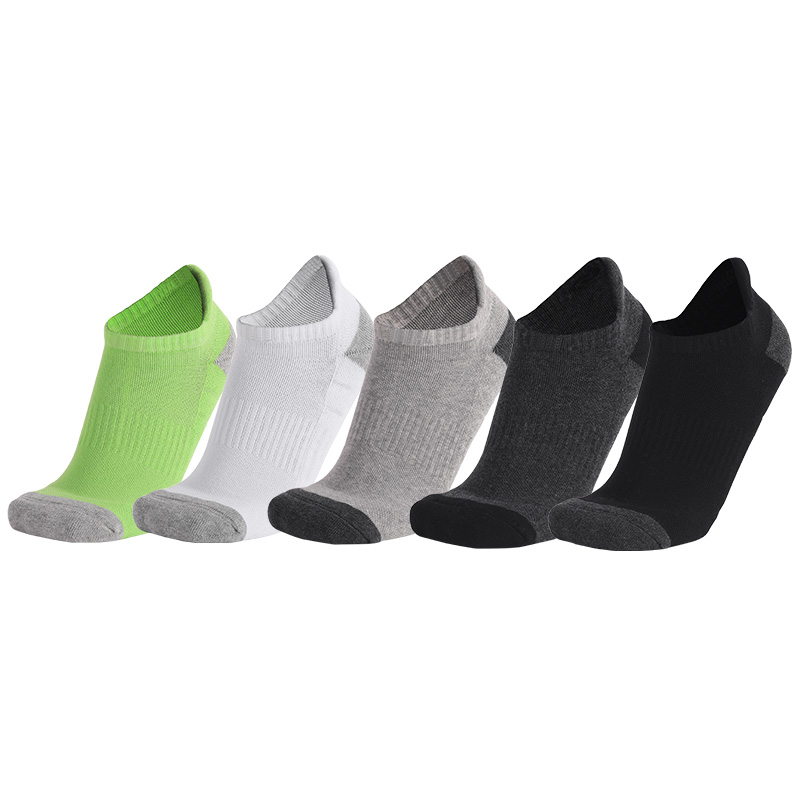
At the heart of every high-performance garment lies a delicate interplay of fiber engineering and physical chemistry. Moisture-wicking fabrics don't simply repel water—they actively pull perspiration away from the skin, spreading it across a larger surface area to accelerate evaporation. This capillary action, often compared to the way a paper towel soaks up a spill, is driven by microscopically engineered channels and hydrophilic treatments that transform even synthetic polymers into conduits for sweat. The result is a cooling effect that keeps athletes dry, comfortable, and focused, all without the clammy cling of ordinary cotton.
The true magic unfolds in the structure of the yarn itself. Unlike traditional textiles that rely on absorbency, modern wicking materials use a combination of hydrophobic fibers and specialized cross-sections—think grooved, trilobal, or hollow filaments—that create a permanent network of micro-capillaries. These pathways leverage surface tension to move moisture relentlessly outward, while a subtle gradient in fiber density ensures one-way transport away from the body. It's a feat of materials science that often goes unnoticed, yet it transforms a basic polyester into something that breathes, adapts, and nearly vanishes against the skin during intense exertion.
Crucially, the performance of these fabrics isn't limited to the gym. Advances in textile finishing have introduced durable, plant-based wicking agents and plasma treatments that mimic the lotus leaf's self-cleaning properties, all while leaving behind no chemical residue. Even the weave pattern matters: a jacquard or piqué knit can enhance airflow, creating micro-pockets of ventilation that work in tandem with moisture transport. From marathon runners to mountain guides, the people who rely on these materials know the difference is visceral—a dry lightness that feels less like wearing fabric and more like a second, smarter skin.
Design Meets Durability: Reinventing the Heel and Toe
Traditional footwear often forces a choice: you either get a stylish heel and toe that wear down quickly, or a rugged pair that looks clunky. We tossed that rulebook. By layering high-density rubber compounds around the strike zones, we’ve crafted a heel and toe that absorb shock relentlessly while keeping a sleek profile.
It’s the kind of detail you don’t notice until you’ve walked five miles and your feet still feel fresh. The reinforced toe cap doesn’t just guard against scuffs—it’s shaped to follow the natural bend of your foot, so there’s no stiff break-in period. The heel counter hugs without digging, thanks to a memory foam collar that adapts over time.
We tested these across concrete, gravel, and wet tile because what looks good on paper means nothing if it fails on a rainy Tuesday. The result is a fusion that doesn’t advertise its toughness—it just lasts, quietly, while turning heads.
From Loom to Foot: The Journey of a Performance Sock
Every performance sock begins its life as raw fiber, chosen not for comfort alone but for endurance under pressure. Merino wool, nylon, and elastane are spun and plied in precise ratios, then fed into circular knitting machines that transform yarn into a seamless tube. Here, the real engineering happens: zones of cushioning are programmed into the knit, ventilation channels open where the foot sweats most, and graduated compression is built into the arch. It’s not merely weaving—it’s mapping the foot’s anatomy into textile form.
Once off the loom, the sock enters a finishing phase where heat and steam set the shape, locking in the stretch and recovery that prevent sagging mid-run. Specialized boarding molds give it a heel pocket that actually fits, not the flat universal curve found in generic pairs. Silicone grip patterns and anti-blister yarns might be added during this stage, turning a simple sock into a tool for athletes who demand every advantage. The result is a sock that already knows how it will move before it ever touches skin.
From the factory floor, it travels to the foot, but the journey doesn’t end there. A performance sock is designed to adapt with use—moisture-wicking properties activate when sweat hits, thermal regulation adjusts to temperature swings, and strategic padding protects only where needed. It’s a product that truly comes alive in motion, proving that the distance from loom to foot isn’t just about manufacturing, but about the transformation of fiber into a dynamic part of the athlete’s body.
Anatomy of a Stride: How Cushioning Shapes Your Run
When your foot hits the ground during a run, a complex chain of events unfolds, and cushioning is at the heart of it. The initial contact—whether with the heel, midfoot, or forefoot—sends a shockwave up your leg. Modern cushioning systems are designed to manage this impact, absorbing and dispersing energy to reduce stress on joints. But it's not just about soft landings; the materials and geometry of the midsole influence how quickly you transition to the next stride. A well-tuned cushion lets you sink just enough to feel protected, then springs you forward with a controlled rebound, turning impact into momentum.
Beyond basic shock absorption, cushioning shapes your running form in subtle yet powerful ways. Thicker, plusher foams can encourage a lazier foot strike, while firmer, responsive setups promote a more active, springy push-off. The alignment of the shoe—how the cushioning is sculpted under the arch and heel—affects pronation and overall stability. Some runners find that overly soft shoes force their ankles to work double-time to stay balanced, while a slightly denser ride provides a reassuring sense of ground connection. It’s this delicate balance between comfort and control that defines every stride, influencing efficiency and fatigue.
Cushioning also evolves with your pace and surface. A shoe that feels marshmallowy at a jog might become mushy and unresponsive at tempo runs, while a race-day shoe with a propulsive plate relies on its foam to both cushion and snap back quickly. The way cushioning compresses and rebounds dictates your rhythm—too much lag and you waste energy, too little and your muscles bear the brunt. Ultimately, understanding how your shoe’s cushioning interacts with your foot strike, cadence, and the road ahead turns a generic run into a finely tailored experience, where each stride feels intentional rather than merely endured.
Beyond the Threads: Customization and the Modern Athlete
These days, athletic apparel is far more than just fabric stitched together—it's a statement of identity. Players no longer settle for off-the-rack uniforms; they demand gear that feels like an extension of themselves, from personalized fits that accommodate unique body shapes to colorways that reflect personal style or cultural roots. This shift toward deep customization doesn't just boost comfort; it fosters a sense of ownership and confidence that can directly impact performance when it matters most.
The modern athlete sees customization as a non-negotiable edge. It's not about mass-produced logs or generic templates anymore. Think 3D-knitted shoes tailored to an individual's gait, jerseys with thermo-mapped ventilation zones, and biometric data integration that adjusts compression levels mid-game. This level of detail blurs the line between wearer and gear, creating a symbiotic relationship where the kit actively responds to the body's cues. For the athlete, this means fewer distractions and a profound sense of being understood by what they wear.
Beyond physical performance, customization rewrites the emotional narrative of sport. When a player steps onto the field in something that bears their story—a tribute to a hometown, a pattern that honors a mentor, or simply a fit that finally makes them feel seen—the psychological uplift is tangible. It turns apparel into armor, embedding memory and motivation into every fiber. In a world where every millimeter and millisecond counts, that emotional connection can be the quiet catalyst for greatness.
FAQ
We view each pair not just as a commodity, but as a carefully crafted piece that balances form, function, and the human motion. It's about treating every stitch like a brushstroke in a larger picture of athletic excellence.
It starts with anatomical mapping and pressure point analysis. We use gradient compression, moisture-wicking yarns, and seamless toe closures to reduce fatigue and blistering, so runners can focus on their stride.
We primarily use a blend of technical fibers like Coolmax, Merino wool, and nylon-reinforced soles for durability and comfort. Each material is chosen for its specific job—cooling, cushioning, or support.
It's a hybrid. Sophisticated knitting machines bring precision, but human hands still oversee quality, finish seams, and package each pair. The art lies in that human touch.
Absolutely. We collaborate with clubs to create unique patterns, logos, and even performance profiles tailored to their typical race conditions. It's like a bespoke suit for feet.
We have a wear-test program with local runners who log hundreds of miles. Coupled with simulated abrasion tests in the lab, we track metrics like pilling, stretch recovery, and seam integrity.
We're moving toward recycled polyester and organic cotton sources. Scrap yarn is repurposed into cleaning cloths, and we've cut water usage by 30% in our dyeing process.
It's about translating biomechanics into a textile. The arch support, heel pocket, and ventilation zones are placed with the same deliberation a sculptor uses—removing material where it's not needed, adding where it is.
Conclusion
Stepping into a running socks factory reveals a world where every stitch is intentional, blending advanced material science with the rhythm of the runner’s foot. The process begins deep in the supply chain, selecting fibers like merino wool and recycled polyester, engineered for moisture-wicking precision to keep feet dry mile after mile. On the factory floor, circular knitting machines transform these yarns into seamless tubes, incorporating targeted cushioning zones that mimic the natural anatomy of a stride. Heel and toe reinforcements emerge not as afterthoughts but as design statements—using high-tenacity threads and subtle sculpting to combat wear without sacrificing the glove-like fit modern athletes crave.
The journey from loom to foot is a dialogue between durability and sensation, with each pair passing through rigorous stretch and abrasion tests that mirror the demands of road and trail. Cushioning becomes a strategic map, placing plush zones where impact peaks, while thinner channels allow for breathability and proprioception. Beyond mere production, customization enters the picture: laser-etched grips, pressure-mapped insoles, and bespoke tension patterns reflect a shift toward the athlete as co-creator. This factory is less a production line and more a laboratory of performance, quietly shaping how we experience every step.
Contact Us
Contact Person: Tiga
Email: [email protected]
Tel/WhatsApp: 8613058331729
Website: https://www.china-socksfactory.com/