

Rotary Concrete Reclaimer Supplier Guide for Smarter Equipment Investments
2026-08-15
Most concrete reclaimer purchases fail before the first spin. Not because the equipment is bad, but because the supplier choice was an afterthought. A rotary reclaimer is a long-term bet on your plant's efficiency—and picking the right partner matters more than spec sheets. That's where Sinou comes in: a supplier that treats your investment like its own. Here's how to evaluate your options without getting buried in brochures.
What Most Buyers Miss When Comparing Rotary Reclaimer Quotes
At first glance, most buyers line up quotes by rated tonnes per hour and sticker price. That comparison falls apart once the material changes. A rotary reclaimer that handles dry, free-flowing limestone may struggle with wet clay or sticky bauxite, yet vendors rarely volunteer that their capacity figures assume ideal moisture and particle size. Ask each supplier to state the exact material conditions behind their throughput claim—if they cannot, the lower-cost quote probably will not hold up on your stockpile.
Wear parts are another blind spot. The initial quote shows the machine, but not what it costs to keep the cutting teeth, scraper blades, and drive chain alive for five years. Some designs make you remove the entire boom to reach a failed bearing; others let you swap a cartridge from a platform. Request a breakdown of wear item prices, expected replacement intervals, and the estimated labor hours for each major service task. A quote that is ten percent cheaper can easily cost twice as much by the third overhaul.
Drive and controls get overlooked because they do not show up on the outline drawing. Compare motor service factor, gearbox thermal rating, and whether a soft starter or VFD is included. If the reclaimer runs 24/7, a standard-duty drive will cook itself within a few seasons. Also check what comes standard for automation—some suppliers only quote the bare machine, leaving you to pay extra for load sensors, bearing temperature monitors, or a PLC handshake with your existing stacker. Those omissions turn a comparable price into a much larger project.
Hidden Costs That Decide Whether Your Reclaimer Actually Pays Off
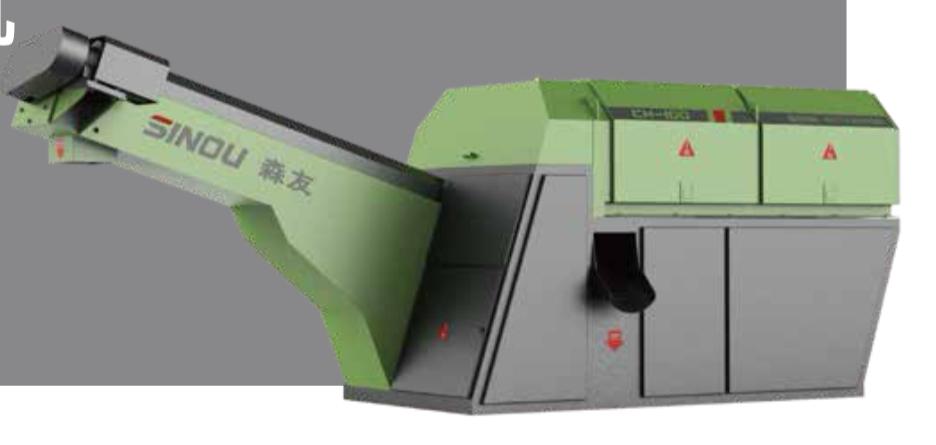
Most buyers fixate on the sticker price, but the real economics of a reclaimer live in the line items nobody prints on the brochure. Energy draw during idle periods, wear-part replacement intervals, and the labour hours needed for routine clean-outs can quietly erode the margin you thought you had locked in. A unit that costs ten percent less upfront might consume twenty percent more power over a shift, and that gap compounds with every day the machine sits waiting for the next batch.
Then there are the costs that don't appear on any invoice until something breaks. Downtime triggered by a failed bearing or a clogged screen isn't just a repair bill—it's lost throughput, rescheduled trucks, and overtime wages to catch up. Smart operators track cost per tonne reclaimed, not purchase price, and they ask suppliers for logged data on failure rates and typical service intervals before signing anything.
Finally, consider the hidden cost of inflexibility. If your reclaimer can't handle a slight change in feed moisture or aggregate size without jamming, you'll pay for it in slow starts, partial batches, and extra passes. The machines that pay off are the ones that tolerate real-world variability without demanding a technician on speed dial. That kind of resilience rarely shows up in a spec sheet, but it shows up on the P&L every month.
Supplier Red Flags You Can Catch Before Signing the Contract
Most suppliers will talk a good game during the pitch, but the real story shows up in the details long before ink touches paper. One early tell is a pattern of vague answers around lead times and capacity. If you ask how they handle a sudden 30% order spike and they dodge with “we’ll figure it out,” that’s not flexibility — it’s a lack of planning. Compare that against suppliers who can walk you through their scheduling buffer, backup raw material sources, and past examples of scaling up. The latter might still fail, but at least they’ve thought past the first invoice.
Another sign worth noticing is how they treat references and site visits. A confident partner with nothing to hide will offer current customers you can actually talk to, not just a glossy PDF of testimonials. If they hesitate on a factory tour, or keep “rescheduling” the warehouse walkthrough, pay attention. That hesitation often points to quality control corners being cut, or worse — they’re brokering work they can’t fully control. You’re not being difficult by asking to see the floor where your goods will be made; you’re doing the due diligence the contract itself can’t enforce after the fact.
Watch also for mismatched incentives hiding in the fine print. Some suppliers will push a short payment window while offering no penalty clause for late delivery on their end, or insist on a minimum order quantity that quietly locks you into overstock. That asymmetry isn’t accidental — it tells you where their cash flow pressure sits and how they’ll behave when demand shifts. A fair agreement should hurt both sides equally when something goes wrong, and if it doesn’t, treat that imbalance as the loudest red flag in the room.
Why the Cheapest Rotary Reclaimer Often Ends Up the Most Expensive
The apparent savings from a low-cost rotary reclaimer evaporate quickly once you factor in the wear on critical components. Budget manufacturers often cut corners on bearings, seals, and drive motors—the exact parts that determine uptime. Within months, you're dealing with unplanned stoppages, and each hour of downtime can wipe out whatever you saved on the purchase price. Maintenance crews start spending more time on emergency repairs than on planned upkeep, and the machine's availability drops well below what the datasheet promised.
Beyond breakdowns, a cheap reclaimer tends to be unforgiving when real-world conditions differ from ideal specifications. Slight variations in material density, moisture content, or pile geometry can push the machine outside its narrow operating window. Operators compensate by slowing feed rates or making constant manual adjustments, which means you never achieve the rated throughput. The extra energy consumption and labor hours add up silently—often going unnoticed in daily reports until someone compares the annual operating cost against a more robust unit.
Then there's the spare parts trap. Smaller or less reputable suppliers frequently use non-standard components or custom dimensions that are difficult to source. When something breaks, you could wait weeks for a replacement while the whole material handling line sits idle. A quality reclaimer may cost more upfront, but standardized parts, local service support, and better resale value make the total cost of ownership far lower. After a few years of fighting the cheap machine, most plant managers realize they've paid the premium several times over—just not on the original invoice.
Questions That Separate Equipment Experts from Order Takers
Anyone can read a spec sheet and rattle off lead times. What separates a genuine equipment expert is a refusal to stop at the first answer. Instead of asking “How many do you need?” they ask “What’s the ambient temperature at the install site?” or “Are your operators trained on lockout/tagout?” These questions reveal whether the equipment will actually survive in your plant, not just on paper.
Order takers treat every request as a transaction—part number in, quote out. But experts probe the gaps between what you asked for and what you actually need. They’ll ask about voltage fluctuations, vibration from nearby presses, dust or washdown requirements, and whether your existing control system uses Modbus or Profinet. The answers often change the recommendation entirely, sometimes saving you from buying a machine that would fail within six months.
The best questions uncover hidden costs. An expert might ask “Who’s going to install and calibrate this unit?” or “What’s your planned preventive maintenance schedule?” Order takers don’t care because it’s not their problem. Experts know that a cheap component paired with expensive downtime is no bargain. Their questions are designed to expose the true cost of ownership—and that’s a conversation no order taker can have.
Match the Reclaimer to Your Mix Design, Not the Other Way Around
Too many paving crews settle for a reclaimer that forces them to adjust their mix design until it fits the machine’s limitations. That order is backwards. The mix design is the project’s fingerprint—aggregate gradation, binder content, moisture tolerance, and RAP percentages all reflect the road’s expected loads and climate. If the reclaimer can’t handle that specific combination without overheating, clogging, or leaving uncoated aggregate, no amount of tweaking the job-mix formula will recover the lost performance.
Start instead with the mix you actually need to place. Map out the gradation curve, binder viscosity, and the percentage of recycled material before you compare reclaimers. Then look for a machine that can maintain consistent material temperature across that exact blend, keep the mixing chamber at the right residence time, and meter additives without surging. A reclaimer with adjustable rotor speed, variable discharge height, and precise liquid injection points will adapt to the mix, not the other way around.
This approach also changes how you evaluate a purchase or rental. Run a trial with your own production mix, not a generic demo blend. Watch how the reclaimer responds to changes in moisture and RAP feed rate. If you find yourself changing the mix design just to keep the equipment happy, you’re not solving the problem—you’re hiding it. Pick the reclaimer that proves it can hold your target gradation and binder content without forcing compromises.
FAQ
Spend time on the wear points. Ask about drum shell thickness, liner material, and whether the drive system is protected from slurry splash. A supplier who can show you a unit that has run for several years with the original drum is worth more than one offering a glossy catalog. Also check response time for spare parts—if they do not stock wear components locally, a small breakdown can stall your whole washout loop.
Bigger is not always better. A longer drum gives more separation time but can increase water carry-over if the incline is wrong. Diameter drives throughput, but the real bottleneck is usually the spray bar and aggregate removal rate. Match the drum to your truck return volume, not to the largest model the supplier sells. Ask for a mass balance calculation for your daily yardage.
Most failures start with neglect of the trunnion wheels and chain tension. Check the drum rides level, keep the spray nozzles clear, and inspect the flites for concrete buildup every week. Grease bearings only as the manual says—overgreasing pushes slurry into seals. A 15-minute visual check at shutdown beats a weekend teardown.
Yes, but not on its own. You need a settling pit or drag tank ahead of it to drop out coarse sand and rocks before the drum sees the water. Feed it a steady slurry, not a sudden surge of return concrete. If a supplier claims you can dump a full mixer drum directly into a rotary unit without pre-screening, walk away.
Look beyond the price tag. You will pay for water treatment chemistry, fines disposal, and the occasional replacement of screw tips or drum flites. Power draw matters too—some units need a larger breaker than the datasheet suggests. Ask for a one-year wear parts list with prices, not percentages. That tells you what the second year will really cost.
A solid supplier asks about where your trucks queue, where the nearest drain is, and whether you have room for an aggregate stack. They should offer to visit or review a site sketch before quoting. If their first response is a standard proposal without questions, they are selling boxes, not solutions. The right supplier will point out a cheaper pump placement or a shorter slurry line without being asked.
Look for bolt-in flites instead of welded ones, a drum with a replaceable wear band at the entry end, and a spray pattern that keeps the inside walls washed before material dries. The drive should be shielded from slop and the drum supported on adjustable rollers so you can correct tracking drift. Small touches like a hinged inspection door make a difference when you are clearing a jam at 5 a.m.
Standardize the test conditions. Ask for the feed slump, water-cement ratio, and whether the stated yards per hour includes rinsing or just sand separation. A supplier quoting 20 cubic yards an hour with a 6-inch slump is not the same as one quoting 12 at a 2-inch slump. Request a video of the unit running on real return concrete, not clean aggregate and water.
Conclusion
Most buyers fixate on the sticker price and miss what actually separates one rotary concrete reclaimer from another. A low quote often leaves out critical variables like drum wear life, screen maintenance frequency, or how the unit handles returned concrete with high aggregate content. Those hidden costs—extra labor for unclogging, replacement parts that arrive slowly, or higher water consumption during washing—quietly determine whether the machine ever pays for itself. Supplier red flags usually appear early: vague delivery dates, reluctance to provide reference sites, or a spec sheet that lists only capacity and horsepower without explaining separation efficiency. The cheapest option can become the most expensive once you factor in downtime and the cost of hauling waste that should have been recovered.
The right questions reveal more than any brochure. Ask how the supplier calculates recovery rates for your specific mix design, whether they test with your aggregates, and what happens if the reclaimer struggles with high slump or fiber-reinforced returns. Equipment experts will discuss wear materials, actual washout cycle times, and realistic maintenance intervals instead of quoting generic throughput numbers. Matching the reclaimer to your mix design—not forcing your operation to adapt to the machine—is the core of a smarter investment. A supplier who listens to your plant’s real production patterns, advises on layout and water recycling goals, and admits when a smaller or larger unit makes more sense is worth far more than a low initial bid. That kind of guidance prevents the familiar trap of buying twice because you bought wrong the first time.
Contact Us
Contact Person: HaiYan
Email: [email protected]
Tel/WhatsApp: +86 18957325588
Website: https://www.senyoubeton.com/