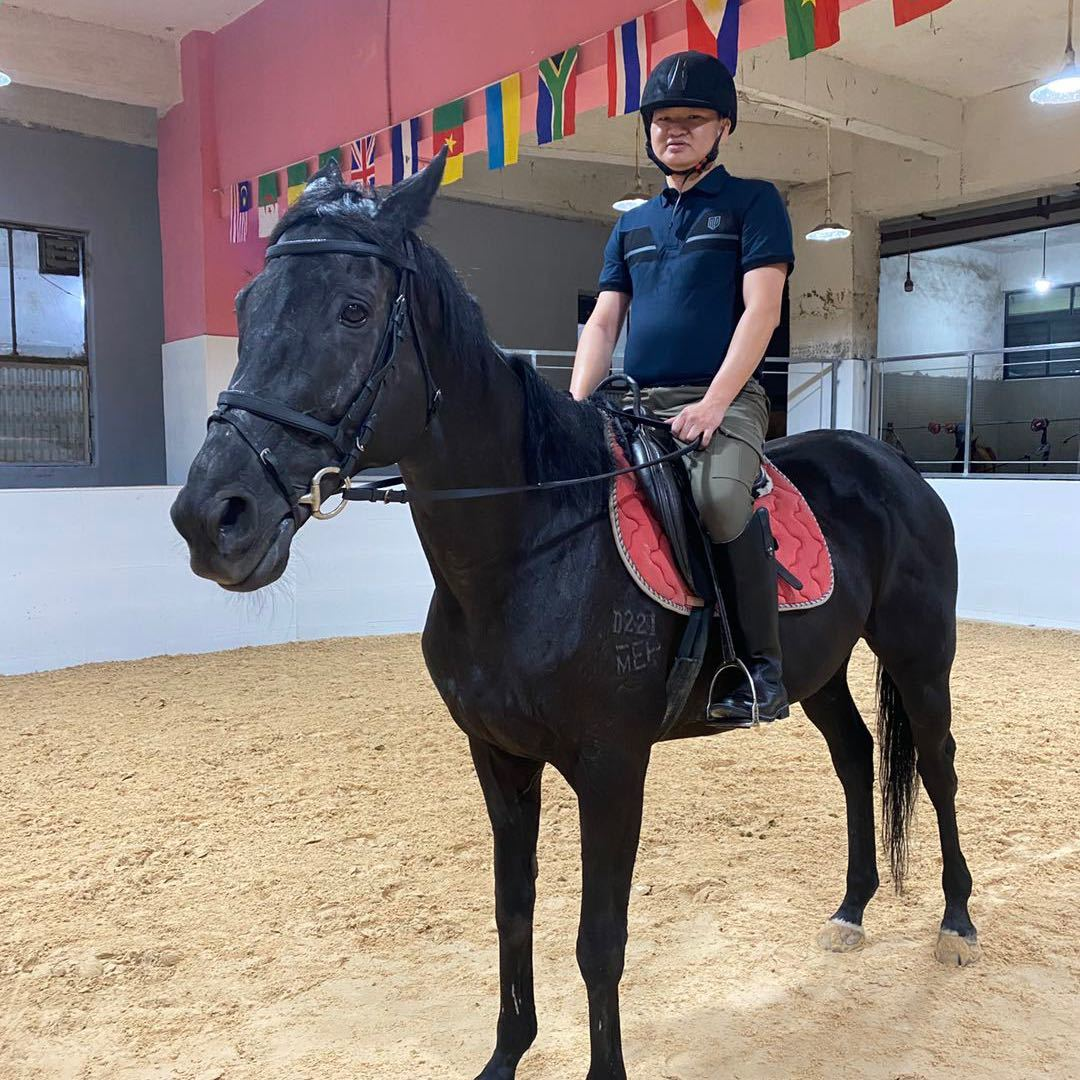

Riding Jodhpurs Export Guide for Equestrian Brands Going Global
2026-08-22
Most equestrian brands treat exporting riding jodhpurs as a simple logistics puzzle—until customs paperwork, sizing mismatches, and shifting regional standards turn a promising order into a margin-eating headache. This guide breaks down what actually separates brands that scale globally from those stuck in trial-and-error mode. At OpeEquestrian, we've learned that successful jodhpur exports rely on more than just quality fabric; they demand a clear-eyed view of fit expectations, compliance details, and partner vetting. If you're ready to move beyond domestic sales and tap into high-demand equestrian markets, the next few sections will give you a practical export roadmap—without the fluff.
Mapping Real Demand for Jodhpurs Outside Traditional Riding Markets
A walk through any major city reveals jodhpurs have quietly slipped off the saddle and onto the sidewalk. The tapered leg and reinforced knee, once purely functional for equestrians, now show up in street style blogs and boutique window displays. But actual purchase data tells a messier story: while visual interest is high, conversion rates bounce around depending on whether the product is framed as athletic wear, fashion statement, or nostalgic throwback.
Interviews with boutique owners in Berlin and Portland point to a split demand. Younger buyers gravitate toward low-rise cuts in technical fabrics for cycling and climbing, while an older segment seeks high-waisted, wool-blend versions that read as tailored trousers rather than sportswear. Neither group mentions horses. The real driver appears to be fit flexibility and the silhouette’s ability to bridge casual and semi-formal settings without the bulk of cargo or the stiffness of denim.
What complicates demand mapping is the shadow market of secondhand and vintage platforms. A significant share of non-riding interest never hits primary retail channels because consumers hunt down old equestrian brands on resale apps, valuing worn-in fabric and heritage labels over new inventory. This indicates latent demand that traditional retailers systematically underestimate, and it suggests that measuring real interest requires blending POS data with social listening and resale velocity rather than relying on store traffic alone.
Fit, Fabric, and Labeling Details That Prevent Costly Returns
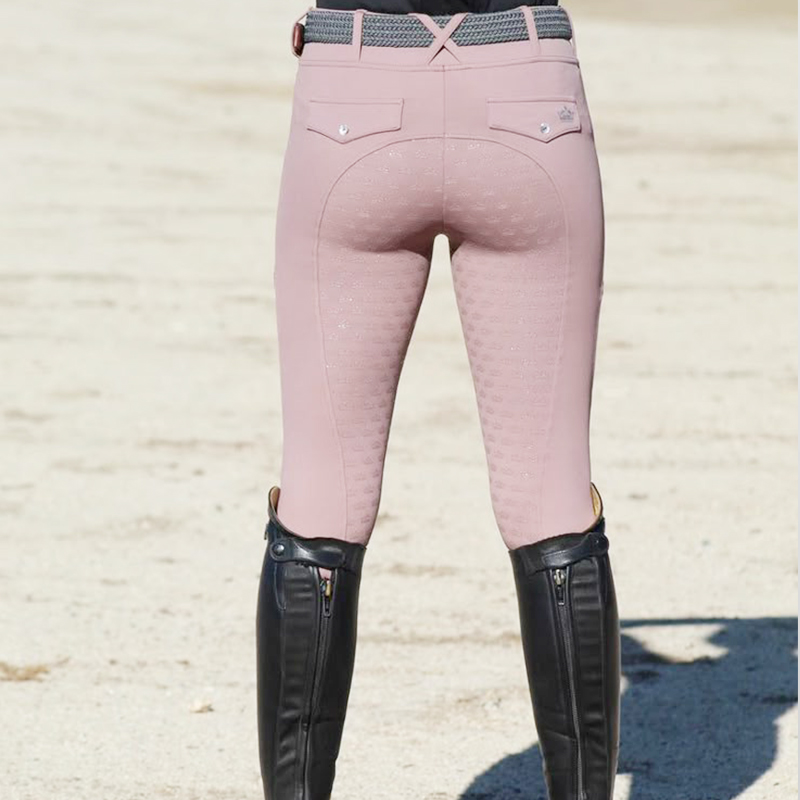
Returns often spike when a garment fits nothing like the size chart suggests. Instead of relying on vague "true to size" notes, include actual garment measurements for chest, waist, hip, and length on each product page, and explain how the fabric behaves—does it stretch after a few wears? Does it shrink in the first wash? That kind of detail sets realistic expectations before the box is opened.
Fabric choice is equally decisive. A stiff cotton poplin and a brushed jersey might both be labeled "cotton," but they drape and feel completely different. Mention the weight, weave, transparency, and any special finishes. If a fabric is prone to pilling or needs gentle care, say so plainly. Customers who know what they're buying are far less likely to send it back.
Labeling details are the last line of defense. Clear fiber content, country of origin, and care symbols help, but so do honest descriptions of color accuracy and trim materials. If the buttons are shell, if the lining is polyester, if the dye lot varies slightly—write it down. Small transparency here prevents the "not as described" returns that eat into margins.
Logistics That Keep Jodhpurs Moving Through International Checkpoints
Getting a pair of jodhpurs from a workshop in Jodhpur to a tack shop in Kentucky involves more than just a shipping label. The fabric blend—usually cotton with a touch of spandex—gets classified under a specific harmonized code, and a single mismatch can hold the whole carton at customs. We attach a fiber content tag and a country-of-origin statement to every pair before it leaves the cutting table, and our freight partner pre-files the entry documents two days ahead of the flight. That way, when the shipment reaches Frankfurt or Cincinnati, the checkpoint scan reads the paperwork before the box even comes off the pallet.
Not all checkpoints are equal. A shipment bound for the EU needs a different set of declarations than one going to Australia, especially around dye chemicals and elastic trim. We split freight by destination—keeping a small customs broker on call for the occasional random inspection and using breathable polywrap instead of vacuum sealing, because compressed creases set into twill and are nearly impossible to steam out without damaging the knee patches. Air freight costs more, but it cuts the time in bonded storage, which matters when a riding season is about to start.
Pricing and Payment Terms That Work Across Equestrian Economies
A single price sheet rarely holds up from Kentucky to Normandy to the Cape. Some markets expect all-inclusive livery fees, while others separate hay, bedding, and farrier work line by line. Rather than forcing one model, use a core rate for board or training and then offer add-ons in the local currency. That way a dressage rider in Germany sees a price that matches her monthly budget, and a polo player in Argentina doesn't have to do mental math on a USD figure that ignores his market's rhythm.
Deposits and payment windows cause the most cross-border friction. In parts of the Middle East, a 30% booking deposit on a sales horse is normal; in New Zealand, many trainers invoice after the first week of work. Spell out your terms in both the local currency and a stable reference like EUR or USD at the time of booking, but avoid updating every day. State when the balance is due, what happens if a vet check fails, and how a refund is handled if a horse goes lame. That specificity cuts out more disputes than any 'final sale' warning ever will.
Choosing Distribution Partners Who Actually Understand Riders
A distributor with an impressive logistics network can still fail you if nobody on their team has ever thrown a leg over a bike. Riders don't just buy products; they buy into a culture of use, repair, and upgrade that only makes sense from the saddle. When vetting partners, skip the generic pitch deck and ask direct questions about their own riding habits, the shops they frequent, and how they handle warranty claims from a customer who just got caught in a downpour. If the conversation stalls at unit margins or shelf placement, you're talking to a box-mover, not a partner.
Look for distributors who stock spare parts that outlive the original sale, not just fast-moving accessories. A rider who strips a bolt on a Saturday morning needs a replacement by Tuesday, and a partner who doesn't grasp that urgency will quietly erode your brand's reputation. Pay attention to how they describe their customer base: do they talk about "end users" or do they mention the guy who commutes year-round on a single-speed? The latter knows that mud, road salt, and worn brake pads are not edge cases but daily realities.
Finally, test their curiosity. A distributor who understands riders will ask you about torque specs, frame materials, or why you chose a particular sealant over another—not because they need to, but because they actually care. That genuine interest translates into better product demos, smarter inventory choices, and a sales force that can answer a customer's question without reading from a script. If your partner can't tell you the difference between a tubeless setup and a tube-type tire, keep looking.
Keeping International Retailers Reordering After the First Shipment
Winning a first order from an overseas retailer is tough, but turning that single shipment into steady repeat business requires a different kind of focus. After the initial boxes arrive, many suppliers relax, assuming the product quality and pricing will carry the relationship. That gap in attention is exactly where reorder opportunities slip away. A practical approach starts with following up within days of delivery, not weeks, to ask about unpacking condition, shelf readiness, and any customs or packaging surprises. Retailers remember who checked in before problems became complaints.
Beyond the follow-up call, consistency in the second order matters more than the first. International buyers often test new suppliers with smaller volumes, then watch carefully for fluctuations in lead time, carton labeling, or product finish. Sharing a simple QC report from each production run, including photos of packing and loading, builds trust without overpromising. Adjusting minor details based on retailer feedback—such as barcode placement or inner pack count—shows you treat their shelf constraints as your own. These small corrections often cost little but make the difference between a one-off trial and a permanent slot in their supply chain.
Finally, make reordering frictionless. Offer flexible minimums for repeat orders, keep freight options transparent, and have inventory reserved for faster turnaround. If a retailer can reorder with two emails instead of a full negotiation cycle, they will. Proactively share upcoming production schedules and suggest order windows around their peak seasons. The goal is not to push more volume immediately, but to remove every possible reason a busy buyer might hesitate before clicking send on the next purchase order.
FAQ
Fabric composition documentation is usually the deciding factor. Many brands skip third-party lab reports for dye fastness and chemical content, then face delays when a shipment lands in the EU or Australia. Jodhpurs with silicone grip panels or coated zippers often trigger extra checks if the material safety data sheets are not attached. Keep a digital file that matches every component to its test certificate — outer shell, lining, elastic, zipper tape, and knee patch adhesive. Without that traceability, a single missing document can add two to three weeks at the port.
Germany, the Netherlands, and Sweden remain strong for technical everyday riding wear, especially among adult amateurs who train year-round. Australia and New Zealand import heavily due to limited domestic manufacturing, but they expect UV protection and breathable knee patches. The UAE and Saudi Arabia are smaller but growing for private-label competition wear, where darker colors and refined silhouettes dominate. North America continues to absorb mid-range jodhpurs through independent tack shops rather than big-box retailers, so do not overlook those smaller accounts.
UK riders often accept a closer calf and higher waist, while German and Dutch customers expect more room through the thigh without compromising grip. North American buyers lean toward a broader range of body shapes, so offering short, regular, and long inseams matters more there than in Europe. In Australia, riders frequently request a slightly lower rise and extra stretch in the knee area for long hours in the saddle. Sending samples to local fitters before finalizing a size chart prevents a painful round of returns.
Fiber content, country of origin, and care symbols are the baseline, but several regions add their own layers. The EU requires the full address of the manufacturer or importer, while the UK now expects the UKCA mark for certain textile products. Saudi Arabia often asks for a conformity certificate from an approved body. Ignoring bilingual labels is another common trap — Canada requires English and French, and some Gulf states want Arabic care instructions. Placing a simple interior label with all languages on one strip is cheaper than re-tagging at the border.
It comes down to chemical regulations. The EU restricts certain phthalates in synthetic grip compounds, and Norway and Switzerland sometimes align with stricter thresholds than the main EU list. The US has different rules under the CPSIA, particularly for children's sizes. Australia and New Zealand pay close attention to formaldehyde levels in coatings. Before committing to a new grip formula, ask the supplier for a test report against the destination region’s latest standards, not just an older generic certificate. That single step avoids entire container holds.
Partner with one dedicated distributor or a well-connected tack shop chain instead of trying to open multiple accounts at once. Give that partner regional exclusivity for a defined period, and support them with translated fit guides and quick replenishment stock. Attend one major trade event — Spoga Horse in Cologne works well for Europe, Equitana in Melbourne for Oceania — and run a private fitting session nearby. That personal contact converts far more reliably than cold outreach, and it gives you honest feedback on local preferences before you scale.
Split production into a core line that ships to all markets and a regional line reserved for local preferences. The core line includes the two best-selling dark tones and a neutral beige, using the same fabric across sizes. The regional line allows Australia to receive a lightweight summer version with extra UV protection, while Germany gets a brushed thermal option for winter. Set a low minimum order quantity for the regional capsule and replenish monthly based on sell-through reports from distributors. This keeps cash from being trapped in slow-moving sizes or colors.
Conclusion
Selling riding jodhpurs beyond traditional equestrian hubs starts with a ground-level check of who is actually buying. Demand often comes from unexpected places: urban riders in Asia who train on simulators, Western-style enthusiasts in the Middle East, or fashion-led consumers in Europe who never sit on a horse. Before committing to a market, study local size ranges, cultural preferences around tightness and rise, and what "riding pant" means locally. Small adjustments in fit—like adding stretch panels or changing knee patch placement—prevent the kind of returns that destroy margins. Labeling must be precise: fiber content, care instructions, and country of origin in the destination language, plus clear CE or UKCA marks where applicable. These details sound dull, but they keep packages out of customs holds and off discount racks.
Shipping jodhpurs across borders means pre-clearing paperwork so zippers and stretch fabrics don't trigger inspection delays. Work with forwarders who know textile import rules and can handle low-value e-commerce or bulk retail orders without surprise fees. Pricing needs to flex with local purchasing power—think about installment options in Latin America, VAT-inclusive tags for the EU, or tiered wholesale rates for distributors in Australia. Choose partners who ride or at least staff people who do; they will position the product honestly instead of just stocking it. After the first shipment, keep retailers reordering by sending fit kits, multilingual sizing charts, and fast replenishment on best-selling colors. A brand that treats export sales as a relationship, not a transaction, turns one container into repeat business.
Contact Us
Contact Person: Keven Tong
Email: [email protected]
Tel/WhatsApp: +86 18666477707
Website: https://www.ope-technology.com