

Powerful Low-Voltage Distribution Box Solutions for Modern Electrical Systems
2026-01-20
In today's rapidly advancing electrical landscape, the demand for reliable, efficient, and safe low-voltage distribution systems has never been greater. As modern facilities become increasingly complex, the right distribution box solutions can make all the difference in optimizing performance and ensuring uninterrupted power flow. At Lugao, we understand these challenges intimately and have engineered cutting-edge solutions that not only meet but exceed industry standards. This blog delves into how our powerful low-voltage distribution boxes are revolutionizing electrical systems, offering insights into their innovative features, benefits, and real-world applications. Whether you're an engineer, facility manager, or simply curious about electrical advancements, join us as we explore the future of distribution technology—where safety, efficiency, and reliability converge seamlessly.
Innovative Design Features in Low-Voltage Distribution Boxes
Modern low-voltage distribution boxes have evolved significantly, incorporating advanced materials like thermally resistant polymers that enhance durability while reducing weight. These enclosures often feature modular components, allowing for quick reconfiguration and maintenance without extensive downtime, making them ideal for dynamic industrial environments where space and flexibility are critical.
Another standout aspect is the integration of smart technologies, such as IoT sensors and real-time monitoring systems, which provide operators with detailed insights into energy consumption and fault detection. This proactive approach not only boosts efficiency but also minimizes risks by alerting users to potential issues before they escalate, ensuring a safer and more reliable power distribution network.
In addition, ergonomic designs have become a focal point, with features like color-coded wiring compartments and intuitive layouts that simplify installation and troubleshooting. By prioritizing user-friendly interfaces and sustainable materials, these innovations not only improve performance but also align with growing environmental standards, setting a new benchmark in the marketplace.
Enhancing Safety and Reliability in Electrical Systems
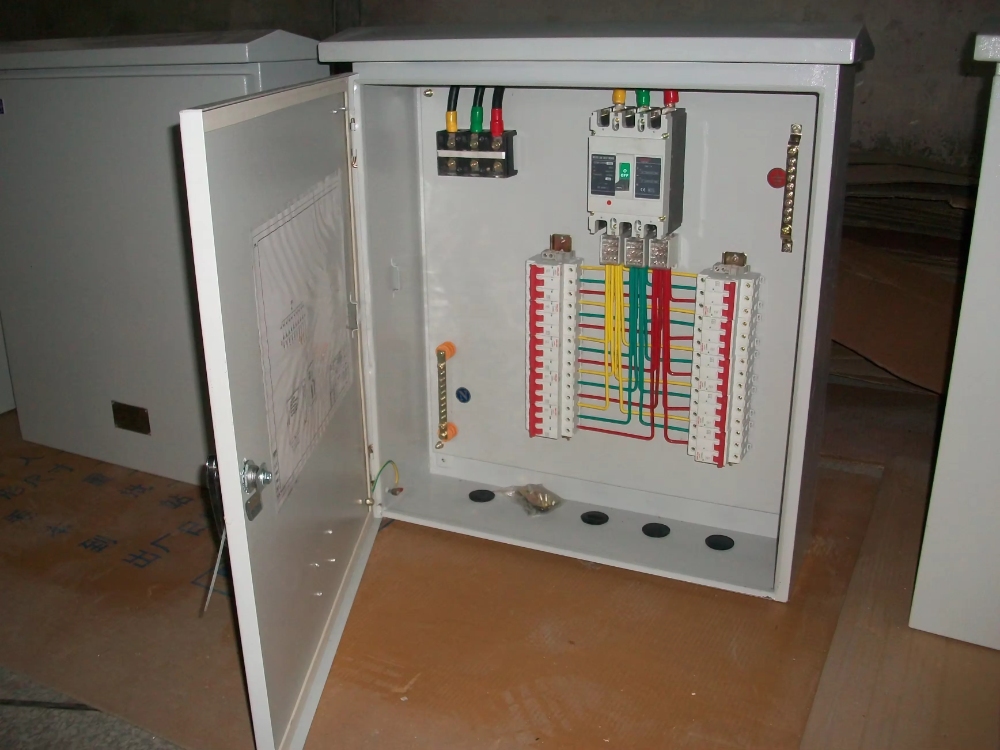
In today's interconnected world, electrical systems form the backbone of everything from homes and offices to critical infrastructure like hospitals and data centers. Enhancing safety and reliability in these systems isn't just about preventing accidents—it's about ensuring continuity in our daily lives and economic activities. Modern approaches often integrate advanced monitoring technologies, such as real-time sensors that detect anomalies like voltage fluctuations or overheating before they escalate into hazards. By proactively addressing potential issues, these systems reduce the risk of electrical fires, equipment damage, and power outages, thereby safeguarding both property and people.
Reliability, on the other hand, hinges on robust design and maintenance practices that minimize downtime and maximize performance. This includes using high-quality components engineered for durability, implementing redundancy in key circuits to prevent single points of failure, and adhering to rigorous testing standards during installation. For example, in industrial settings, regular thermal imaging scans can identify loose connections or overloaded components that might otherwise go unnoticed until a breakdown occurs. By focusing on prevention rather than reaction, stakeholders can achieve more stable power delivery and longer lifespans for electrical assets.
Ultimately, the synergy between safety and reliability drives innovation in the field, leading to smarter grids and adaptable systems that respond dynamically to changing demands. As renewable energy sources like solar and wind become more prevalent, integrating them safely requires sophisticated control systems that manage intermittent power flows without compromising stability. This evolving landscape underscores the importance of continuous improvement—through training for technicians, adoption of international safety codes, and research into new materials that enhance insulation and conductivity. By embracing these strategies, we build electrical networks that are not only safer and more dependable but also resilient enough to thrive in an increasingly electrified future.
Energy Efficiency and Sustainability Benefits
By prioritizing energy efficiency, we're not just trimming utility bills—we're actively reducing our environmental footprint. This approach integrates smart technology and thoughtful design to minimize waste, ensuring every watt of power is used effectively. It's a practical step toward sustainability that delivers immediate financial savings while supporting long-term ecological balance.
Beyond cost savings, these benefits foster a healthier ecosystem by cutting greenhouse gas emissions and conserving natural resources. Innovations like renewable energy integration and efficient materials help create resilient systems that adapt to changing needs without compromising performance. This holistic view transforms efficiency from a mere metric into a driver for positive environmental impact.
Embracing energy efficiency and sustainability also strengthens community and corporate responsibility, building trust through transparent, eco-conscious practices. It encourages innovation, spurring advancements that benefit both people and the planet, making it a cornerstone of modern, forward-thinking strategies.
Customizable Solutions for Diverse Applications
In today's dynamic market, one-size-fits-all approaches rarely cut it; that's why we focus on crafting solutions that can be tailored to meet the specific needs of various industries and use cases. Whether you're managing a logistics operation that requires seamless integration with existing systems or a healthcare facility needing specialized data handling, our platform adapts to your unique requirements. By offering modular components and flexible configurations, we empower clients to build exactly what they need without the constraints of rigid software.
Diversity in applications means that challenges vary widely—from scaling up a startup to optimizing processes in a large enterprise. We dive deep into understanding these nuances, collaborating closely with your team to develop custom features that address real-world problems. This hands-on approach ensures that our solutions aren't just technically sound but also practical and user-friendly, enhancing productivity and driving innovation across sectors like education, finance, and manufacturing.
Beyond mere adaptation, our customizable solutions evolve with your business, allowing for future upgrades and integrations as needs change. This flexibility fosters long-term partnerships and ensures that you're always equipped with tools that grow alongside your ambitions, making them a smart investment for any forward-thinking organization.
Seamless Integration with Smart Technologies
In today's interconnected world, smart technologies are reshaping how we interact with products and services. Our approach focuses on creating intuitive connections that feel natural, eliminating the complexities often associated with tech adoption. Rather than merely adding features, we weave these tools into the user experience, ensuring they enhance functionality without overwhelming the core purpose. This means devices and platforms work together smoothly, adapting to daily routines as if they were always part of the fabric of modern life. The result is a seamless flow where technology supports, rather than interrupts, allowing people to focus on what matters most to them.
What sets our integration apart is the deep-level compatibility we build from the ground up. Instead of relying on clunky workarounds or third-party plugins, we design systems that communicate effortlessly across different ecosystems. Think of it as a symphony where every instrument plays in harmony—our technologies sync data in real-time, anticipate needs through predictive analytics, and offer personalized adjustments without manual input. This proactive synergy not only boosts efficiency but also fosters a sense of reliability, as users can trust the system to handle tasks quietly in the background, making smart living feel less like a tech experiment and more like a natural extension of their capabilities.
Beyond mere functionality, our seamless integration prioritizes the human element, ensuring that technology empowers rather than complicates. By minimizing learning curves and avoiding jargon-heavy interfaces, we make advanced tools accessible to everyone, from tech enthusiasts to casual users. Our solutions blend into environments so subtly that they become virtually invisible, yet their impact is profound—streamlining workflows, enhancing safety, and enriching daily experiences. In a market flooded with gimmicks, we stand out by delivering genuine cohesion, where smart technologies don't just connect; they elevate, creating intuitive partnerships that evolve with user needs over time.
Future Trends and Adaptability in Power Management
Power management is evolving rapidly, with a noticeable shift towards intelligent and adaptive systems. Key trends include the integration of AI and machine learning to optimize energy consumption in real-time, enabling devices to learn usage patterns and adjust power distribution accordingly. This not only enhances efficiency but also reduces costs and environmental impact, making it a critical focus for industries ranging from consumer electronics to large-scale industrial applications.
Another significant trend is the rise of decentralized power solutions, such as microgrids and renewable energy sources, which require adaptable management strategies to handle variable inputs and ensure grid stability. These systems are designed with flexibility in mind, allowing for seamless integration of solar, wind, and battery storage, thus providing resilience against outages and supporting sustainable energy transitions.
Additionally, the emphasis on adaptability in power management involves developing platforms that can scale and reconfigure based on changing demands. For example, smart grids with IoT sensors monitor loads continuously, enabling dynamic adjustments to prevent overloads and improve reliability. This adaptability is crucial in a world where energy needs fluctuate, ensuring that power systems remain robust and future-proof.
FAQ
They serve as the central hub for safely managing and distributing electricity to various circuits, ensuring protection against overloads and short circuits while allowing for easy maintenance and upgrades in residential, commercial, and industrial settings.
Contemporary designs incorporate advanced features like arc fault detection, ground fault circuit interrupters (GFCIs), and fire-resistant materials, significantly reducing risks of electrical fires and shocks—key upgrades that older systems often lacked.
Opt for boxes with modular components for flexible expansion, smart monitoring capabilities via IoT integration, surge protection, and durable, corrosion-resistant enclosures that withstand harsh environments, boosting both functionality and longevity.
With rising energy costs and sustainability goals, these boxes now include components that minimize power loss, support renewable energy inputs, and enable precise load management, helping users cut down on waste and operational expenses.
Absolutely—manufacturers offer tailored solutions with features like remote control access, compatibility with automation systems, and scalable designs to meet unique demands, from residential solar setups to heavy machinery operations.
Regularly inspect for loose connections, clean dust buildup, test protective devices like breakers, and update firmware if smart-enabled; professional checks every few years can prevent failures and extend service life significantly.
Conclusion
Low-voltage distribution boxes have evolved to become powerful solutions tailored for contemporary electrical needs, emphasizing innovative designs that prioritize both functionality and space efficiency. Key features highlighted under "Innovative Design Features in Low-Voltage Distribution Boxes" include modular construction, enhanced thermal management, and user-friendly interfaces, which collectively improve operational simplicity while reducing installation time. These aspects are closely linked to "Enhancing Safety and Reliability in Electrical Systems," where robust enclosures, advanced protection mechanisms, and reliable circuit breakers ensure safe operation, minimizing risks like short circuits and overloads in diverse industrial or commercial settings. Additionally, the focus on "Energy Efficiency and Sustainability Benefits" drives the integration of components that reduce power losses and support eco-friendly practices, aligning with global trends toward resource conservation and lower environmental impact.
Modern low-voltage distribution boxes offer significant advantages through "Customizable Solutions for Diverse Applications," allowing for tailored configurations that meet specific requirements across residential, commercial, and industrial sectors, thereby enhancing versatility and adaptability. This flexibility is further amplified by "Seamless Integration with Smart Technologies," enabling connectivity with IoT devices, remote monitoring, and automated controls for real-time data analysis and predictive maintenance. Looking ahead, "Future Trends and Adaptability in Power Management" suggests that these solutions will continue to evolve, incorporating AI-driven analytics, renewable energy compatibility, and enhanced cybersecurity measures to address emerging challenges. Overall, powerful low-voltage distribution boxes represent a comprehensive approach, merging innovation, safety, efficiency, and technological integration to deliver robust and forward-looking electrical system solutions in today's dynamic environment.
Contact Us
Contact Person: Doreen
Email: [email protected]
Tel/WhatsApp: 8618057712366
Website: https://www.liugaopower.com/