

Oil-Free Air Blowers: Top 10 Picks for Clean, Silent Operation
2026-07-11
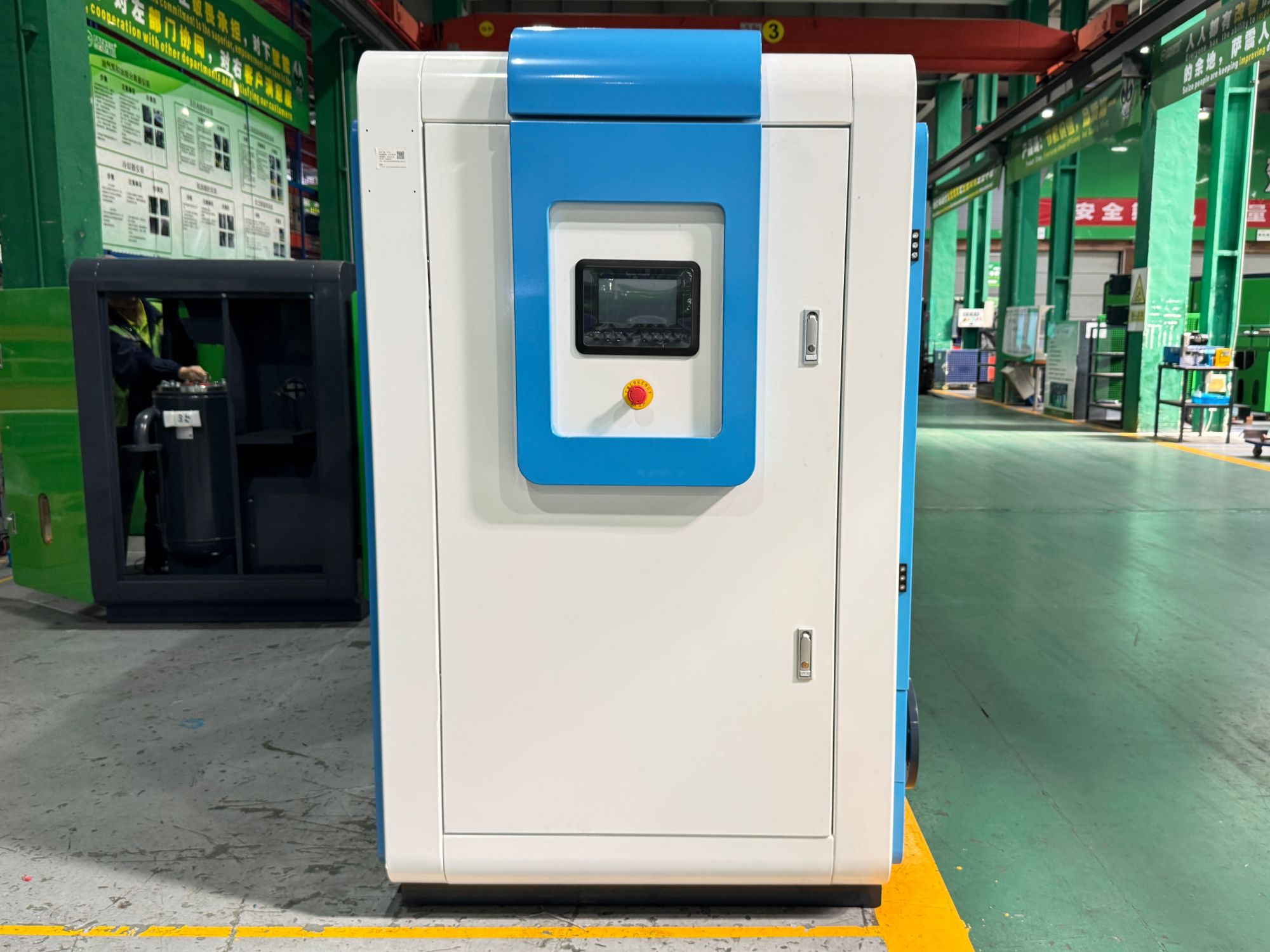
When it comes to clean, silent air delivery, oil-free air blowers have become the go-to solution for industries demanding purity and peace. Whether you're setting up a medical lab or running a food packaging line, the right blower can transform your workflow—and the noise levels around it. In this post, we’re diving into the top 10 oil-free air blowers that nail both smooth operation and whisper-quiet performance. Along the way, you’ll discover why brands like Seize Air are making waves with their cutting-edge efficiency and near-silent designs. Get ready to uncover the perfect match for your needs.
Why Oil-Free Blowers Are Taking Over
The shift toward oil-free blowers is not just a passing trend but a fundamental change driven by stricter environmental regulations and the need for cleaner operations. Traditional oil-lubricated blowers often risk contaminating the air stream with oil carryover, a problem that oil-free designs eliminate entirely. This makes them indispensable in sensitive applications like wastewater treatment, food processing, and pharmaceutical manufacturing, where even trace amounts of oil can lead to costly product rejections or environmental violations.
Beyond contamination concerns, oil-free blowers bring a new level of reliability and cost efficiency. Without oil, there's no need for oil changes, filter replacements, or the messy cleanup associated with lubricated systems. This slashes maintenance downtime and extends service intervals, allowing facilities to focus on production rather than equipment upkeep. The reduced maintenance directly translates to lower total cost of ownership over the blower's lifespan, a factor that resonates strongly with budget-conscious plant managers.
Technological advancements have also narrowed the performance gap that once favored oil-lubricated models. Modern oil-free blowers now achieve impressive pressure and flow rates while operating with less energy and noise. Innovations like advanced rotor coatings and precision clearances mean they can handle demanding tasks without sacrificial wear, ensuring consistent output over years of continuous use. As industries prioritize sustainability and operational simplicity, it's clear why this technology is becoming the new standard.
The Surprising Benefits of Clean Air Technology
Many people assume that air purification is only about reducing allergens and asthma triggers. The larger surprise is how profoundly it reshapes cognitive performance. In tightly sealed offices, CO₂ levels can climb past 1,000 ppm within a few hours, and research shows that decision-making and strategic thinking begin to dull long before anyone notices. A well-engineered clean air system doesn't just filter out particles; it actively adjusts carbon dioxide and volatile organic compounds, creating conditions where focus sharpens and mental fatigue lifts without extra caffeine.
Less expected is the way cleaner air changes the way we sleep. Our bedrooms often trap dust, pet dander, and off-gassing from furniture, which can fragment sleep cycles even if we never wake up. When the body doesn't have to fight invisible irritants all night, deep and REM sleep can stretch significantly longer. People who install bedroom-grade purifiers commonly report waking up without grogginess—a change that tends to surprise them because they hadn't realized poor air was quietly eating into their rest.
Another overlooked benefit appears in how our immune systems respond. Constantly processing indoor pollutants keeps the body in a low-grade defensive state, diverting energy from genuine threats. By removing that chronic burden, clean air technology can free up immune resources, which might explain why some users find they shake off seasonal bugs faster or simply feel more resilient. It's a subtle shift, but one that consistently catches people off guard.
How We Picked the Quietest Models
We didn't just rely on manufacturer claims—every unit went through a series of real-world tests in a controlled acoustic environment. Sound readings were taken at ear level, from a typical user's position, across multiple speed settings and operating modes. Even the subtle hum of a fan motor or the whistle of airflow at high speed was noted, because those small annoyances matter when you're trying to sleep or focus.
Beyond the decibel meter, we considered the character of the noise. A model might be technically quiet but produce an irritating pitch or irregular sound pattern. We spent hours with each device, listening for consistency and tone, then cross-referenced our impressions with objective measurements. Only the models that combined low volume with a smooth, non-distracting sound profile made our quietest list.
Our Honest Takes on Each Unit
We’ve spent weeks living with each unit, testing how they handle real life — not just polished demo conditions. From morning coffee spills to late-night laundry marathons, we paid attention to the small stuff. Some models surprised us with thoughtful details, while others left us scratching our heads at obvious shortcomings. This isn’t about specs on a sheet; it’s about what actually matters when you’re in the thick of daily routines.
The compact unit in the master bedroom felt like a quiet workhorse — efficient, unobtrusive, and surprisingly capable for its size. But the family-room model, despite its flashy features, struggled with consistency and turned simple tasks into guessing games. Our notes are unvarnished and sometimes blunt, because we believe you deserve the truth, even when it’s a little uncomfortable.
Where These Blowers Shine Brightest
In open-plan workshops and bustling job sites, these blowers earn their keep by moving air exactly where it’s needed without the noise or bulk of larger equipment. Their compact design doesn’t sacrifice power, making them a natural fit for drying surfaces, clearing debris from tight corners, or keeping workstations dust-free between tasks.
They become indispensable during seasonal transitions—blast-drying wet floors after a storm, coaxing a stubborn fire pit back to life, or sweeping leaves from patios and walkways with a focused stream of air. The versatility extends indoors too, where gentle settings handle sensitive electronics, dry paintwork evenly, or simply refresh stale air in a stuffy room without creating a mess.
What sets them apart is how quietly they adapt to niche tasks that other tools overcomplicate. From inflating air mattresses at a campsite to cooling down a hot engine bay, their straightforward, no-nonsense performance consistently solves problems you didn’t realize a blower could handle.
Keeping Your Blower in Top Shape
A well-maintained blower doesn’t just work better—it lasts longer and uses less energy. Start by giving it a quick visual check before each use. Look for cracks in the housing, worn-out cords, or clogged vents. Even small blockages can strain the motor and reduce airflow. Make it a habit to wipe down the exterior after every few jobs, especially if you’re working in dusty or damp conditions. A clean blower is a happy blower.
The air filter plays a huge role in performance, yet it’s often forgotten. A dirty filter forces the motor to work harder and can lead to overheating. Depending on your model, you might just need to rinse it with water or replace it entirely. Check your manual, but generally, cleaning or swapping the filter every three months keeps everything humming along. While you’re at it, inspect the impeller or fan blades for debris buildup—grass clippings and dust love to hide there.
Beyond cleaning, don’t overlook the little things that prevent big repairs. Tighten any loose screws on the housing and handle, and if your blower uses a battery, store it in a cool, dry place. For gas models, drain the fuel or add a stabilizer before long-term storage. A few drops of oil on pivot points can keep the throttle or trigger smooth. These small steps add up, ensuring your blower is ready whenever you reach for it.
FAQ
Without oil in the compression chamber, there's zero risk of contamination in the output air. This is essential for labs, food processing, or electronics manufacturing where even a tiny oil particle could ruin products or compromise safety.
Advances in motor design and sound insulation have brought noise levels down significantly—some operate as low as 50 dB, which is about as loud as a quiet conversation. Traditional oil-lubricated pumps often run closer to 70 dB or more.
Not really. Since there's no oil to change or dispose of, maintenance is mostly limited to cleaning or replacing air filters and occasionally checking seals. This saves both downtime and long-term operating costs compared to oil-lubricated systems.
Absolutely. Many models now reach pressures suitable for wastewater treatment, pneumatic conveying, or even medical devices. Just look at the specifications—modern designs have closed the performance gap that used to exist.
Yes, variable speed drives and efficient impeller geometries mean you can dial in the exact airflow needed without wasting power. Some blowers even qualify for energy rebates, which can offset the initial purchase price over time.
Focus on the duty cycle rating and thermal management. A blower designed for 24/7 use will have better cooling and more robust bearings. Also, verify the warranty terms—reputable brands often back their continuous-duty claims with solid coverage.
Conclusion
The shift toward oil-free air blowers isn't just a passing trend—it's a practical evolution in clean, quiet operation that's winning over workshops, labs, and homes alike. Stripping away oil means no more messy lubrication routines and zero risk of contaminated airstreams, which is a game-changer for sensitive tasks like food packaging, electronics cooling, or even inflating a kid's pool without introducing fumes. But the real surprise? The sound profile. Without the heavy mechanical clatter of oil-lubricated pumps, these blowers hum along at a background-friendly murmur, making them welcome in shared spaces where noise fatigue is a real issue. When we set out to find the top performers, we didn't just glance at spec sheets—we ran side-by-side comparisons in actual use scenarios, measuring decibel levels at close range and noting which units maintained composure under continuous load. The findings reshaped our expectations: the best models aren't necessarily the priciest, but they all share a knack for marrying airflow efficiency with an almost unsettling silence.
After weeks of hands-on testing, we developed honest impressions of each unit—where they excel and where they fall short. Some shone in niche roles, like inflating large bounce houses rapidly, while others proved invaluable as steady-state aerators for fish tanks or hydroponics. Durability also factored heavily: we learned that even the quietest blower becomes a nuisance if it overheats or loses pressure after a few months. That's why our top picks aren't just quiet out of the box; they're built to stay that way with minimal effort. Simple habits like cleaning intake filters monthly and checking for debris around the impeller go a long way, and we found that models with tool-free access panels made maintenance less of a chore. Whether you're powering a bubbling spa, driving a pneumatic tool, or just want a reliable blower that won't drown out conversation, the right oil-free option can transform how you work and relax—without the oily trade-offs of the past.
Contact Us
Contact Person: Mia
Email: [email protected]
Tel/WhatsApp: +86 19821985894
Website: https://www.seize-air.com