

OEM Plug-in Dry Truck Body Solutions for Faster Fleet Upfitting
2026-08-26
Fleet profitability suffers every hour a truck is off the road for body installation. Conventional dry truck body upfitting means cutting, drilling, and welding—processes that add days to your timeline and labor costs to your budget. OEM plug-in dry truck body solutions eliminate most of that wait by using factory-engineered connection points that let the body lock into the chassis with little to no fabrication. Whole Chain Tech supplies fleets with these optimized plug-in systems, helping you get vehicles out of the shop and earning revenue faster. Read on to see how this approach reduces upfit complexity and what to look for when choosing an OEM plug-in dry body solution.
Pre-Wired, Pre-Tested, and Ready for the Chassis Line
Every harness assembly arrives with connectors already mated, pins seated, and routing clips attached in the exact positions they'll occupy on the chassis. You won't find loose terminals or half-finished loom work here. The team runs each circuit through a continuity check and a load test before the bundle ever leaves the bench, so the first time it meets the frame, it's already a known quantity.
The pre-test routine isn't a quick pass with a multimeter. We cycle the relays, pulse the grounds, and simulate the exact current draws the chassis line will throw at it later. Any harness that shows even a whisper of voltage drop gets pulled and reworked before packing. That means the installers on the line aren't troubleshooting somebody else's mistakes—they're just clipping, bolting, and moving to the next station.
What you're really getting is a de-risked assembly step. No more mid-line interruptions to chase a bad crimp or re-pin a connector that was never checked. The chassis line keeps its rhythm, the takt time stays honest, and the finished vehicle rolls off with the same confidence the harness had when it left our dock.
The Case for Dropping Custom Body Builds in Fleet Work
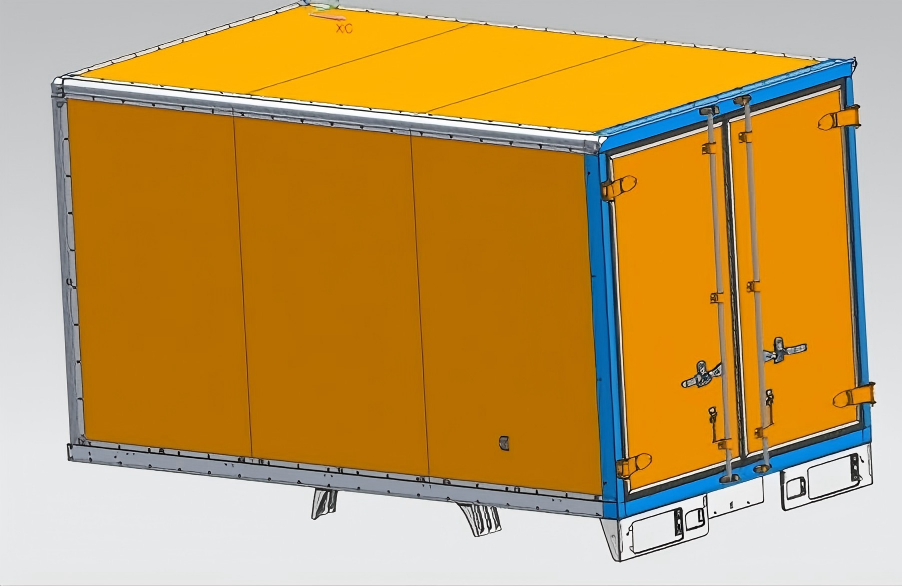
Custom body builds have long held a certain appeal in fleet operations, promising a perfect fit for niche tasks or brand identity. But the math behind that appeal rarely survives contact with real-world maintenance schedules. When a specialized body takes damage, you're not just waiting on a standard replacement panel—you're waiting on a fabricator, often weeks out, while the vehicle sits idle. That downtime quietly erodes the productivity gains the custom build was supposed to deliver.
There's also the resale problem. A purpose-built truck or van might work beautifully for one company's unique route, but the moment you try to sell it, the buyer pool shrinks to almost nothing. Standard bodies, on the other hand, hold value because they can be repurposed across dozens of industries. Fleet managers who have been through a few replacement cycles learn this lesson the hard way: the upfront savings from buying off-the-lot often beats the long-term flexibility of going custom.
None of this is to say every custom build is a mistake—there are edge cases where a standard chassis simply can't do the job. But for the majority of fleet work, the operational simplicity of stock bodies wins out. Fewer suppliers to manage, faster repairs through dealership networks, and easier driver familiarization all add up. The next time someone pitches a custom body as a competitive advantage, ask them to show the total cost of ownership over five years, not just the brochure photos.
Dry Freight Protection That Doesn't Add Weeks to Delivery
Most moisture control solutions force a tough trade-off: either you wait for custom desiccant packs to be manufactured and shipped, or you settle for off-the-shelf products that don't fit your cargo. Our approach eliminates that delay. The standard dry freight protection line ships from regional hubs within 24 hours, using pre-engineered humidity buffers that match the most common container sizes and trip durations. No back-and-forth sampling, no lead-time padding — just the right amount of adsorption capacity already in a box, ready to go.
The real trick isn't just speed, it's predictability. We've mapped moisture uptake across real freight lanes — from Shenzhen to Rotterdam, from Savannah to Hamburg — and tuned each unit to handle condensation spikes without over-drying the load. Because the protection is modular, your logistics team can adjust the number of units per container on the fly, without triggering a new production run. That means a last-minute route change or an extra week at sea doesn't require a phone call and a revised purchase order.
What you're left with is simpler: dry freight that arrives dry, with the same delivery schedule you already promised your customer. No quiet renegotiations over humidity damage. No warehouse corner stacked with leftover desiccant that was ordered 'just in case.' Just a protection layer that moves at the speed of your supply chain, not against it.
From Crate to Cab in a Single Shift
The forklift lowers the last crate onto the shop floor at 6 a.m. By 6:45, the wooden sides are off and the new seat, floor mats, and control console are spread across a tarp. Nobody says much; everyone knows the clock is ticking.
Two mechanics work the brackets while a third runs the wiring harness from the battery box to the dash. The old cab had been stripped the night before, so the new components slide into place with a few stubborn bolts and one stripped thread that costs fifteen minutes. Lunch is a granola bar eaten standing up.
At 2:30 p.m. the key turns. The engine catches, the gauges light up, and the cab smells like fresh vinyl instead of diesel. The truck rolls out for its first pickup with the plastic still on the passenger seat. One shift, zero shortcuts, and a cab that went from packing peanuts to pavement before the afternoon rush.
OEM-Grade Fitment That Ends the Measuring Tape Routine
The first time you snap a bracket into place and it lines up with the mounting holes without a single adjustment, you realize why this fitment feels different. Every contour, radius, and bolt location mirrors the original equipment dimensions, so what used to take twenty minutes of measuring and test-fitting now happens in seconds.
No more marking drill points on a fresh bumper or holding a part up while squinting at a tape measure. The tolerances are tight enough that you can trust the alignment from the start—whether you're working on a daily driver or a weekend project that's been apart more times than you'd like to admit.
It's not just about saving time, though that's a welcome side effect. It's about knowing the part belongs there, as if the factory had designed it that way all along and someone finally got the numbers right.
Fleet Upfitting With Fewer Steps and Fewer Delays
Traditional upfitting often bounces between multiple vendors, causing repeated measurements, miscommunications, and downtime. A more direct approach consolidates design, parts sourcing, and installation under one roof, removing handoffs that stall progress.
Standardized mounting kits and pre-configured electrical harnesses eliminate guesswork. Instead of custom fabricating brackets on site, technicians use pre-designed components that fit common vehicle chassis, cutting install time and reducing rework that leads to scheduling slips.
Real-time parts tracking and dedicated project coordinators keep every build moving. When issues arise, one point of contact resolves them without sending the vehicle back and forth, so fleets get on the road sooner with fewer unexpected stops.
FAQ
It refers to a pre-engineered body that arrives with integrated mounting points, lighting, and wiring harnesses already fitted. Instead of fabricating brackets or splicing cables on-site, the body connects to the chassis using standardized interfaces, which removes most of the guesswork from installation.
Many operators report cutting installation from several days down to a single shift. Because the body is designed to align with OEM chassis pickup points and uses quick-connect electrical systems, the process becomes more about bolting and plugging than custom building.
No, the whole idea is flexibility. They are built around common chassis dimensions and mounting patterns from major manufacturers, so a single body style can often be moved between different trucks or ordered for mixed fleets without major rework.
They work well for palletized goods, packaged freight, furniture, electronics, and other cargo that needs protection from weather but not temperature control. The interior is usually smooth-sided to reduce snagging and make loading easier.
Since the electrical connections and mounting points are standardized, troubleshooting becomes faster. You can replace a rear light cluster or a sensor without tracing a custom wiring job, and the body can be removed or transferred with less labor than a welded or heavily modified setup.
Yes, most manufacturers offer options like side doors, translucent roof panels, e-track rails, and interior lighting packages. The base structure stays the same, but the plug-in concept allows add-ons to be specified upfront and installed before delivery.
Not necessarily. Many use aluminum or composite panels to keep weight comparable or even lower, which helps preserve payload. The integrated components are designed to avoid the extra brackets and reinforcement often required in aftermarket builds.
Confirm the chassis wheelbase, frame width, and axle capacity match the body's mounting specs. Also ask about the electrical interface, as some trucks use different CAN bus protocols, and it is worth verifying the plug-in harness is compatible or includes the right adapter.
Conclusion
Fleet managers have spent years accepting that dry freight bodies mean either waiting on a custom shop or settling for generic shells that never quite line up. The OEM plug-in approach changes that calculation by delivering a body that arrives pre-wired and pre-tested, so it drops onto the chassis line without a second round of troubleshooting. Instead of measuring, cutting, and re-drilling brackets, technicians bolt on a unit designed for the exact chassis, which removes the measuring tape routine that slows most upfits. Dry freight protection is built in from the start, but it doesn't add weeks to delivery because the body doesn't sit in a fabrication queue.
That speed shows up on the floor: a crew can move from crate to cab in a single shift, not over several days of custom work. Fleets that stop leaning on bespoke body builds free up resources and avoid the usual delay chain—waiting for drawings, waiting for steel, waiting for a rework. With fewer steps between chassis arrival and dispatch, the vehicle enters service sooner and with fewer hand-offs that create mistakes. The result is a dry truck body that matches OEM fitment standards, protects freight, and keeps upfitting schedules predictable rather than aspirational. For any fleet trying to scale without adding body shops, this is the practical route.
Contact Us
Contact Person: Ethan
Email: [email protected]
Tel/WhatsApp: +86 13963964935
Website: https://www.wholechaintech.com/