

Nickel Alloy Steel Manufacturing: Top Techniques for Quality Production
2026-04-08
In the high-stakes world of modern engineering, where precision, durability, and performance are non-negotiables, nickel alloy steel stands as a cornerstone material. From aerospace components to industrial machinery, this advanced alloy enables applications that push technological boundaries. Yet, producing high-quality nickel alloy steel is no simple feat—it demands expertise, innovation, and adherence to top-tier manufacturing techniques. That’s why we’re diving into the essential methods behind quality production, uncovering the strategies that separate ordinary outputs from exceptional ones. As a leader in this field, Jiangsu Baowu New Materials leverages cutting-edge approaches to set industry standards, ensuring materials meet rigorous demands. In this blog, we’ll explore key techniques that can elevate your manufacturing process, offering insights to optimize outcomes. Whether you’re a seasoned engineer or a curious industry professional, get ready to discover how mastering these methods can transform production quality and drive innovation. Let’s delve into the art and science of nickel alloy steel manufacturing—where every detail matters.
Foundational Elements of Nickel Alloy Steel Production
Nickel alloy steel production begins with the careful selection and blending of raw materials, where nickel is combined with elements like chromium, molybdenum, and iron to achieve desired properties. The process hinges on precise control over chemical composition, as even minor variations can significantly impact the alloy's corrosion resistance, strength, and temperature tolerance. Modern facilities employ advanced techniques, such as vacuum induction melting, to minimize impurities and ensure a homogeneous mix, setting the stage for robust performance in demanding applications like aerospace and petrochemical industries.
Following the initial melting phase, the alloy undergoes shaping and heat treatment to refine its microstructure and mechanical characteristics. Key steps include forging, rolling, or casting, which are tailored to the specific grade and intended use. Heat treatments, such as annealing or quenching, are critical for enhancing durability and hardness, while processes like precipitation hardening further optimize properties for long-term stability. This stage demands expertise to balance factors like grain size and phase distribution, ensuring the steel meets rigorous industrial standards without sacrificing quality.
In the final production stages, quality control and testing are paramount, involving rigorous checks for defects like cracks or inclusions through methods like ultrasonic inspection and chemical analysis. These elements ensure each batch of nickel alloy steel delivers consistent performance, supporting innovation in fields from energy generation to medical devices. By focusing on these foundational processes, manufacturers not only meet current demands but also pave the way for advanced materials that push the boundaries of engineering and sustainability.
Advanced Techniques for Enhancing Material Durability
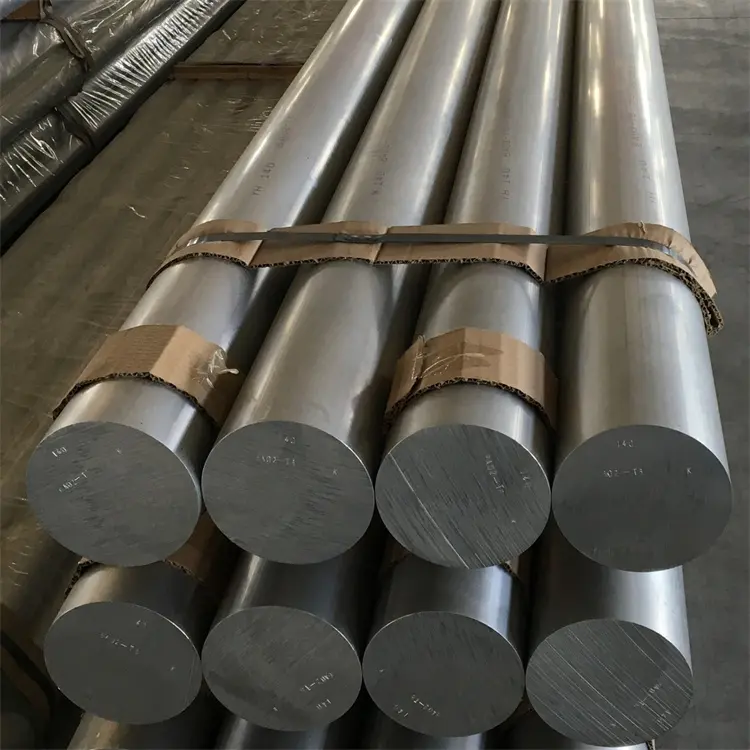
Innovations like nanocoatings are being developed to protect materials at an atomic level, forming ultra-thin barriers that repel moisture and prevent corrosion without altering the material's original properties. This approach is particularly useful in harsh environments where traditional methods fail, offering long-lasting protection while maintaining flexibility and transparency in applications ranging from aerospace to consumer electronics.
Another key method involves alloy engineering, where scientists blend metals with rare elements to create composites that withstand extreme temperatures and pressures. These custom alloys are designed to resist wear and tear, making them ideal for industrial machinery or medical implants that demand both strength and biocompatibility, ensuring durability without compromising performance.
To further boost longevity, smart materials are being integrated with sensors that monitor stress and damage in real-time, allowing for proactive maintenance. This predictive technology helps extend the lifespan of structures like bridges or pipelines by detecting issues early, reducing downtime and costs while enhancing safety through data-driven insights.
Quality Control Measures in Nickel Alloy Fabrication
In the fabrication of nickel alloys, stringent quality control measures are essential to ensure the durability and performance of the final products. These measures begin with meticulous material sourcing, where raw nickel and alloying elements undergo rigorous testing for chemical composition and purity. During manufacturing, processes like casting, forging, and machining are closely monitored using advanced technologies such as non-destructive testing (NDT) methods, including ultrasonic and radiographic inspections, to detect any internal flaws or surface defects that could compromise structural integrity. This proactive approach helps in maintaining consistent quality across batches and reduces the risk of failures in demanding applications.
Beyond initial testing, continuous process optimization plays a critical role in enhancing quality. Real-time data collection from production lines allows for immediate adjustments to parameters like temperature and pressure, minimizing variations that can lead to defects. Additionally, implementing statistical process control (SPC) enables manufacturers to track performance metrics over time, identifying trends and preventing issues before they escalate. These measures not only ensure compliance with industry standards but also foster innovation, as insights from quality data can lead to improved alloy formulations and fabrication techniques tailored to specific environmental or mechanical stresses.
To stand out in competitive markets, companies often integrate custom quality protocols that address unique client requirements. For instance, some fabricators employ specialized corrosion testing under simulated service conditions or conduct fatigue analysis to predict long-term behavior. Employee training programs focused on defect prevention and root cause analysis further empower teams to uphold high standards. By blending traditional inspection methods with digital tools and personalized strategies, these measures create a robust framework that differentiates products through superior reliability and tailored solutions, ultimately building trust with end-users in sectors like aerospace and energy.
Common Defects and How to Avoid Them in Manufacturing
In manufacturing, common defects like warping, cracks, or misalignments can stem from various factors such as material inconsistencies, equipment miscalibrations, or human error. For instance, a slight temperature fluctuation during molding might cause uneven cooling, leading to warped components. Similarly, over-tightening bolts in assembly can induce stress fractures. Addressing these issues often requires a proactive approach: regularly inspect materials for quality, maintain equipment with precision, and train workers on proper handling techniques to minimize mistakes.
To avoid defects, many manufacturers adopt strategies like implementing real-time monitoring systems that detect anomalies during production. This allows for immediate corrections, preventing minor glitches from escalating into major flaws. Additionally, using techniques such as statistical process control (SPC) helps identify trends and variations early on, enabling adjustments before defects occur. By fostering a culture of continuous improvement, teams can collaboratively brainstorm solutions, such as redesigning components for better durability or optimizing workflows to reduce friction points.
Ultimately, preventing defects isn't just about fixing problems after they arise; it's about embedding quality into every step of the manufacturing process. This involves setting clear standards, conducting regular audits, and learning from past incidents to refine methods. For example, a company might analyze defect logs to pinpoint recurring issues and then invest in better tooling or automation to eliminate them. Embracing innovation, like 3D printing for prototyping, can also reduce errors by allowing for thorough testing before full-scale production, ensuring products meet specifications consistently.
Innovative Approaches to Optimizing Production Efficiency
One way companies are boosting production efficiency is by integrating smart sensors into their manufacturing lines. These sensors collect real-time data on machine performance, helping to predict maintenance needs before breakdowns occur. This proactive approach minimizes downtime and keeps operations running smoothly, ultimately saving both time and resources.
Another strategy involves adopting lean manufacturing principles to streamline workflows. By eliminating unnecessary steps and focusing on value-added activities, businesses can reduce waste and speed up production cycles. This not only enhances output but also improves overall product quality, making it a win-win for efficiency and customer satisfaction.
Lastly, implementing collaborative robots, or cobots, alongside human workers is transforming traditional production floors. These robots handle repetitive tasks, allowing employees to concentrate on more complex and creative aspects of the process. This synergy boosts productivity while fostering a safer and more engaging work environment.
Sustainability and Future Trends in Alloy Steel Manufacturing
As global industries increasingly prioritize environmental responsibility, alloy steel manufacturing is transforming to embrace greener practices. Companies are adopting advanced methods like electric arc furnaces that rely on recycled scrap, significantly cutting down on raw material extraction and carbon emissions. The integration of renewable energy sources into production facilities further reduces the ecological footprint, helping manufacturers meet stringent regulations while appealing to eco-conscious consumers. Beyond process improvements, there's a growing push for circular economy models, where steel products are designed for durability, reuse, and easy recycling at the end of their lifecycle, minimizing waste and conserving resources.
Looking ahead, digital technologies are set to revolutionize this sector, with trends like Industry 4.0 driving smarter, more efficient operations. Real-time data analytics enabled by sensors and IoT devices allow for predictive maintenance, optimizing energy use and reducing downtime. AI algorithms can fine-tune alloy compositions for specific applications, enhancing performance while conserving rare materials. Additive manufacturing, or 3D printing, is also emerging as a game-changer in alloy steel, enabling complex, lightweight designs that reduce material use and open up new possibilities in aerospace and automotive industries, all while slashing production waste.
In the longer term, the rise of low-carbon and carbon-neutral production methods will likely define the industry's trajectory. Innovations such as hydrogen-based direct reduction processes are gaining traction, promising to eliminate CO2 emissions from steelmaking altogether. Concurrently, research into novel alloys with enhanced properties—like improved strength-to-weight ratios or better corrosion resistance—could lead to more sustainable outcomes in construction and transportation. As these trends converge, manufacturers will need to balance innovation with cost-effectiveness and scalability, ensuring that sustainability doesn't compromise competitiveness in a global market.
FAQ
Key techniques include precise control of alloy composition, advanced melting processes like vacuum induction melting, and thermomechanical treatments such as hot working and annealing to enhance properties.
It reduces impurities by melting in a vacuum, minimizing gas content and ensuring a homogeneous alloy, which leads to superior mechanical strength and corrosion resistance.
Heat treatment, like solution annealing and aging, optimizes microstructure and mechanical properties, such as hardness and ductility, tailored to specific applications.
Controlling grain size through processes like recrystallization prevents defects and improves toughness and fatigue resistance, ensuring reliable performance under stress.
Additive manufacturing, such as 3D printing, allows for complex geometries with minimal waste, using techniques like selective laser melting to build parts layer by layer for customized solutions.
Measures include non-destructive testing like ultrasonic inspection, chemical analysis, and mechanical testing to verify composition and properties meet strict standards.
Conclusion
Nickel alloy steel manufacturing stands as a sophisticated process where foundational elements like precise material selection and controlled melting techniques are critical for establishing high-quality output. These initial steps ensure optimal chemical composition, forming the backbone of production. Beyond basics, advanced techniques such as specialized heat treatments and microstructural engineering significantly enhance material durability, enabling alloys to withstand extreme temperature and corrosion conditions common in aerospace and energy sectors. Quality control measures, including rigorous non-destructive testing and stringent standards adherence, further solidify product reliability by identifying inconsistencies early.
In production, addressing common defects like inclusions or cracking through preventive strategies—like optimized solidification processes—minimizes waste and boosts yield. Innovative approaches, such as automation and real-time monitoring, optimize efficiency by streamlining workflows and reducing downtime. Looking ahead, sustainability and future trends focus on eco-friendly practices like energy-efficient furnaces and recycling initiatives, driving the industry toward greener manufacturing. Together, these top techniques craft durable, high-performance nickel alloy steel, balancing quality, efficiency, and environmental responsibility in a competitive market.
Contact Us
Contact Person: Zoe Liang
Email: [email protected]
Tel/WhatsApp: 86 189 2128 6299
Website: https://www.baowuchina.com