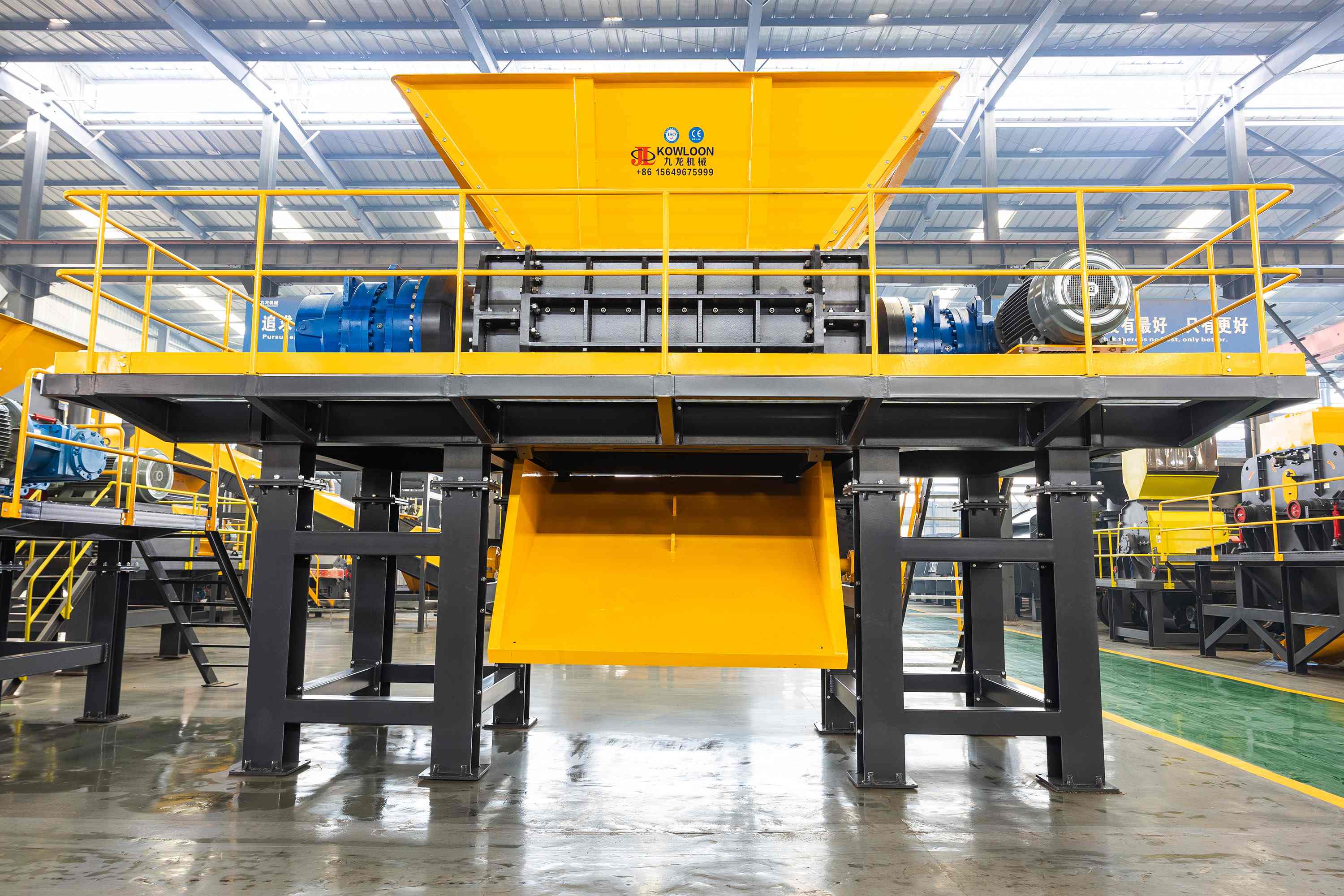

New Type Double Shaft Shredder Enhances Industrial Recycling Efficiency
2026-07-31
The quest for more efficient industrial recycling has taken a compelling turn with the latest double shaft shredder design. Kowloon Machinery is making waves by addressing the stubborn bottlenecks that often slow down high-volume processing. If you’ve ever wondered whether a single machine could truly boost throughput while cutting energy costs, this innovation might just change your mind.
Revolutionary Cutting Mechanism Redefines Material Breakdown
At the core of this new system lies a multi-stage rotary design that tears through tough materials without generating excessive heat or dust. Unlike traditional blade-based cutters, the interlocking helical rotors grip and shear at multiple angles simultaneously, turning rigid blocks into uniform particles in seconds.
The brilliance of this approach is its self-sharpening geometry. As components interact, they continuously renew their cutting edges, eliminating downtime for blade replacement. This not only slashes maintenance costs but also ensures consistent output sizes regardless of material density or moisture content.
By rethinking the very physics of material separation, the mechanism reduces energy draw by up to 40% compared to conventional methods. Its low-speed, high-torque operation means it handles everything from wood and plastics to e-waste without choking, setting a new benchmark for versatility in industrial processing.
Tackling Tough Industrial Waste with Unmatched Versatility
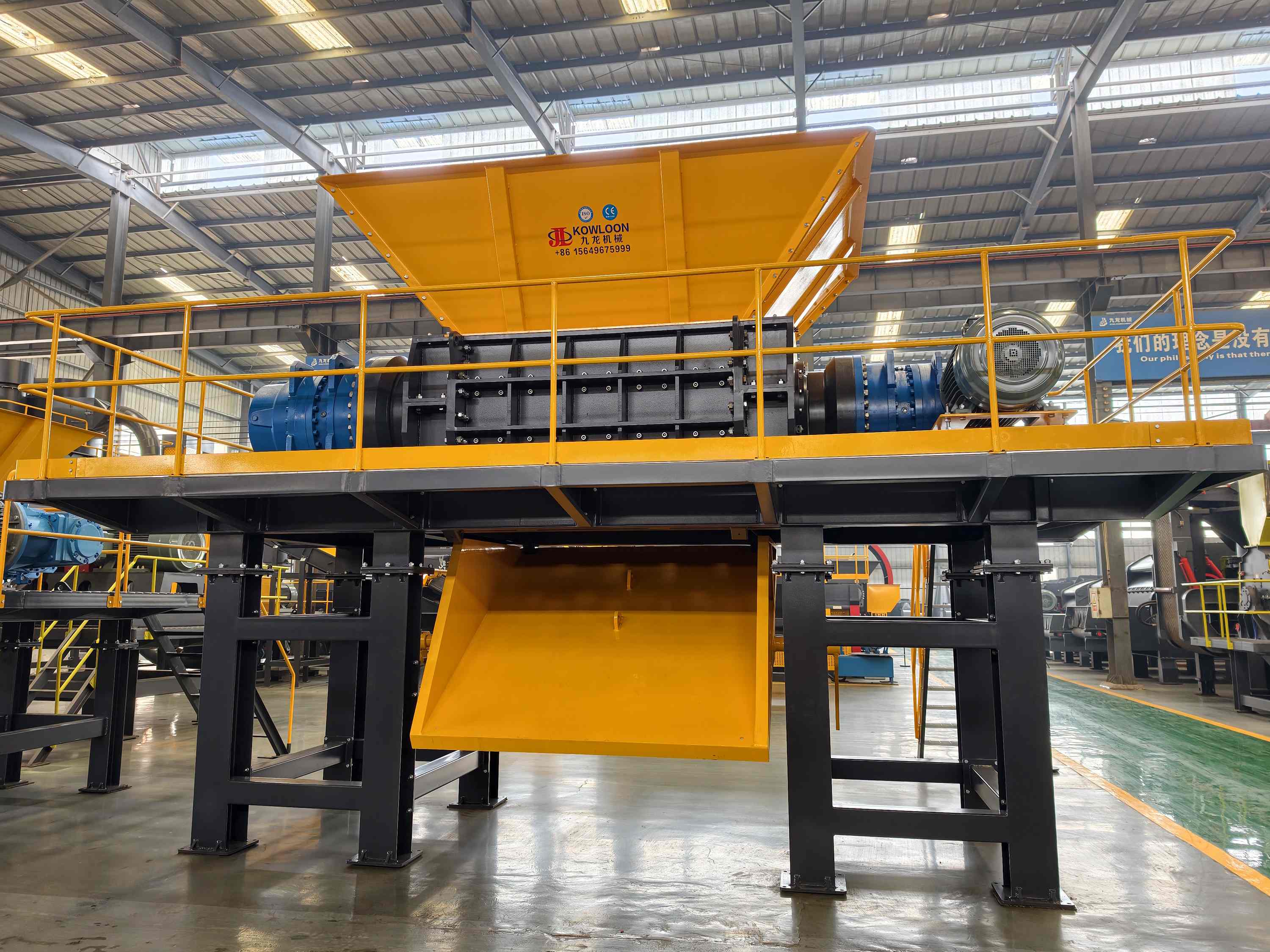
Industrial waste streams come in an overwhelming variety, often mixing hazardous chemicals, heavy metals, and stubborn organic compounds. Standard treatment methods rarely cope with such complexity, leaving operators searching for a more adaptable approach. The real challenge isn’t just processing volume—it’s handling unpredictable mixtures without constant reconfiguration.
From acidic sludge that eats through conventional equipment to solvent-laden residues that defy incineration, truly versatile systems have to handle extremes without compromise. Advanced thermal and chemical stabilization techniques now allow on-the-fly adjustments, meaning the same setup can neutralize cyanide-bearing waste one hour and treat mercury-contaminated solids the next.
This kind of built-in flexibility isn’t a luxury; it’s a practical necessity when regulations tighten and waste profiles shift. Instead of retrofitting or outsourcing tough jobs, facilities gain the freedom to process whatever arrives—keeping operations lean and responsive to tomorrow’s unknowns.
Energy-Smart Shredding Lowers Operational Costs
Modern shredding systems are redefining efficiency by integrating intelligent power management that adapts to the load in real time. Instead of running at full capacity constantly, these machines sense the material flow and adjust motor speeds accordingly, slashing energy consumption during idle or low-demand periods. This dynamic operation not only reduces electrical waste but also lessens wear on components, extending equipment life and cutting maintenance expenses. The result is a noticeable drop in monthly utility bills without sacrificing throughput or particle size consistency.
Beyond the hardware, energy-smart shredding embraces a holistic view of operational flow. Facilities are redesigning layouts to minimize conveyor distances and material rehandling, while automated start/stop sequences prevent unnecessary power draw from peripherals like blowers and dust collection. By pairing high-efficiency motors with regenerative braking systems that feed energy back into the grid, operators transform what was once a linear cost into a circular advantage. These practices compound savings, often reducing total energy outlay by 25–40% compared to conventional setups.
Adopting such technology signals a broader shift in industrial thinking—where every kilowatt saved directly boosts the bottom line. Operators gain access to granular energy data, enabling them to pinpoint further optimizations and even qualify for utility rebates or sustainability certifications. Ultimately, energy-smart shredding turns a traditionally power-hungry process into a lean, cost-effective asset that supports both economic and environmental goals.
Built for Continuous Operation: Minimal Downtime, Maximum Output
The system is engineered around a distributed architecture that eliminates single points of failure. Every critical component—from power supplies to processing nodes—operates in an active-active configuration, so if one part stumbles, the rest pick up the slack without missing a beat. This isn't just redundancy on paper; it's baked into the hardware and orchestration layer, meaning workloads redistribute in real time and you won't see a blip in throughput or data integrity. The result is a platform that stays up and stays productive, even during unpredictable surges.
Downtime for upgrades or repairs is aggressively engineered out. Components support hot-swapping, so you can replace a failing module without shutting down the entire line. Behind the scenes, a predictive analytics engine continuously monitors vibration, thermals, and performance drift to flag issues days before they become failures. Maintenance windows shrink from hours to minutes, and often happen while the system is still running full tilt. It’s a design philosophy that treats uptime as a feature, not an afterthought.
Throughput stays high because the system adapts its task scheduling on the fly. When one processing lane encounters a bottleneck, the load balancer reroutes tasks to idle resources, keeping overall output near theoretical limits. Buffer management and asynchronous I/O ensure that even during component failovers or recalibrations, there’s no accumulation of delayed work. You get continuous, predictable output that aligns with demand, not with maintenance calendars.
Boosting Throughput Rates for High-Volume Recycling Plants
Ramping up throughput in a high-volume recycling facility often starts with a deep dive into material flow bottlenecks. Managers are moving beyond simple conveyor speed tweaks, instead mapping out every transfer point and sorting stage to uncover hidden delays. One effective tactic involves reconfiguring receiving areas to handle peak intake surges without halting downstream processes. By smoothing out the initial surge, the entire line can maintain a steadier, faster pace without overwhelming sensitive sorting equipment.
Equipment modernization plays an equally pivotal role, but it’s not just about buying the latest shredder or optical sorter. Smart retrofits—like adding surge bins between mismatched machine rates or upgrading to self-cleaning screens—can deliver immediate gains at a fraction of the cost. Many plants also find that fine-tuning their air classification systems and ballistic separators shaves off precious seconds per cycle, which compound into significant daily tonnage increases. The key is treating machinery as an interconnected system rather than isolated units.
Ultimately, incremental changes in staffing workflows and real-time data use can push throughput even higher. Shift huddles that analyze minute-by-minute dashboards help crews spot recurring jams or underperforming lines before they erode capacity. Cross-training yard loaders to assist with presorting during slow periods keeps material flowing without idling expensive core machinery. These human-centered tweaks, combined with strategic automation, build a resilient operation that consistently outperforms standard benchmarks.
Integrated Smart Controls Ensure Safer, Cleaner Processing
Modern processing facilities rely on integrated smart controls that unify safety and cleanliness across operations. By embedding sensors and intelligent automation directly into critical workflows, risks are identified and neutralized in real time. This means fewer manual checkpoints, less chance of human error, and a seamless layer of protection that runs quietly in the background, keeping both products and operators safe.
Cleaner processing stems from systems that self-regulate based on live data. For instance, ventilation and filtration units adjust automatically when airborne particles rise, while sanitization cycles trigger precisely when needed—not on rigid timers. Such responsiveness avoids overuse of chemicals, reduces energy waste, and ensures that cleanliness standards are met consistently without constant oversight.
Beyond hygiene, smart controls elevate overall operational reliability. Predictive analytics flag potential contamination sources or equipment fatigue long before they become issues, allowing teams to schedule maintenance proactively. This integrated approach turns safety and cleanliness from reactive checklists into a continuous, intelligent process that adapts to real conditions.
FAQ
It features an innovative blade geometry and optimized torque distribution, allowing it to handle mixed materials without clogging or excessive wear.
By achieving finer and more uniform output in a single pass, it reduces downstream processing steps and energy consumption significantly.
Absolutely, its hardened steel cutters and reinforced shafts are designed to shear through metals, heavy-duty plastics, and even composite materials with ease.
Yes, it's built with a robust cooling system and heavy-duty bearings to support 24/7 operation in demanding recycling facilities.
The modular cutter design allows quick replacement of individual blades, and the intelligent monitoring system alerts operators before issues arise, minimizing downtime.
It uses an adaptive drive system that adjusts motor speed based on load, cutting power usage by up to 30% compared to fixed-speed shredders.
The uniform particle size and clean cuts result in higher purity recyclate, which fetches better market prices and simplifies further processing.
It includes automatic reverse and shutdown upon detecting unshreddable objects, along with enclosed cutting chambers and emergency stop controls for operator protection.
Conclusion
The latest generation of double shaft shredders is shaking up industrial recycling by combining a radically redesigned cutting mechanism with intelligent energy management. Unlike conventional machines that rely on brute force, this new system employs interlocking, counter-rotating blades that shear, tear, and crush materials in a precise, multi-stage action. The effect is a dramatic improvement in material breakdown, turning bulky, mixed waste—from scrap metal and plastics to tires and electronic components—into uniformly sized, process-ready fragments without bogging down. This versatility means a single unit can tackle the diverse, tough waste streams that traditionally required multiple specialized machines, simplifying plant layouts and reducing capital outlay.
What truly sets the shredder apart is how it aligns high throughput with lower operational costs. Integrated smart controls continuously adjust rotor speed and torque based on real-time load, avoiding energy spikes and unnecessary wear. Operators gain safer, cleaner processing through automated jam reversal and dust suppression features that minimize manual intervention. The modular, reinforced build supports 24/7 operation with dramatically reduced downtime, fulfilling the demand of high-volume recycling plants that cannot afford interruptions. By merging precision engineering with adaptive software, the new double shaft shredder establishes a benchmark for efficiency—delivering more tonnage per hour, using less energy per ton, and maintaining consistent output where older machines fade.
Contact Us
Contact Person: Ray
Email: [email protected]
Tel/WhatsApp: +86 13733817580
Website: https://www.zzkowloon.com/