

Municipal Sewage Chamber Filter Press Export: Advanced Filtration for Global Wastewater Treatment
2026-08-03
As urban populations surge, municipal wastewater treatment plants face mounting pressure to handle ever-growing sludge volumes efficiently. Enter the chamber filter press—a proven workhorse in solid-liquid separation that’s now gaining global traction for its reliability and low operating costs. But not all presses are created equal. From compact designs that fit tight urban footprints to automated systems that minimize operator intervention, modern exports are redefining what’s possible in sludge dewatering. And leading this transformation is Sinou, engineering advanced filtration solutions that help municipalities worldwide turn a messy challenge into manageable, eco-friendly outcomes. Here’s why their chamber filter press export line is making waves in global wastewater treatment.
Municipal Sludge Dewatering Enters a New Era with Chamber Filter Presses
The landscape of municipal sludge treatment is being reshaped as chamber filter presses take center stage, offering a robust and efficient solution that outpaces traditional methods. Municipalities are increasingly turning to these systems to tackle the mounting challenge of sludge volume reduction, driven by stricter environmental regulations and the rising cost of disposal. Unlike older belt presses or centrifuges, chamber filter presses deliver remarkably high cake dryness, often achieving solids content above 40%, which directly translates to lower transport and incineration expenses. This shift is not just about performance metrics; it's about rethinking the entire dewatering workflow to make it more resilient and cost-effective in the long run.
One of the key reasons behind this transition is the chamber filter press's ability to handle a wide variety of sludge types without compromising on output quality. Whether dealing with primary, secondary, or mixed sludge, these machines adapt through simple adjustments in cycle times, chemical conditioning, and plate configurations. Their enclosed design also addresses odor concerns, a common pain point in urban treatment plants situated near residential areas. Operators appreciate the reduced hands-on time required, thanks to automated plate shifting and cake discharge systems that minimize manual intervention and keep the process running smoothly even during peak loads.
Looking ahead, the integration of smart monitoring and control technologies is further cementing the chamber filter press as a cornerstone of modern sludge dewatering. Real-time data on pressure, filtrate turbidity, and moisture levels enable predictive adjustments that optimize performance and reduce downtime. This new era is defined by a blend of mechanical reliability and digital intelligence, allowing plants to achieve consistent results with less energy and chemical usage. As municipal budgets tighten and environmental expectations grow, the chamber filter press stands out as a practical, forward-thinking investment that ensures treatment facilities stay ahead of the curve.
How Advanced Filtration Tackles Global Wastewater Treatment Challenges
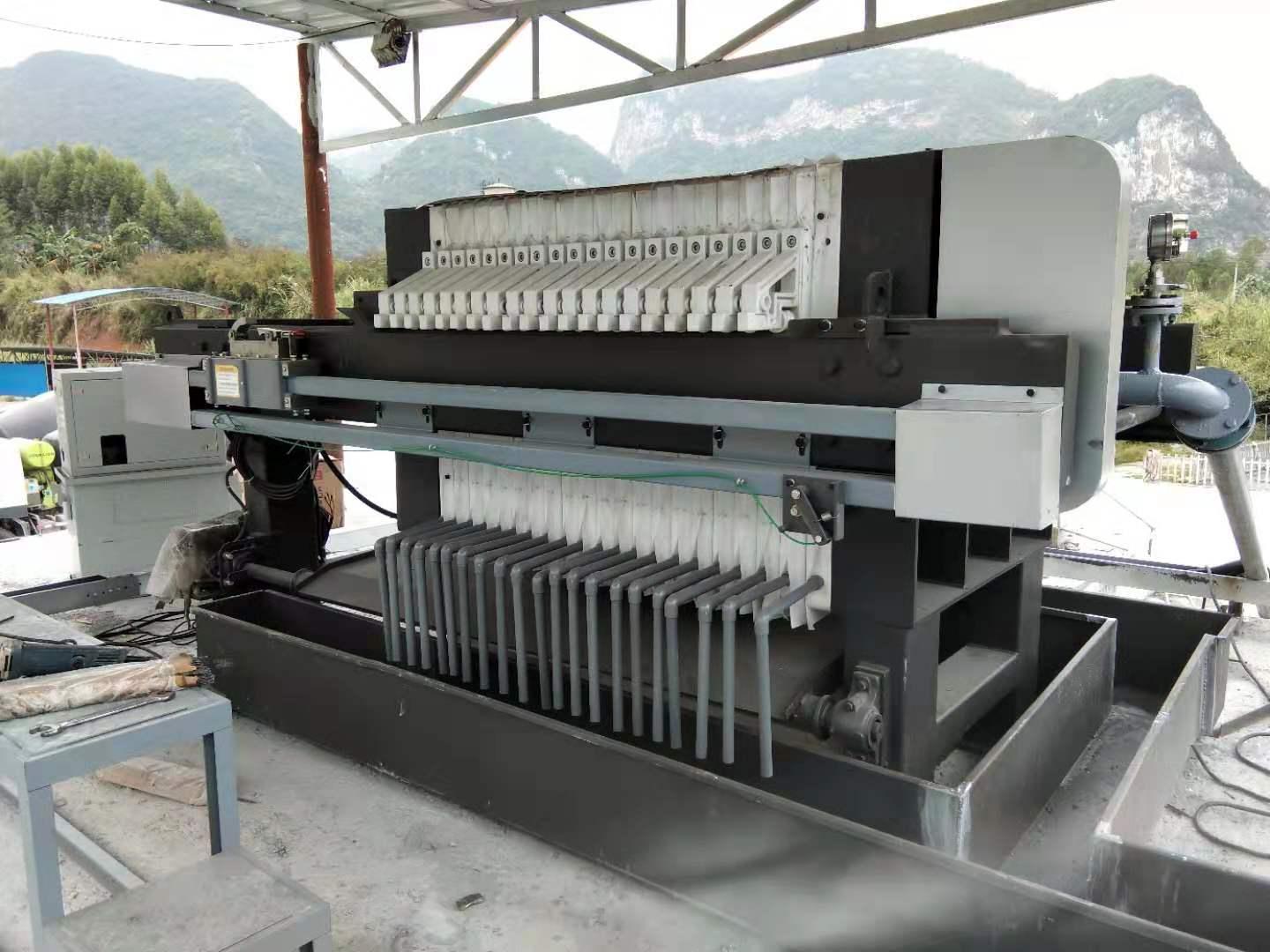
Advanced filtration isn't just about removing visible impurities—it's a precision-driven answer to the growing complexity of wastewater. From microplastics to pharmaceutical residues, modern contaminants demand more than conventional methods can offer. Membrane-based technologies like reverse osmosis and nanofiltration now serve as the backbone of many treatment plants, pulling out dissolved salts, heavy metals, and even pathogens at a molecular level. The result is water that's often cleaner than what flows from natural sources, making direct reuse a viable option for agriculture, industry, and even drinking water.
What sets advanced filtration apart is its ability to adapt to local needs without sacrificing efficiency. In water-scarce regions, plants integrate forward osmosis to treat high-salinity brines with minimal energy. Elsewhere, ceramic membranes withstand harsh chemical cleaning, lasting years despite abrasive influent. This flexibility allows one installation to handle seasonal spikes in agricultural runoff, while another targets persistent organic pollutants from textile factories. Rather than relying on a one-size-fits-all approach, operators tune pore sizes, pressure levels, and pretreatment steps to match the waste stream, squeezing out every drop of reusable water.
The quiet revolution lies in how these systems blend into existing infrastructure and natural cycles. Decentralized ultrafiltration units now serve remote communities and industrial parks, cutting the need for sprawling sewer networks. Meanwhile, capacitive deionization—an emerging electrochemical method—removes salts without high-pressure pumps, slashing energy bills. By turning waste into a resource rather than a burden, advanced filtration is reshaping the economics of water management. It's not a silver bullet, but when paired with thoughtful regulation and community buy-in, it offers a tangible path through the tangle of global water challenges.
Export-Ready Systems: Engineered for Diverse Municipal Needs
Municipalities across the globe face a staggering array of operational challenges—coastal towns battle salt corrosion, northern cities grapple with subzero startups, while dense urban centers demand equipment that fits impossibly tight footprints. Our export-ready systems don't just cope with these extremes; they're built from the ground up to thrive in them. Each unit undergoes a rigorous climate-matching process during assembly, where seals, lubricants, and electronics are selected for the specific destination's humidity, temperature swings, and altitude. This isn't a catalog item we ship and forget—it's infrastructure that lands ready to work, whether it's filtering drinking water in a tropical delta or powering traffic signals through a desert sandstorm.
Shipping and setup often eat budgets and patience, so we redesigned everything from the crate outward. Components are pre-assembled into modular blocks that slide together on-site without cranes or specialist crews—often within a single shift. The enclosures fold flat when space is tight on a vessel, then expand to full operational size once unloaded. For municipalities lacking heavy lifting gear, optional integrated skids and lifting eyes simplify local handling. Even the documentation follows this logic: visual, language-neutral manuals let local teams perform first maintenance before they've fully translated the text. A city in Malaysia recently had a water treatment unit producing clean output six hours after the container doors opened.
The real differentiator, though, lies beneath the panels. We embedded configurable control logic that adapts to how a city actually runs—not some idealized spec sheet. If a town's power grid flickers daily at 6 PM when industry shuts down, the system learns that rhythm and staggers pump cycles to avoid tripping breakers. If operators in different regions have varying certification levels, the interface morphs from full manual override to guided, locked-down modes. This isn't just rugged hardware; it's a machine that molds itself to local work culture, maintenance habits, and even budget cycles. Whether managing stormwater in Rotterdam, waste in Nairobi, or district heating in Seoul, the system arrives already speaking the city's operational language.
The Hidden Mechanics Behind Efficient Chamber Filter Presses
What makes a chamber filter press truly efficient often comes down to details that aren't immediately visible. Beyond the basic cycle of fill, press, and discharge, the interplay of hydraulic clamping, feed pressure modulation, and the geometry of the filter chambers creates a system where every element is tuned for maximum throughput with minimum downtime. Slight changes in plate design, for instance, can dramatically alter cake release and washing uniformity, while the control logic behind pump ramping prevents premature blinding of the filter media. These subtle factors work together to shrink cycle times and extend equipment life.
A closer look at the filtration process reveals how pressure is managed not as a constant, but as a carefully shaped curve. Instead of simply ramping up pump speed until the chambers are full, advanced systems monitor resistance and adjust feed rates to maintain optimal particle bridging within the cake. This avoids dense, impermeable layers that choke flow. Meanwhile, the structural response of the press itself—the way sidebars flex and how the closure system distributes force—affects sealing integrity under high loads. Even the material of the filter cloth plays a hidden role, influencing capillary action during air blowing and final cake dryness.
Maintenance and reliability also hinge on unnoticed mechanical innovations. Modern presses incorporate automatic plate shifting mechanisms that reduce manual intervention and improve safety, but the engineering goes further: drainage surfaces are designed to handle abrasive slurries without clogging, and core blow systems are integrated to lower residual moisture. All these elements are orchestrated by a control system that learns from previous cycles, fine-tuning parameters for the specific slurry characteristics. The real hidden mechanics are in this adaptive, self-optimizing loop that keeps the press operating at peak efficiency hour after hour.
Reducing Moisture, Cutting Costs: Practical Benefits in Sludge Handling
Sludge is mostly water, often exceeding 95% by volume. Removing even a modest fraction of that moisture dramatically shrinks the material’s bulk, turning thousands of gallons of liquid waste into manageable solid cakes. This volume reduction slashes hauling trips, fuel consumption, and disposal fees, delivering immediate savings that compound with every ton processed.
Modern dewatering equipment, from screw presses to centrifuges, can consistently push solids content above 20% without excessive energy input. The drier the cake, the more options facilities have: incineration becomes self-sustaining, landfill tipping fees drop, and beneficial reuse—like land application or composting—becomes logistically and financially viable. Optimizing polymer dosing and equipment settings further trims operational costs while maintaining throughput.
Beyond the balance sheet, reducing moisture improves plant reliability. Thickened, drier sludge flows more predictably through conveyors and pumps, preventing clogs and reducing wear. It also curtails odors and pathogens, easing compliance burdens. These practical gains turn moisture management from a mundane maintenance task into a strategic lever for performance and cost control.
From Local Workshops to Global Wastewater Projects: A Export Perspective
The journey from a modest local workshop to delivering complex wastewater solutions around the globe is rarely linear. It often starts with a handful of engineers who’ve spent years perfecting a niche treatment system for a nearby industrial park. What sets successful exporters apart is the moment they realize their technology isn’t just solving a local problem—it’s addressing a universal need. Suddenly, the same bioreactor design that handled high-strength effluent in a domestic factory is being adapted for a mining site in South America or a textile plant in Southeast Asia.
Scaling up across borders brings a steep learning curve that few prepare for. It’s not just about shipping equipment; it’s about understanding radically different regulatory frameworks, water quality standards, and cultural attitudes toward maintenance. One project might require extensive on-site training because the operators have never worked with membrane filtration. Another might demand a complete redesign to fit into a containerized format because road access is poor. Those who thrive in this space learn to treat every export bid as a co-development opportunity rather than a simple transaction, often forging long-term partnerships that later open doors to regional expansions.
The real shift happens when a company moves from reactive sales to proactive global problem-solving. Instead of waiting for tenders, they start collaborating with international development banks or joining consortiums that target municipal deficiencies. Their local roots give them a practical, hands-on reputation that large multinationals sometimes lack. The workshop where it all began becomes a testing ground for innovations that eventually land in a sprawling treatment plant overseas—proving that expertise forged in a compact setting can have an outsized impact on global water resilience.
FAQ
It uses a reinforced plate design and an automated cloth washing system that keep filtration rates steady even with high-organic-content sludge, cutting downtime by roughly 30% compared to older presses.
The feed pump adjusts pressure profiles based on real-time solids readings, so it tolerates grit and oil spikes without clogging—plants report consistent cake dryness between 25% and 35% across varied loads.
Yes, it supports Modbus TCP/IP and PROFIBUS as standard, allowing operators to adjust cycle times and receive maintenance alerts from any location without proprietary software.
We pre-assemble core components on a single skid, ship with pre-calibrated instruments, and provide a three-day on-site supervision package; most crews complete tie-ins within a week.
We keep regional stock in bonded warehouses across Southeast Asia, Africa, and South America, and we train local distributors to handle 90% of common replacements within 48 hours.
It carries CE and ISO 9001 certification, and all wetted parts can be specified in 316L stainless steel or polypropylene to comply with local drinking water authority requirements if polishing steps are included.
Cake solids typically reach 35–45% without polymer addition for primary sludge, which halves trucking weight and often allows direct landfilling under most national regulations, reducing annual hauling fees significantly.
Conclusion
The export of municipal sewage chamber filter presses is rapidly reshaping global wastewater treatment by bringing advanced dewatering capabilities to diverse municipal setups. These systems represent a new era in sludge handling, tackling age-old challenges like high moisture content and costly disposal through precision filtration. At their core, hidden mechanical innovations—optimized plate designs, high-pressure feeding, and automated cake release—enable consistent low-moisture results, regardless of sludge variability. This engineering sophistication directly translates into practical gains: reduced sludge volume slashes transportation and incineration expenses, while drier cakes open doors for resource recovery. Customized to handle everything from primary to digested sludge, these presses adapt to local infrastructure and regulatory demands, proving their export readiness across continents.
Behind the shift from local fabrication to global projects lies a deep understanding of municipal pain points—overloaded landfills, tightening environmental standards, and energy-intensive treatment chains. Modern chamber filter presses address these by combining robust filtration with energy-saving hydraulics and remote monitoring, making them reliable even in remote installations. The export perspective reveals a growing demand for scalable, containerized systems that bypass lengthy on-site construction, instead delivering plug-and-play performance. As communities worldwide grapple with urbanization and water scarcity, advanced filtration technology not only cuts operational costs but also supports sustainable sludge reuse. This fusion of efficiency, adaptability, and export-centric design positions municipal chamber filter presses as a cornerstone of tomorrow's wastewater management, delivering cleaner water cycles without compromise.
Contact Us
Contact Person: HaiYan
Email: [email protected]
Tel/WhatsApp: +86 18957325588
Website: https://www.senyoubeton.com/