

How to Choose the Best Copper Plate for Your Project
2026-09-14
Think about the last time you started a project with high hopes, only to be let down by subpar materials. Copper plates might seem like a straightforward choice, but picking the wrong one can lead to frustrating results—think warping, poor conductivity, or a finish that just doesn't last. Whether you're crafting custom jewelry, building electronic components, or tackling a home renovation, the right copper plate can make all the difference. In this guide, we'll dive into the key factors that separate the best from the rest, helping you navigate thickness, purity, and surface treatments with confidence. Get ready to transform your projects with a choice that's not just good, but perfect for your needs.
Finding the Best Copper Plate for Your Craftwork
When selecting a copper plate for your craftwork, start by considering the thickness and temper, as these factors directly influence durability and ease of manipulation. Thinner gauges, like 24-ounce, are ideal for intricate etching or jewelry making, allowing detailed work without cracking, while heavier plates, such as 16-ounce, provide sturdiness for larger sculptures or wall art that requires more structural integrity. Don't overlook the temper—dead soft copper bends effortlessly but may warp over time, whereas half-hard or full-hard options retain shape better but demand stronger tools for shaping, so match your project's needs to avoid frustration mid-process.
Beyond basic specs, the surface finish can make or break your final piece, with options ranging from polished to patinated. A polished copper plate offers a bright, reflective base perfect for contemporary designs or pieces meant to shine, but it requires regular maintenance to prevent tarnishing. In contrast, pre-patinated or oxidized plates introduce rich blues, greens, or browns that add instant character and depth, ideal for vintage-style crafts or mixed-media projects where texture and color interplay are key; experiment with different finishes to see how they complement your artistic vision without extra steps.
To truly elevate your craft, source copper plates from reputable suppliers who prioritize quality and sustainability, as impurities or inconsistent alloys can lead to unexpected brittleness or discoloration. Look for plates labeled as pure copper or high-grade alloys, often certified by artisans, and consider local or eco-friendly sources to support smaller businesses and reduce environmental impact. By balancing technical aspects with personal aesthetic goals, you'll find a copper plate that not only meets practical demands but also inspires creativity, turning raw material into a standout masterpiece in your portfolio.
How to Identify the Best Copper Plate for Longevity
When selecting a copper plate for durability, start by examining the thickness and grade. Opt for a plate with a higher gauge, as thicker copper resists wear and corrosion better over time. Look for pure copper or high-copper alloys, which offer superior longevity compared to mixed metals that might degrade faster.
Additionally, consider the plate's finish and treatment. A patina or protective coating can enhance its lifespan by preventing tarnish and environmental damage. Check for even application and quality craftsmanship, as these factors directly impact how well the plate withstands daily use and exposure.
Lastly, evaluate the source and manufacturing process. Copper plates from reputable suppliers often undergo rigorous testing for strength and durability. By focusing on these aspects, you can ensure your choice not only looks great but also stands the test of time with minimal maintenance.
Our Products
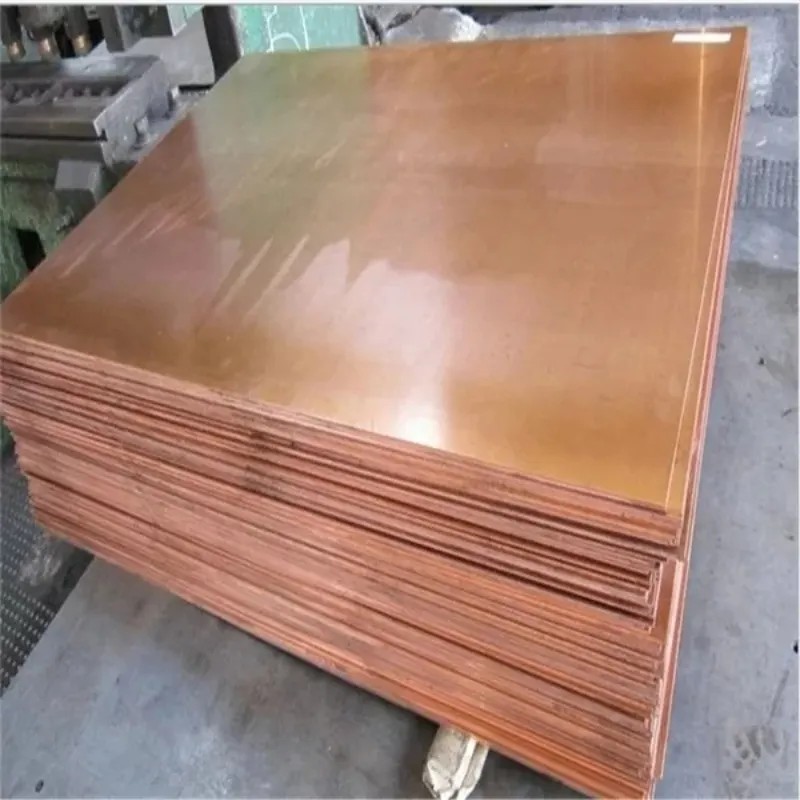
Tips for Choosing the Best Copper Plate for Sculpting
When selecting a copper plate for sculpting, start by assessing its thickness and malleability. Thin copper sheets, typically around 18 to 22 gauge, are ideal for beginners as they're easier to shape and hammer without requiring excessive force, making them perfect for intricate details. For larger, more robust sculptures, opt for thicker plates (16 gauge or above) which provide structural integrity and resist warping during deep forming.
Consider the temper or hardness of the copper, as it plays a crucial role in your working process. Soft-annealed copper is more pliable and forgiving, allowing for smooth bending and texturing, but it may lose shape over time. Half-hard copper offers a balance, holding its form better while still being workable with tools, which is great for pieces that need durability. Avoid fully hardened copper unless you have specialized equipment, as it can be challenging to manipulate.
Lastly, pay attention to the surface finish and purity of the copper. A clean, unpatinated surface is easier to polish and maintain, while pre-oxidized plates can add an aged aesthetic but might limit future finishing options. High-purity copper (at least 99% copper content) ensures fewer impurities, reducing the risk of cracks or discoloration during sculpting. Don't forget to source from reputable suppliers—some offer recycled copper that's eco-friendly but may vary in consistency, so test a small piece first.
Discover the Best Copper Plate for Electronics Projects
For electronics enthusiasts and professionals, choosing the right copper plate can make all the difference in project success. Copper's excellent conductivity and thermal properties are well-known, but not all plates are created equal. When sourcing, look for high-purity copper, typically 99.9% or above, to ensure minimal resistance and reliable performance. Thickness matters too—thinner plates are great for intricate circuits, while thicker ones offer durability for high-current applications. Whether you're prototyping a new gadget or repairing an old device, a quality copper plate provides a solid foundation that enhances both functionality and longevity.
Beyond basic specs, consider the surface finish and manufacturing process. A smooth, oxide-free surface improves solderability and reduces the risk of shorts, which is crucial in densely packed electronics. Some plates come with protective coatings to prevent tarnishing, keeping them ready for use without extra cleaning. If you're working on RF or high-frequency projects, rolled copper plates with uniform grain structure can minimize signal loss. Don't just grab the first plate you find; take a moment to match its characteristics to your specific needs, whether that's flexibility for wearable tech or rigidity for industrial components.
In today's market, sustainability and sourcing are also key factors. Opt for copper plates from ethical suppliers that prioritize recycling and environmental responsibility. Many projects benefit from copper-clad laminates that combine copper with insulating materials, offering versatility for PCB designs. Test different brands and types to see which one handles your tools and techniques best—some plates might be easier to etch or cut without burrs. By investing time in selecting the ideal copper plate, you'll not only boost your project's performance but also gain confidence in your craftsmanship, leading to more innovative and reliable electronics solutions.
Ensuring You Pick the Best Copper Plate for Outdoor Use
Selecting the right copper plate for outdoor applications involves more than just aesthetic appeal; it hinges on understanding how the material will interact with environmental elements over time. Copper naturally develops a protective patina when exposed to the outdoors, but not all copper plates are created equal in terms of initial quality and thickness. A thicker gauge, such as 16 or 14 gauge, often proves more durable against physical impacts and weathering compared to thinner alternatives. Additionally, consider whether the plate is pure copper or an alloy—pure copper tends to develop a more uniform greenish patina, while alloys might offer enhanced corrosion resistance but alter the color evolution.
Beyond thickness and composition, the manufacturing process significantly impacts performance. Look for plates that have been properly annealed and finished, as this affects both workability and longevity. For instance, cold-rolled copper might provide a smoother surface initially, but it could be more prone to stress cracking in fluctuating temperatures. In contrast, hot-rolled variants might offer better structural integrity. It's also worth checking if the plate has any pre-applied coatings or treatments; while these can delay patina formation, they might not suit every design preference or environmental condition, potentially requiring more maintenance.
Finally, practical factors like installation and maintenance should guide your choice. Ensure the plate is compatible with your fastening methods—for example, copper plates that are easy to cut and shape can simplify on-site adjustments. Consider the local climate too: in coastal areas with salt-laden air, a higher-grade copper or specific alloy might be necessary to resist accelerated corrosion. By balancing these technical details with your project's specific needs, you can confidently select a copper plate that not only looks stunning outdoors but also stands the test of time with minimal upkeep.
Why the Best Copper Plate Matters in Artwork Creation
When exploring the world of printmaking, the choice of copper plate emerges as a pivotal factor that can either elevate or hinder artistic expression. Unlike other materials, copper offers a unique combination of durability and malleability, allowing artists to etch intricate details with remarkable precision. This subtle interplay between the metal's texture and the engraving tools enables creators to capture even the faintest nuances in their designs, resulting in prints that possess a distinct depth and clarity. The plate's ability to withstand multiple impressions without significant wear ensures that each subsequent print retains the original's integrity, a quality that becomes indispensable for limited edition series where consistency is paramount.
Beyond its practical benefits, the best copper plates contribute to an artwork's aesthetic richness in ways that are often overlooked. The metal's natural warmth and subtle sheen can subtly influence how light interacts with the printed image, creating luminous effects that are difficult to replicate with alternative materials. This characteristic makes copper particularly suited for works that aim to convey atmospheric moods or textured surfaces, as it adds a tactile dimension that engages viewers on a sensory level. Artists who master its properties find themselves able to produce pieces that feel both timeless and uniquely expressive, showcasing a craftsmanship that distinguishes their work in a crowded artistic landscape.
Moreover, the historical significance of copper in art adds another layer of value to its use. For centuries, master printmakers have favored this material for its reliability and the unparalleled results it yields, establishing a tradition that contemporary artists continue to honor. By choosing high-quality copper plates, creators not only invest in their technical process but also connect with this rich legacy, infusing their works with a sense of continuity and authenticity. In a digital age where reproducibility often sacrifices craftsmanship, this commitment to traditional materials can set an artist apart, making each piece not just a visual statement but a testament to enduring artistic standards.
FAQ
What factors should I consider when selecting a copper plate for a DIY project?
How does the thickness of a copper plate affect its suitability for different applications?
Are there specific types of copper alloys that perform better in artistic versus industrial uses?
What are the key differences between cold-rolled and hot-rolled copper plates, and which is ideal for crafting?
Can you recommend methods to test the quality of a copper plate before purchasing it for architectural elements?
How do surface finishes, like patina or polished, change the durability and appearance of copper plates over time?
What budget-friendly alternatives exist for copper plates without compromising much on performance in small-scale projects?
Conclusion
Choosing the best copper plate for your project is a nuanced process that hinges on understanding its intended application, whether it's craftwork, sculpting, electronics, or outdoor use. For artistic endeavors like craftwork and sculpting, factors such as thickness, malleability, and surface finish are paramount—softer, annealed plates are ideal for intricate details, while thicker plates provide durability for larger sculptures. In electronics projects, purity and conductivity of the copper plate are critical, with oxygen-free copper often preferred to minimize corrosion and ensure reliable performance. By tailoring your selection to these specific needs, you not only enhance the quality of your work but also ensure longevity and functionality, making the choice of copper plate a foundational step in successful project execution.
Contact Us
Contact Person: Zoe Liang
Email: [email protected]
Tel/WhatsApp: 86 189 2128 6299
Website: https://www.baowuchina.com