

High-Pressure Forged Steel Valve Manufacturing: Top Factory Insights
2026-04-14
In the demanding world of industrial manufacturing, where reliability and precision are non-negotiable, the production of high-pressure forged steel valves stands as a testament to engineering excellence. At the forefront of this specialized field, ZMV has carved out a reputation for delivering valves that meet the toughest standards across oil and gas, chemical processing, and power generation sectors. But what truly sets a top factory apart in this competitive landscape? In this blog, we delve into the insider insights that drive superior valve manufacturing, exploring the critical processes, innovative techniques, and rigorous quality controls that define industry leaders. Whether you're an engineer, a procurement specialist, or simply curious about the backbone of industrial infrastructure, join us as we uncover the secrets behind crafting valves that not only withstand extreme pressures but also ensure operational safety and efficiency. Discover how ZMV’s expertise elevates the art of valve production, setting new benchmarks in durability and performance.
Key Techniques in Forging High-Pressure Steel Valves
Forging high-pressure steel valves demands precision and expertise in material selection and shaping techniques. One of the primary methods is hot forging, where steel is heated above its recrystallization temperature to enhance ductility and reduce stress during deformation. This process not only improves the mechanical properties of the valve, ensuring it can withstand extreme pressures, but also refines the grain structure for better fatigue resistance. Skilled operators meticulously control the temperature and force applied, preventing defects like cracks or inclusions that could compromise valve integrity under high-stress conditions.
Beyond hot forging, advanced techniques such as closed-die forging are commonly employed to produce valves with complex geometries and tight tolerances. This method involves shaping the steel between two dies that encase the material, resulting in near-net shapes that minimize machining needs and waste. For high-pressure applications, this precision is critical as it ensures uniform wall thickness and eliminates weak points that might lead to failure. Additionally, modern forgeries often incorporate post-forging treatments like heat treatment and shot peening to further enhance strength and corrosion resistance, making the valves suitable for harsh environments like oil and gas pipelines.
Innovations in forging technology have introduced automated systems and computer-aided simulations to optimize the process. These tools allow for real-time monitoring of parameters such as temperature gradients and strain rates, enabling adjustments that improve consistency and reduce human error. Moreover, the use of specialized alloys, like stainless or carbon steel grades specifically designed for high-pressure use, adds another layer of reliability. By combining traditional craftsmanship with cutting-edge methods, manufacturers can produce valves that not only meet stringent safety standards but also offer longer service life and reduced maintenance costs in demanding industrial settings.
Innovations Driving Valve Factory Efficiency
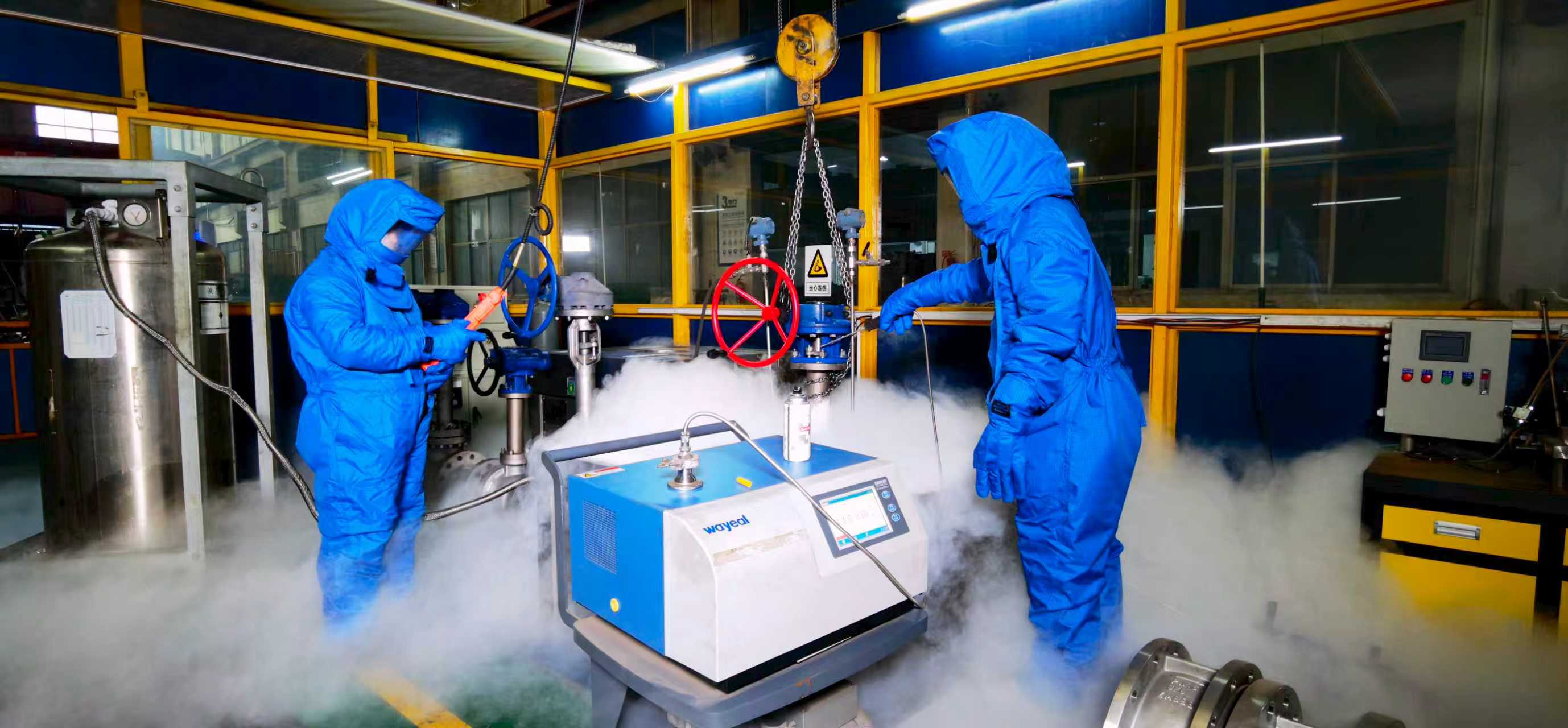
In recent years, valve factories have seen a surge in efficiency thanks to groundbreaking innovations that streamline operations from design to delivery. Advanced technologies like 3D printing and robotics are revolutionizing production lines, enabling faster prototyping and reducing human error. For instance, smart valves with embedded sensors now provide real-time data, allowing for predictive maintenance that slashes downtime and boosts overall productivity.
Another key driver is the integration of digital twins, which create virtual replicas of physical systems to optimize processes before implementation. This not only enhances precision but also cuts waste by simulating different scenarios. Coupled with AI-driven quality control, factories can detect defects early, ensuring higher standards and smoother workflows that outpace traditional methods.
Beyond technology, lean manufacturing principles are being reimagined with digital tools, fostering agile environments that adapt quickly to market demands. These innovations collectively empower valve factories to meet rising global needs while maintaining competitive edges through continuous improvement and cost-effective solutions.
Essential Factors for Valve Quality Assurance
Valve quality assurance hinges on rigorous material selection and manufacturing precision. From casting to machining, each stage demands strict adherence to specifications to prevent defects like porosity or misalignment. Advanced testing methods, such as pressure and leak detection, ensure reliability in demanding environments like oil refineries or power plants. Without these fundamental controls, even minor flaws can lead to costly failures or safety hazards.
Beyond production, quality assurance extends to documentation and traceability. Detailed records of design changes, batch histories, and inspection reports are crucial for compliance with standards like API 6D or ISO 9001. This transparency allows for quick resolution of issues and builds trust with clients, who rely on verifiable data for maintenance planning and regulatory audits in industries like chemical processing or water treatment.
Finally, integrating innovation with established practices sets superior valve assurance apart. Emerging technologies, such as real-time monitoring via IoT sensors or non-destructive testing like ultrasound, complement traditional methods by offering deeper insights into wear and performance. By blending proven techniques with adaptive solutions, manufacturers can enhance durability and minimize downtime, ensuring valves operate efficiently from installation through their lifecycle.
Custom Solutions in Industrial Valve Production
In the demanding realm of industrial valve production, off-the-shelf valves often fall short of meeting specific operational needs, leaving gaps in efficiency and reliability. That's where custom solutions step in, tailoring valve designs to precise environmental conditions, such as extreme temperatures, corrosive materials, or high-pressure systems. By collaborating closely with clients, manufacturers can innovate valve structures, materials, and sealing mechanisms, ensuring seamless integration into complex processes. This personalized approach not only enhances performance but also reduces long-term maintenance costs, making it a strategic investment for industries like oil and gas, chemical processing, and power generation.
Beyond basic adaptations, custom valve production dives deep into niche applications, fostering a culture of problem-solving and engineering excellence. Imagine a valve designed to handle abrasive slurries in mining operations or one with specialized coatings to resist harsh marine environments in offshore platforms. These bespoke creations often involve advanced technologies, such as 3D modeling and computational fluid dynamics, to predict and optimize flow characteristics before fabrication. As a result, companies gain valves that not only meet regulatory standards but also push the boundaries of durability and safety, turning potential operational hurdles into competitive advantages in global markets.
The journey to a custom valve is a collaborative partnership, where manufacturers listen intently to client challenges and iteratively refine designs. This process might include prototyping, rigorous testing under simulated real-world conditions, and continuous feedback loops to fine-tune features like actuation speed or leak prevention. Industries that prioritize sustainability benefit too, as custom solutions can incorporate eco-friendly materials or energy-efficient designs, aligning with green initiatives. Ultimately, custom industrial valve production isn't just about building hardware; it's about crafting reliable, site-specific solutions that empower businesses to operate smoothly and innovate boldly in an ever-evolving industrial landscape.
Emerging Trends in Valve Material Selection
In recent years, the valve industry has seen a significant shift toward materials that offer enhanced durability and corrosion resistance, driven by demands in sectors like oil and gas, chemical processing, and renewable energy. For example, there's growing adoption of super duplex stainless steels and nickel-based alloys, which withstand harsh environments better than traditional options. This trend isn't just about longevity; it's also focused on reducing maintenance costs and improving safety in critical applications, pushing manufacturers to innovate beyond standard materials.
Another key development is the rise of composite materials and engineered plastics in valve construction. Materials like PTFE and PEEK are gaining traction due to their lightweight properties, excellent chemical resistance, and ability to handle extreme temperatures. This move away from heavy metals allows for more efficient designs and easier installation, especially in industries prioritizing weight reduction and energy savings. It reflects a broader push toward sustainability, as these materials often require less energy to produce and can be more recyclable.
Looking forward, smart materials and additive manufacturing are set to reshape how valves are designed and selected. With 3D printing, custom alloys and complex geometries become feasible, enabling tailored solutions for specific operational needs. Integrating sensors and IoT capabilities directly into valve materials could lead to self-monitoring systems that predict failures and optimize performance. This convergence of material science and digital technology promises to make valve selection not just a matter of durability, but a strategic choice for future-proofing industrial systems.
Operational Best Practices for Valve Manufacturers
Effective operational best practices for valve manufacturers emphasize a holistic approach to quality control and supply chain management. Companies that implement rigorous testing protocols at every stage—from raw material selection to final assembly—are better positioned to deliver durable products that meet industry standards and customer expectations. By fostering strong relationships with suppliers and utilizing data analytics for predictive maintenance, manufacturers can streamline production processes and reduce downtime, ensuring timely deliveries and enhanced reliability in critical applications like oil and gas or water treatment.
Beyond technical aspects, innovation in customization and sustainability practices sets leading manufacturers apart. Developing versatile valve designs that adapt to varying pressure and temperature conditions, while incorporating eco-friendly materials and energy-efficient manufacturing techniques, not only meets regulatory demands but also appeals to environmentally conscious clients. This proactive stance helps build a reputation for forward-thinking solutions, positioning manufacturers to capture niche markets and foster long-term partnerships based on trust and shared values.
To maintain a competitive edge, adopting digital transformation tools such as IoT-enabled smart valves and automated monitoring systems is crucial. These technologies enable real-time performance tracking, allowing for proactive adjustments and remote diagnostics that minimize operational disruptions. By integrating these advancements with comprehensive employee training programs, manufacturers can cultivate a skilled workforce adept at handling complex installations and maintenance, ultimately driving efficiency and customer satisfaction through continuous improvement and agile responsiveness to market changes.
FAQ
Forged steel valves excel in high-pressure environments due to their dense, grain-aligned structure from forging, which minimizes voids and enhances strength, typically offering superior resistance to stress and corrosion compared to cast alternatives.
Top facilities employ advanced CNC machining and robotic automation for consistent tolerances, coupled with rigorous in-process inspections using coordinate measuring machines (CMMs) to verify dimensions and surface finishes at each production stage.
Innovations include additive manufacturing for complex prototypes, smart sensors embedded for real-time monitoring, and AI-driven quality control systems that predict defects, reducing downtime and improving safety in critical applications.
Traceability, through digital logs and material certifications, ensures compliance with standards like API and ASME, helps track performance history, and mitigates risks in sectors like oil and gas where failure can have severe consequences.
Challenges involve balancing custom designs with cost-efficiency, sourcing exotic alloys for extreme conditions, and meeting tight deadlines while maintaining stringent testing protocols, often requiring close collaboration between engineers and clients.
Factories adapt by using eco-friendly coatings, reducing waste through lean manufacturing, and adhering to emissions standards, with some investing in energy-efficient forging techniques to minimize their carbon footprint without compromising durability.
Comprehensive testing, including hydrostatic tests, pressure cycling, and NDE methods like ultrasonic inspection, validates integrity under simulated operating conditions, catching flaws before installation to prevent leaks or failures in the field.
Yes, by specializing in bespoke or low-volume orders, leveraging agile production methods, and focusing on exceptional customer service, smaller players can carve out niches despite the scale advantages of larger operations in mass production.
Conclusion
High-pressure forged steel valve manufacturing demands mastery of forging techniques and material innovations to ensure durability. Key techniques like precision forging and heat treating enhance strength, while advancements in automation boost efficiency. Quality assurance relies on stringent testing protocols and continuous monitoring. These elements combined create robust valves capable of withstanding extreme pressures in critical applications.
Factories are increasingly adopting custom solutions and operational best practices to meet diverse industrial needs. Trends in material selection, such as using advanced alloys, improve performance and longevity. Innovations in production processes drive competitiveness, emphasizing sustainability and smart manufacturing. By integrating these insights, manufacturers can deliver high-quality, efficient valves that excel in demanding environments, positioning themselves as leaders in the industry.
Contact Us
Contact Person: Lucas Lin
Email: [email protected]
Tel/WhatsApp: 8613968913000
Website: https://www.zhengmaogroup.com