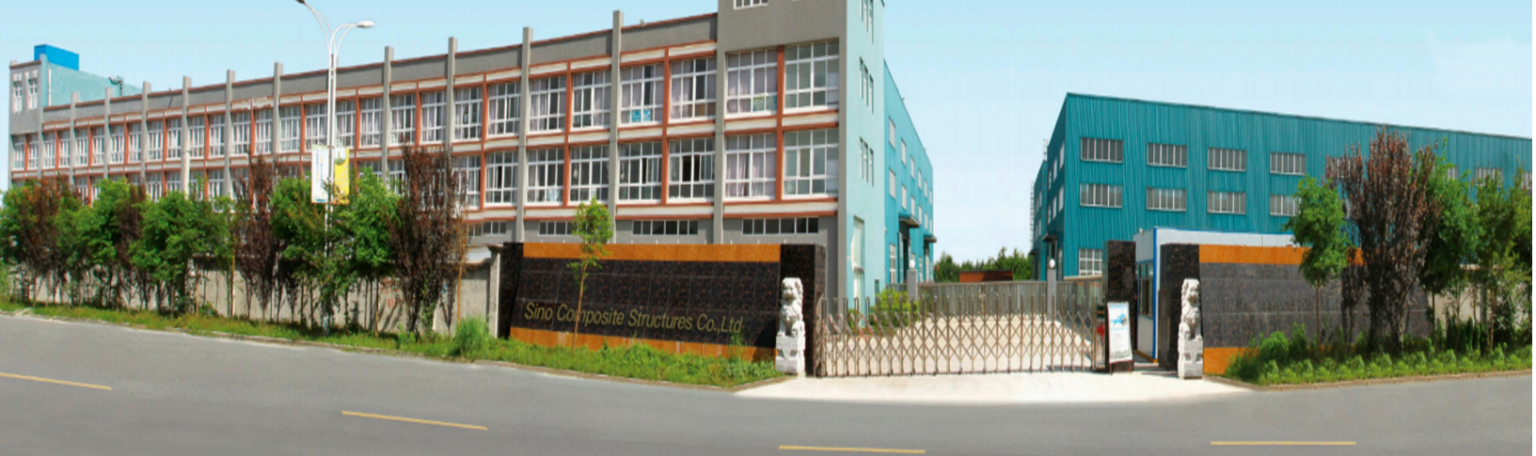

FRP Platform System in China: Innovating Infrastructure Solutions for Modern Engineering
2026-03-09
In the dynamic landscape of modern engineering, China's FRP Platform Systems are revolutionizing infrastructure with innovative solutions that combine durability, versatility, and sustainability. As industries across the globe seek resilient materials for demanding environments, these platforms offer a cutting-edge approach to challenges in construction, industrial settings, and beyond. At the forefront of this transformation is Sino Grating, a brand synonymous with quality and ingenuity in FRP technology. In this blog, we'll explore how China's advancements in FRP platforms are shaping the future of engineering, highlighting key innovations and real-world applications that make them a game-changer. Join us as we delve into the mechanics, benefits, and potential of these systems, inspiring curiosity about their role in building smarter, safer infrastructure.
Innovating Infrastructure Solutions with FRP Platforms in China
In recent years, China has been rapidly adopting fiber-reinforced polymer (FRP) platforms to revitalize its aging infrastructure, with notable projects in coastal regions and urban centers. These lightweight, corrosion-resistant materials are being deployed in bridges, pipelines, and industrial facilities to enhance durability and reduce maintenance costs. Unlike traditional steel or concrete, FRP composites offer a flexible solution that can withstand harsh environmental conditions, such as saltwater exposure in ports or chemical spills in manufacturing zones, making them a popular choice for modernizing critical assets without lengthy downtimes.
One key driver behind this innovation is the integration of smart monitoring systems into FRP platforms, allowing for real-time data collection on structural health and performance. Engineers in China are embedding sensors within the material to track stress, temperature, and deformation, enabling predictive maintenance and early issue detection. This proactive approach not only extends the lifespan of infrastructure but also improves safety, as seen in applications like earthquake-prone areas where FRP-reinforced buildings can better absorb shocks and minimize damage compared to conventional methods.
Moreover, the development of custom-designed FRP platforms tailored to local challenges is setting China apart in the global market. By collaborating with research institutions and private firms, Chinese innovators are creating specialized composites for unique scenarios, such as high-speed rail networks or renewable energy installations. This focus on adaptability and efficiency ensures that infrastructure solutions are not only cutting-edge but also cost-effective, driving sustainable growth and positioning China as a leader in advanced material applications for public works.
Key Features of Modern FRP Engineering Systems
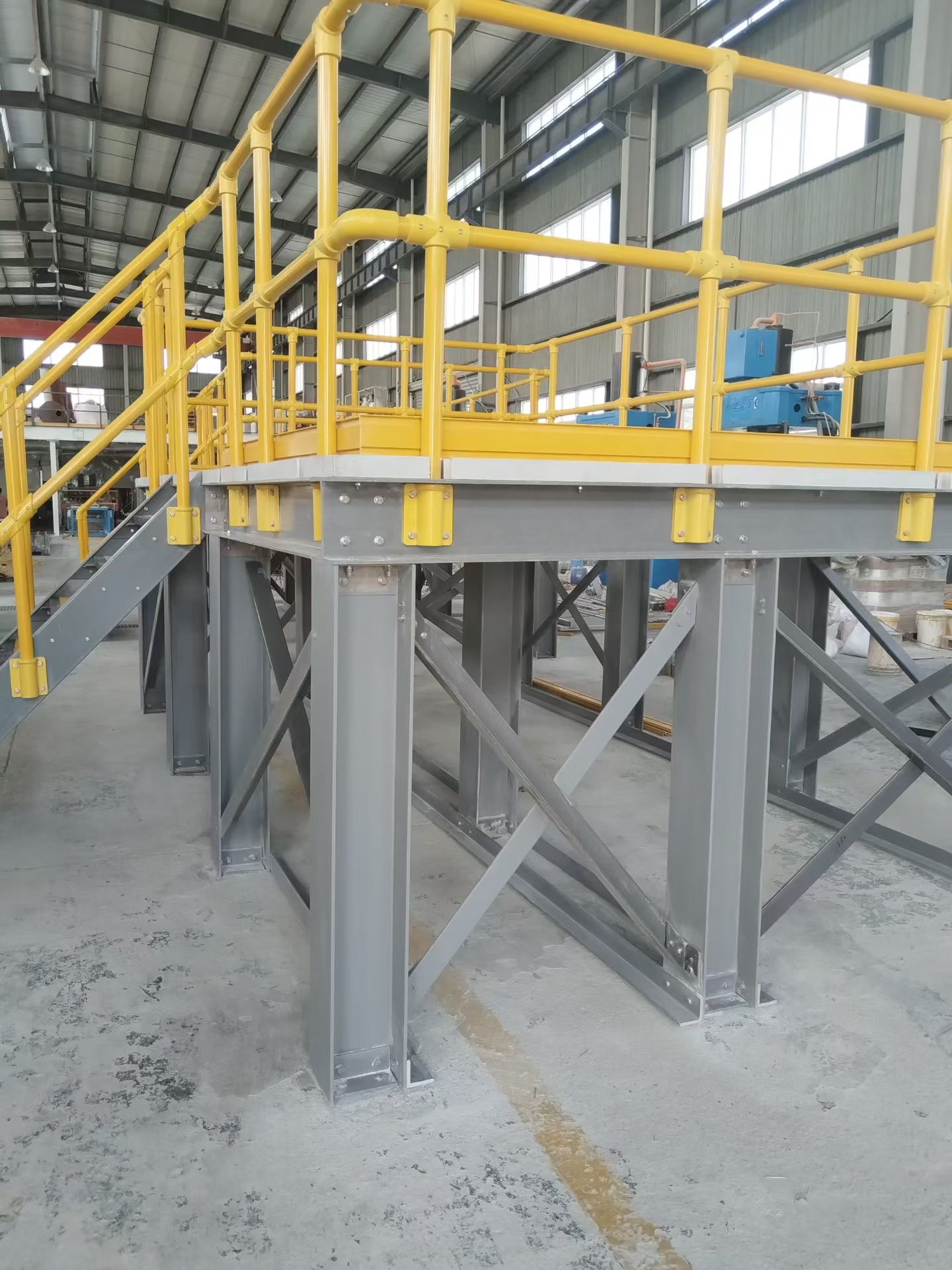
Modern FRP engineering systems stand out by seamlessly integrating advanced materials with cutting-edge manufacturing techniques, allowing for unparalleled design flexibility and structural efficiency. Unlike conventional systems, these solutions leverage fiber-reinforced polymers to create lighter, stronger components that resist corrosion and fatigue, making them ideal for demanding environments from aerospace to marine applications. This adaptability not only reduces long-term maintenance costs but also opens up new possibilities for innovative architectural and industrial designs that were previously unattainable with traditional materials.
A key strength of these systems lies in their ability to deliver high performance while supporting sustainability goals through energy-efficient production and recyclability. By minimizing material waste and optimizing resource use, modern FRP engineering promotes a greener approach to construction and manufacturing, setting it apart in an industry increasingly focused on environmental responsibility. This focus on eco-friendly practices, combined with the durability of FRP, ensures that projects not only meet current standards but also contribute to a more sustainable future, appealing to clients who prioritize both innovation and ecological impact.
Moreover, the integration of smart technologies and real-time monitoring capabilities enhances the functionality and safety of FRP systems, providing ongoing insights into structural health and performance. This proactive approach to maintenance and data-driven decision-making allows for early detection of potential issues, reducing downtime and extending the lifespan of installations. Such technological advancements give modern FRP engineering a competitive edge, offering reliable, long-term solutions that adapt to evolving needs and ensure optimal operation in diverse settings.
Applications Across Various Engineering Sectors in China
In China's engineering landscape, applications span a diverse array of sectors, from traditional infrastructure to cutting-edge technology fields. The country's rapid urbanization has fueled massive projects in civil and structural engineering, such as the construction of high-speed rail networks and skyscrapers that rank among the world's tallest. These endeavors not only address practical transportation and housing needs but also showcase advanced materials and seismic-resistant designs, reflecting a blend of scale and innovation unique to the Chinese context.
Beyond infrastructure, China's engineering applications extend deeply into environmental and energy sectors, where initiatives like large-scale renewable energy installations and smart grid systems are pivotal. For instance, the deployment of solar farms in regions like Qinghai and wind power projects in Inner Mongolia demonstrates a strategic shift toward sustainability, driven by both governmental policies and technological advancements. This focus on green engineering not only mitigates environmental impacts but also positions China as a leader in global energy transitions, integrating local manufacturing strengths with international standards.
In the realm of high-tech engineering, applications are increasingly prominent in areas such as telecommunications, robotics, and aerospace. The rollout of 5G networks across urban and rural areas supports everything from industrial automation to telemedicine, while developments in AI-driven manufacturing and space exploration highlight a push toward self-sufficiency and global competitiveness. These sectors leverage China's robust research institutions and agile startups, creating a dynamic ecosystem where engineering solutions are tailored to both domestic demands and export markets, fostering continuous evolution in application methodologies.
Enhancing Durability and Performance with FRP Technology
FRP technology revolutionizes material science by combining polymers with reinforcing fibers, creating composites that excel in demanding environments. Unlike traditional materials, these composites resist corrosion, impact, and fatigue, ensuring longevity in applications from infrastructure to aerospace. This durability directly translates to reduced maintenance costs and extended service life, making FRP a smart investment for projects prioritizing reliability.
Performance-wise, FRP enhances structural efficiency through its high strength-to-weight ratio, allowing for lighter designs that don't sacrifice robustness. Engineers leverage this property to optimize load-bearing capabilities and dynamic responses, leading to faster construction times and improved energy efficiency in sectors like transportation and renewable energy. The versatility of FRP also supports custom shaping and integration, enabling tailored solutions that boost overall system performance.
Advancements in FRP formulations and manufacturing techniques continue to push boundaries, introducing features such as enhanced fire resistance and environmental sustainability. By adopting FRP, industries not only achieve superior durability and performance but also contribute to greener practices, as many composites are recyclable and produce fewer emissions during production. This dual focus on resilience and innovation positions FRP as a cornerstone for modern engineering challenges.
Sustainability Benefits of FRP in Infrastructure Projects
Fiber Reinforced Polymer (FRP) is gaining traction in infrastructure projects because it offers a unique blend of durability and environmental advantages. Unlike traditional materials like steel or concrete, FRP doesn't corrode easily, which means structures last longer with minimal maintenance. This longevity reduces the need for frequent repairs, cutting down on material waste and the carbon emissions associated with manufacturing and transporting replacements. It's a straightforward win for sustainability, as fewer resources are used over time, making infrastructure more resilient and less burdensome on the ecosystem.
Another key benefit lies in FRP's lightweight nature, which simplifies construction and lowers energy consumption during installation. Since it's easier to handle and transport compared to heavier alternatives, projects often require less heavy machinery and fuel, contributing to reduced greenhouse gas emissions. Additionally, FRP can be produced with recycled materials, further enhancing its green credentials by diverting waste from landfills. This circular approach not only conserves raw materials but also supports a more sustainable lifecycle for infrastructure, aligning with modern environmental goals without compromising on strength or functionality.
Beyond practical perks, FRP helps mitigate environmental impacts through its versatility in retrofitting and reinforcing existing structures. For instance, it can be applied to strengthen aging bridges or buildings without the need for complete demolition, preserving historical assets and avoiding the energy-intensive process of new construction. This adaptability extends the life of infrastructure while minimizing disruption to communities and natural habitats. Overall, FRP stands out as a smart choice for forward-thinking projects aiming to balance performance with long-term sustainability, offering a path toward greener, more efficient infrastructure development.
Future Trends and Developments in FRP Platform Systems
Looking ahead, FRP platform systems are poised to embrace advancements in material science, with researchers exploring novel composites that offer enhanced durability and reduced environmental impact. Innovations like bio-based resins and recycled fibers are gaining traction, aligning with global sustainability goals. These developments could reshape the industry by lowering costs and appealing to eco-conscious markets, making FRP solutions more versatile across applications from infrastructure to renewable energy.
Another key trend involves the integration of smart technologies, such as IoT sensors and real-time monitoring capabilities, into FRP structures. This evolution allows for predictive maintenance, improved safety, and extended service life by detecting stress or damage early. As digitalization accelerates, expect FRP platforms to become more interactive and data-driven, fostering smarter decision-making in sectors like construction and transportation.
On the design front, modular and customizable FRP platforms are emerging, enabling faster assembly and adaptability to diverse needs. This shift towards flexibility supports rapid deployment in emergency situations or remote areas, reducing downtime and labor costs. Coupled with advancements in 3D printing and automated manufacturing, these trends promise to make FRP systems more efficient and user-friendly in the years to come.
FAQ
The FRP Platform System in China is an innovative infrastructure solution that utilizes Fiber Reinforced Polymer materials to create durable and lightweight platforms for modern engineering projects, addressing challenges like corrosion, maintenance, and environmental impact.
It innovates by replacing traditional steel or concrete with FRP composites, offering superior strength-to-weight ratios, faster installation, and reduced long-term costs, thereby enhancing efficiency in construction and sustainability goals.
Key applications include bridges, industrial walkways, offshore structures, and transportation hubs, where its resistance to harsh conditions and minimal maintenance requirements make it ideal for demanding environments.
Advantages include lightweight design that reduces foundation needs, high corrosion resistance extending lifespan, lower lifecycle costs, and improved safety due to non-conductive properties in electrical settings.
By using recyclable materials, reducing carbon footprint through lighter transport and construction, and decreasing waste from repairs, it supports China's green infrastructure initiatives and environmental regulations.
Challenges include initial higher material costs, need for specialized training in handling FRP, and adapting building codes to incorporate new technologies, though these are being addressed through innovation and policy support.
It enhances safety by providing slip-resistant surfaces, fire-retardant options, and structural stability in seismic zones, coupled with ease of inspection and reduced risk of collapse compared to aging traditional materials.
Future trends include integration with smart sensors for real-time monitoring, expansion into renewable energy projects like wind farms, and increased adoption in urban revitalization to modernize aging infrastructure efficiently.
Conclusion
The FRP platform system in China represents a transformative shift in modern engineering infrastructure, with innovations that address both structural and environmental challenges. By integrating advanced FRP technology, Chinese engineers are creating solutions that enhance durability and performance across diverse sectors, from transportation to industrial applications. This development aligns with the nation's push towards more resilient infrastructure, where key features like corrosion resistance and lightweight properties are leveraged to improve longevity and reduce maintenance costs. Additionally, the sustainability benefits of FRP materials contribute to eco-friendly projects, supporting China's goals for greener development while ensuring cost-effectiveness and reliability in the long run.
Looking ahead, the future trends in FRP platform systems in China point towards broader adoption and technological refinement, driven by ongoing research and collaboration across engineering fields. As applications expand into new areas, such as renewable energy and smart cities, these systems are poised to become integral to China's infrastructure landscape. Innovations in design and manufacturing processes are expected to further boost efficiency and environmental impact, making FRP platforms a cornerstone of modern engineering solutions that meet the evolving demands of a rapidly developing nation.
Contact Us
Contact Person: Nicholas Zhu
Email: [email protected]
Tel/WhatsApp: 18921275456
Website: https://www.sino-grate.com