
FRP Manhole Covers: Advanced Materials for Durable and Lightweight Solutions
2026-03-14
When urban infrastructure demands solutions that are both durable and lightweight, FRP manhole covers emerge as a modern answer. These advanced materials are revolutionizing the way cities manage their underground networks, offering superior strength, corrosion resistance, and ease of handling. As industries seek to balance functionality with sustainability, the role of high-quality FRP products becomes increasingly critical. This blog explores the innovative world of FRP manhole covers, delving into their benefits and applications that are transforming urban landscapes. Discover how Sino Grating leads in engineering these cutting-edge solutions, providing insights that will reshape your approach to infrastructure projects.
Understanding FRP Materials in Manhole Covers
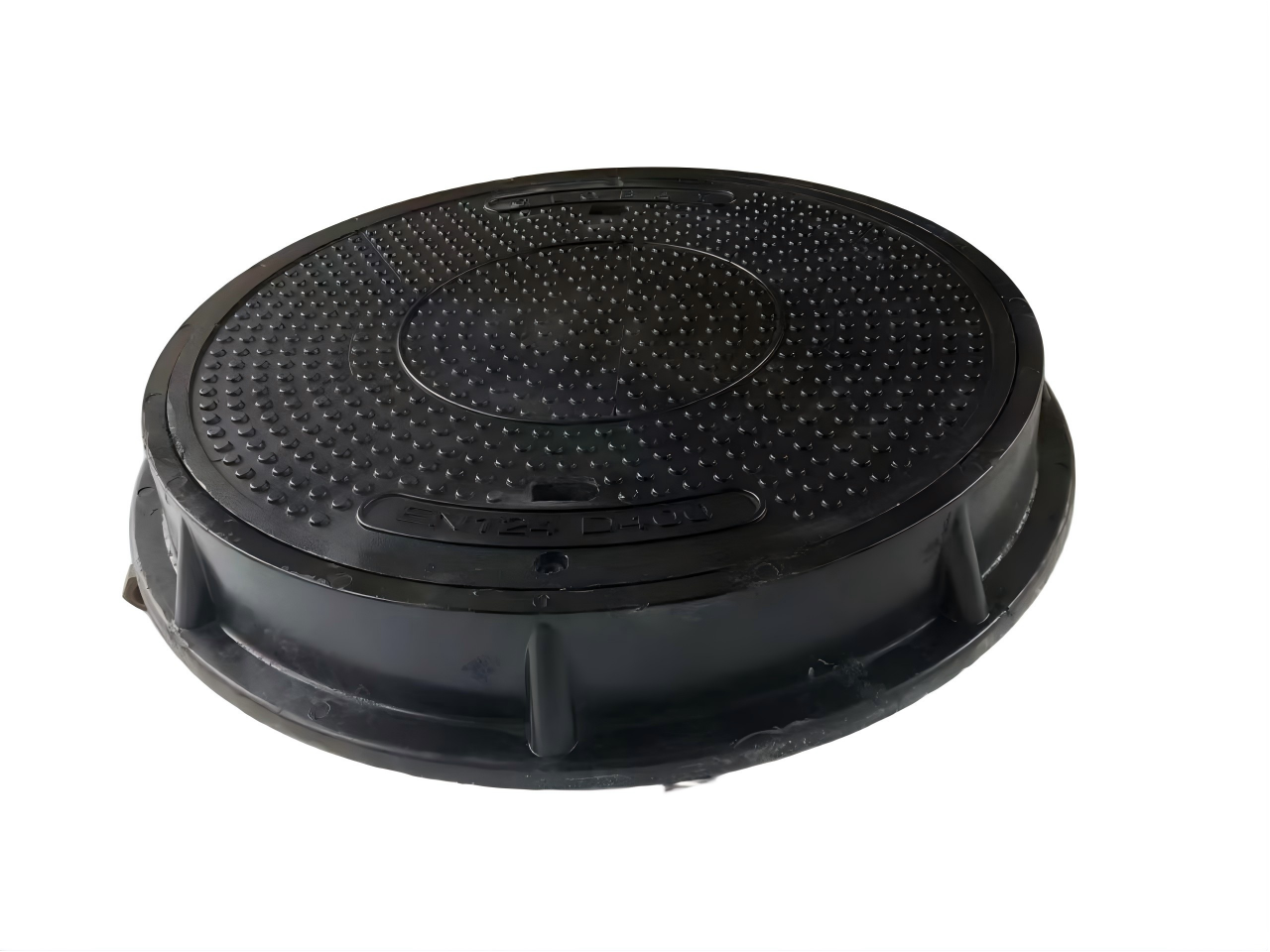
Fiberglass Reinforced Plastic (FRP) manhole covers are making waves in municipal infrastructure, offering a unique material solution that addresses some of the longstanding drawbacks of traditional options. Unlike conventional iron or steel covers, FRP combines the strength of glass fibers with the versatility of plastic resins, resulting in a composite material that's both lightweight and highly durable. This composition allows for easy handling and installation, reducing the risk of injuries and labor costs, while resisting corrosion from water, chemicals, and harsh environmental conditions, ensuring a longer service life in diverse urban settings.
What truly sets FRP apart is its ability to be customized for specific performance needs. Through innovative manufacturing processes like pultrusion or molding, these covers can be engineered with varying fiber orientations and resin formulations to enhance load-bearing capabilities, impact resistance, or slip resistance. This flexibility makes FRP suitable for everything from pedestrian walkways to heavy-traffic roadways, often outperforming metal alternatives in areas prone to rust or where weight restrictions apply. Plus, their non-conductive nature adds an extra layer of safety in electrical or utility applications, minimizing risks of shocks or interference.
Beyond the technical advantages, FRP manhole covers contribute to sustainability and aesthetic appeal in urban design. Their lighter weight reduces transportation emissions, and many are recyclable at the end of their lifecycle, aligning with green infrastructure goals. Visually, they can be molded into various colors and textures, blending seamlessly into streetscapes or even incorporating logos or patterns. As cities increasingly prioritize resilience and efficiency, FRP is emerging as a forward-thinking choice, offering a practical yet innovative upgrade that keeps pace with modern engineering demands.
The Durability Benefits of FRP for Urban Infrastructure
When cities rely on traditional materials like steel or concrete, they're often stuck in a cycle of repairs and replacements. FRP, or fiber-reinforced polymer, steps in as a modern alternative, offering an impressive resistance to corrosion—a major culprit behind infrastructure decay. Imagine bridges or pipes that don't rust or degrade from chemical exposure; this extends their lifespan significantly, cutting down on costly maintenance over the years. It's not just about durability; it's about building smarter for the long haul, giving urban planners a reliable option to tackle aging systems head-on.
Beyond just lasting longer, FRP brings a unique advantage in its lightweight yet strong composition. This makes it easier to install and retrofit in existing urban setups without heavy machinery, reducing disruptions to daily life. For instance, in water treatment plants or underground utilities, FRP components can withstand harsh environments and heavy loads without succumbing to fatigue. It's this blend of toughness and versatility that sets it apart, helping cities adapt to growing demands while keeping infrastructure resilient against wear and tear.
Looking ahead, as cities face challenges from climate change and increased usage, FRP proves to be a forward-thinking choice. Its durability isn't just a technical perk; it translates to safer, more sustainable urban spaces that require less frequent overhauls. By integrating FRP into projects like roadways or public facilities, municipalities can focus resources on innovation rather than constant fixes, ensuring infrastructure that stands the test of time and supports thriving communities.
Lightweight Design Advantages and Installation Efficiency
Lightweight design offers a host of benefits that extend far beyond just saving on materials. For starters, components with reduced mass often translate to lower shipping costs and easier handling on-site, making them a practical choice for projects with tight budgets or logistical constraints. This isn't just about cutting corners – it's about smart engineering that enhances durability and performance without unnecessary bulk. Think of modern building materials like aluminum composites or advanced polymers, which provide strength comparable to heavier alternatives while allowing for more creative architectural freedom and faster assembly times.
Installation efficiency gets a major boost from lightweight solutions, as they typically require less manpower and specialized equipment to put in place. When crews don't have to wrestle with bulky parts, they can work more swiftly and safely, reducing the risk of on-site accidents and delays. This streamlined process means projects wrap up sooner, which is a huge plus for clients eager to see results and start using the space. It's a win-win: faster completion leads to lower labor costs and fewer disruptions, all while maintaining high quality standards that keep everyone satisfied.
Moreover, the synergy between lightweight design and installation efficiency is key for sustainable practices. Lighter structures often have a smaller carbon footprint from production to transport, and quicker installations mean less energy consumption on-site. This approach not only meets modern environmental goals but also appeals to eco-conscious builders and clients. By prioritizing these aspects, industries from construction to manufacturing can achieve more with less, fostering innovation that pushes boundaries while keeping operations smooth and cost-effective.
Environmental and Safety Features of FRP Covers
FRP covers are designed with sustainability at the forefront, often crafted from recyclable materials that reduce environmental impact compared to traditional metal or plastic alternatives. Their lightweight properties lower transportation emissions, while durability ensures longer service life, minimizing waste and frequent replacements. Additionally, these covers are resistant to corrosion and UV radiation, preventing chemical leaching and degradation, contributing to cleaner air and water in industrial settings.
From a safety perspective, FRP covers feature non-conductive surfaces that reduce electrical hazards, making them ideal for applications near power sources or in damp environments. Their slip-resistant coatings enhance worker safety by preventing falls, and they are engineered to withstand extreme temperatures and harsh weather, providing reliable protection without compromising structural integrity. This combination of features helps prevent accidents and ensures compliance with workplace safety regulations.
Moreover, the fire-retardant properties of FRP materials add an extra layer of safety, reducing the risk of ignition in high-risk areas. Their low maintenance requirements and resistance to mold and mildew contribute to healthier environments by minimizing exposure to harmful substances. By integrating both environmental and safety elements, FRP covers offer a holistic solution that supports eco-friendly practices while prioritizing human well-being in various industrial and commercial applications.
Customization and Versatility in FRP Applications
In the world of fiber-reinforced polymers (FRP), the ability to tailor materials to specific needs transforms standard solutions into bespoke engineering marvels. Unlike conventional materials that come with fixed properties, FRP can be engineered from the ground up—adjusting resin types, fiber orientations, and laminate structures to match exact performance criteria. This customization allows engineers to optimize for factors like tensile strength, corrosion resistance, or thermal stability, ensuring each application is precisely fitted to its environment. For instance, in aerospace, FRP components are fine-tuned for lightweight durability, while in marine settings, they're crafted to withstand saltwater erosion, showcasing how material adaptability drives innovation across diverse sectors.
The versatility of FRP extends beyond mere material tweaks, enabling seamless integration into complex designs that would challenge traditional alternatives. Its moldability into intricate shapes—from curved architectural facades to customized medical implants—opens doors to creative applications that blend form and function. This flexibility reduces the need for multiple parts or joints, enhancing structural integrity and streamlining manufacturing processes. In industries like automotive and construction, this means FRP can be molded into aerodynamic body panels or resilient bridge components, cutting costs and boosting efficiency while meeting stringent safety standards.
Embracing FRP's potential often means rethinking design paradigms to leverage its unique advantages. By collaborating early with material specialists, projects can unlock custom solutions that outperform off-the-shelf options, whether it's creating vibration-dampening parts for machinery or fire-retardant panels for buildings. This proactive approach not only extends product lifespans but also fosters sustainability through reduced waste and energy use. As technology advances, the horizon for FRP applications broadens, inviting industries to experiment with hybrid composites and smart materials that push the boundaries of what's possible.
Cost-Effectiveness and Long-Term Value of FRP Solutions
FRP solutions often deliver a surprising balance between upfront investment and ongoing savings, making them a smart choice for projects where durability and low maintenance are key. Unlike traditional materials that might require frequent repairs or replacements, FRP's resistance to corrosion, chemicals, and weathering means fewer disruptions and longer service life, translating into significant cost reductions over time. For instance, in harsh industrial environments, switching to FRP can slash maintenance bills and extend asset longevity, proving its value isn't just about initial price tags.
Looking beyond immediate costs, the long-term benefits of FRP shine in scenarios demanding sustained performance, such as infrastructure or marine applications. Its lightweight nature reduces installation and transportation expenses, while its design flexibility allows for customized solutions that fit specific needs without extra hassle. Over decades, these advantages compound, offering a return on investment that often outpaces alternatives, especially when factoring in reduced downtime and energy efficiency gains from improved thermal properties.
In today's economy, where sustainability and lifecycle costs are increasingly prioritized, FRP stands out by minimizing waste and maximizing utility over its lifespan. From reducing carbon footprints through lower energy consumption in production to enabling recyclability at end-of-life, it aligns with modern environmental goals while keeping budgets in check. This holistic approach ensures that choosing FRP isn't just a technical decision but a strategic one, delivering enduring value that resonates with forward-thinking projects and stakeholders.
FAQ
FRP manhole covers offer high strength-to-weight ratios and corrosion resistance, reducing maintenance needs and extending service life in harsh environments, unlike metal or concrete options.
Their low weight allows for easier handling and installation, reducing labor costs and minimizing the risk of worker injuries during transport and placement.
These covers are typically made from composite materials like fiberglass-reinforced polymers, which can be tailored with additives for UV resistance and fire retardancy.
They excel in coastal areas, chemical plants, and wastewater systems due to their resistance to saltwater, acids, and other corrosive substances without degrading over time.
Features such as anti-slip surfaces and non-conductive properties help prevent accidents and electrical hazards, enhancing public safety in crowded or utility-rich settings.
While initial costs might be higher, long-term savings accrue from reduced maintenance, durability, and lower replacement frequency, making them a cost-effective investment over time.
Yes, they can be molded into various shapes, colors, and sizes to meet aesthetic or functional requirements, and integrated with smart sensors for monitoring infrastructure health.
Conclusion
FRP (Fiber Reinforced Polymer) manhole covers represent a significant innovation in urban infrastructure, leveraging advanced materials to deliver durable and lightweight solutions. Understanding FRP materials reveals their composition of fibers embedded in a polymer matrix, offering exceptional strength-to-weight ratios that surpass traditional materials like cast iron. This durability is particularly beneficial in urban settings, where FRP covers withstand harsh environmental conditions, heavy traffic loads, and corrosive substances without degradation, ensuring long-term reliability. The lightweight design not only simplifies handling and reduces installation time but also enhances safety by minimizing worker strain and the risk of accidents during setup. Furthermore, FRP's versatility allows for customization to fit various applications, from standard covers to specialized designs for specific infrastructure needs.
Environmental and safety features set FRP covers apart as eco-friendly options; they are non-conductive, reducing electrical hazards, and often made from recyclable materials, aligning with sustainable urban development goals. Their corrosion resistance eliminates the need for frequent replacements, contributing to reduced waste and maintenance costs. From an economic perspective, FRP solutions demonstrate cost-effectiveness through lower transportation and installation expenses, coupled with minimal upkeep over their extended lifespan. This long-term value makes them a smart investment for municipalities seeking efficient, resilient, and adaptable infrastructure components that prioritize both performance and sustainability in modern city planning.
Contact Us
Contact Person: Nicholas Zhu
Email: [email protected]
Tel/WhatsApp: 18921275456
Website: https://www.sino-grate.com