
Flat and Profiled Wire Rolling Mills: Top Suppliers and Key Benefits
2026-01-22
In the dynamic world of metalworking, flat and profiled wire rolling mills play a crucial role in shaping materials with precision and efficiency. As industries demand higher quality and versatility in wire production, understanding the top suppliers and their key benefits becomes essential. At GRM, we specialize in innovative solutions that not only meet these demands but also push the boundaries of what's possible. This blog dives into the latest advancements, exploring how leading suppliers are transforming the landscape and why GRM stands out as a trusted partner in this field. Let’s uncover the insights that could revolutionize your operations and spark curiosity about the future of wire rolling.
Exploring Top Flat and Profiled Wire Rolling Mill Suppliers in the Industry
When it comes to flat and profiled wire rolling mill suppliers, a handful of companies have carved out reputations for excellence, often through decades of innovation and customer-centric solutions. These leading players, such as SMS group or Danieli, not only manufacture robust, high-precision rolling mills but also offer comprehensive engineering services that help clients optimize production workflows. By integrating advanced control systems and sustainable technologies, they ensure that their equipment meets stringent industry standards while enhancing efficiency and reducing environmental impact.
One aspect that sets top suppliers apart is their ability to tailor solutions for specific applications, whether it's producing intricate profiles for automotive components or high-strength flat wires for electronics. They invest heavily in R&D to develop materials that withstand extreme conditions and rolling techniques that minimize waste. This adaptability, combined with global support networks, means clients can rely on a seamless setup and ongoing maintenance, making these partnerships invaluable for industries requiring consistent quality and scalability.
Beyond mere machinery, the best suppliers foster long-term relationships by providing training, technology upgrades, and responsive troubleshooting. As the industry evolves towards automation and smart manufacturing, leaders are increasingly incorporating predictive analytics and IoT capabilities into their mills, allowing for real-time monitoring and proactive adjustments. This forward-thinking approach not only boosts productivity but also helps companies stay ahead in competitive markets, solidifying the status of these suppliers as indispensable partners in metal processing.
Key Advantages of Modern Flat Wire Rolling Mills for Manufacturers
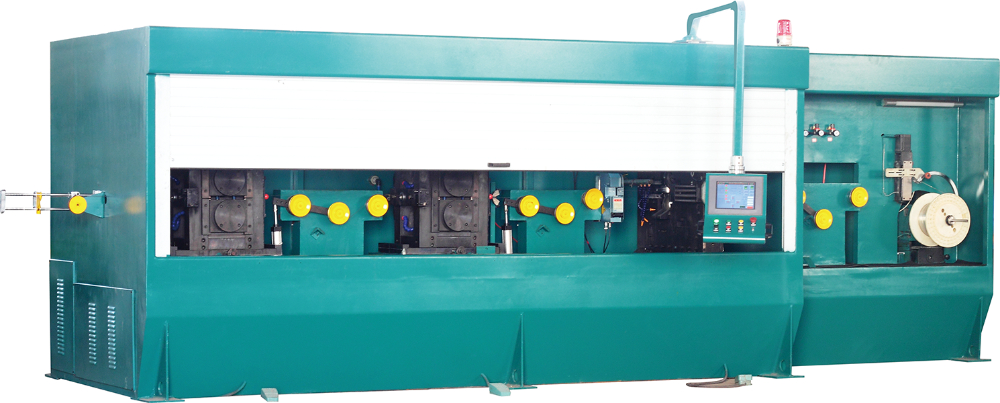
Unlike traditional mills, modern flat wire rolling mills give manufacturers a real edge by enhancing precision and consistency in production. These advanced systems allow tighter control over wire dimensions, reducing material waste and ensuring each batch meets strict specifications, which is crucial for industries like automotive and electronics where even minor variations can affect performance. By integrating smarter technology, they help factories cut costs and boost reliability, making it easier to deliver high-quality products on time.
Another standout benefit is the increased operational flexibility these mills offer, enabling quick adjustments for different wire widths or materials without lengthy downtime. This adaptability translates to faster response times for custom orders or market changes, giving manufacturers a competitive advantage in dynamic sectors like renewable energy and medical devices. With streamlined processes, companies can diversify their output and capture niche opportunities that older equipment might miss.
Overall, investing in modern flat wire rolling technology not only improves efficiency but also supports innovation by allowing experimentation with new alloys and designs, fostering growth in high-value applications.
Innovative Features and Technologies in Profiled Wire Rolling Equipment
Profiled wire rolling equipment now leverages advanced automation systems, enabling real-time adjustments to rolling parameters for optimal precision. This reduces material wastage and enhances product consistency, making the process more efficient and cost-effective.
Integration of IoT sensors allows for continuous monitoring of equipment performance, predicting maintenance needs and minimizing downtime. These smart technologies facilitate seamless data flow across production lines, improving overall operational reliability.
Innovations in die design and materials, such as wear-resistant coatings, extend tool life and maintain high-quality outputs even under demanding conditions, setting new benchmarks in the industry.
How Flat Wire Rolling Mills Enhance Precision and Efficiency in Production
One of the key ways flat wire rolling mills boost precision in production is through their advanced material handling and control systems. Unlike older mill designs that might rely on manual adjustments, modern mills incorporate real-time monitoring and automated feedback loops. This means the wire's thickness, width, and surface quality are constantly measured and corrected during rolling, minimizing deviations and ensuring consistent output. For instance, sensors detect even slight variations in material properties, allowing the mill to adapt instantly—this reduces scrap rates and enhances the uniformity of products like electrical connectors or automotive components, where tight tolerances are critical.
In terms of efficiency, flat wire rolling mills streamline production by integrating high-speed rolling mechanisms with energy-saving technologies. They often use multi-stage rolling processes that gradually shape the wire with less force per pass, reducing wear on equipment and cutting down on power consumption. Additionally, these mills can be designed for continuous operation with minimal downtime, thanks to features like quick-change tooling and automated lubrication systems. This leads to faster throughput and lower operational costs, making them ideal for industries that demand high-volume output without sacrificing quality, such as manufacturing for consumer electronics or medical devices.
Beyond just technical specs, what sets these mills apart is their ability to handle diverse materials—from stainless steel to copper alloys—with equal finesse. This versatility means manufacturers can switch between projects seamlessly, enhancing flexibility and reducing setup times. By combining precision control with robust efficiency, flat wire rolling mills not only meet today's production demands but also adapt to future innovations, helping companies stay competitive in a fast-paced market where every micron and minute counts.
Leading Global Suppliers of Profiled Wire Rolling Mills and Their Offerings
When it comes to profiled wire rolling mills, a few companies stand out for their innovative designs and reliable performance, shaping the industry with tailored solutions. Firms like Primetals Technologies and SMS group have carved a niche by integrating advanced automation and energy-efficient systems into their mills, catering to diverse applications from automotive to construction sectors. Their offerings often include custom-configured lines that handle a wide range of materials, ensuring precision and durability in wire production, which helps clients stay competitive in fast-paced markets.
Beyond these giants, emerging players such as Danieli and Fives are making waves with compact, modular mills that reduce installation time and operational costs. These suppliers emphasize flexibility, allowing manufacturers to easily switch between different wire profiles without extensive downtime. By focusing on user-friendly interfaces and remote monitoring capabilities, they deliver not just equipment but comprehensive support packages, which include training and maintenance services to optimize long-term productivity.
In addition, regional specialists like Nippon Steel's engineering arm often provide niche expertise in high-precision mills for specialized alloys, appealing to industries with stringent quality requirements. Their offerings blend traditional craftsmanship with cutting-edge technology, offering bespoke solutions that address specific challenges in wire forming, such as achieving tight tolerances or enhancing surface finishes. This diversity in the supplier landscape ensures that manufacturers can find partners who truly understand their unique needs, fostering innovation and collaboration in the global market.
Practical Benefits and Applications of Advanced Rolling Mills in Wire Manufacturing
Advanced rolling mills have revolutionized wire manufacturing by offering unparalleled precision and efficiency. Unlike traditional methods, these mills utilize sophisticated technologies like automated control systems and high-speed mechanisms to produce wires with consistent diameters and superior surface finishes. For instance, in the production of electrical wiring, this precision directly translates to enhanced conductivity and reliability, reducing wastage and rework in downstream processes. Manufacturers benefit from lower operational costs and faster throughput, making them competitive in demanding markets such as automotive and construction.
Specific applications extend beyond mere production speed to include specialized wire types that meet modern industry standards. For example, in aerospace and medical device manufacturing, advanced rolling mills enable the creation of fine-gauge wires with exact tolerances required for sensitive instrumentation. This capability has opened doors for innovations like biodegradable surgical wires and lightweight alloy cables, which were previously unfeasible with older equipment. By allowing for tailored material properties and complex shapes, these mills support the development of next-generation products that align with sustainability and performance goals.
Overall, the practical benefits converge on improved quality control and versatility, empowering manufacturers to adapt to evolving customer needs. With real-time monitoring and adaptive adjustments, these mills minimize defects and enhance material utilization, leading to stronger, more durable wires. This not only boosts profitability but also fosters innovation in sectors like renewable energy, where high-performance wiring is crucial for efficiency gains. As industries seek smarter solutions, advanced rolling mills stand out as a cornerstone technology driving both economic and technological progress in wire fabrication.
FAQ
Flat and profiled wire rolling mills are primarily used to produce precision-engineered wires for industries like automotive, aerospace, and electronics, where exact cross-sectional shapes and consistent quality are crucial for components such as electrical contacts, fasteners, and structural parts.
These mills enhance efficiency by automating the rolling process with precise control over dimensions and surface finish, reducing manual labor, minimizing material waste, and enabling faster throughput, which lowers operational costs and increases output consistency.
Key factors include the supplier's experience in the industry, customization capabilities, after-sales support, machine reliability, energy efficiency, and compliance with international standards to ensure long-term performance and adaptability to specific production needs.
Yes, many advanced mills offer customization options to handle various materials like copper, aluminum, and steel alloys, and can be tailored to produce complex profiles such as trapezoidal, oval, or custom geometries, allowing manufacturers to meet unique design requirements.
For SMEs, these mills provide cost-effective solutions with lower initial investment, scalable operations, improved product quality to compete in niche markets, and flexibility to switch between different wire types, enhancing versatility and growth potential.
They support sustainability by optimizing material usage to reduce scrap, incorporating energy-efficient technologies, and enabling recyclable material processing, which helps lower the environmental impact and aligns with green manufacturing initiatives.
Regular maintenance includes routine inspections, lubrication of moving parts, calibration of sensors and controls, cleaning to prevent debris buildup, and timely replacement of worn components, which prolongs equipment life and maintains high precision in production.
IoT integration allows for real-time monitoring of machine parameters, predictive maintenance alerts, data analytics for quality control, and remote operation capabilities, leading to reduced downtime, improved efficiency, and smarter decision-making in production.
Conclusion
The industry of flat and profiled wire rolling mills is dominated by top suppliers who offer cutting-edge equipment designed to meet modern manufacturing demands. Leading global suppliers provide mills with innovative features, such as advanced control systems and automated processes, enhancing precision and efficiency in production. These technologies enable manufacturers to produce high-quality wires with consistent profiles, reducing waste and improving output. By integrating these mills into their operations, companies can achieve greater flexibility in producing various wire shapes, supporting diverse applications across sectors like automotive, construction, and electronics.
Practical benefits of these advanced rolling mills include improved durability, lower operational costs, and enhanced safety features. Manufacturers benefit from key advantages like increased throughput and reduced downtime, thanks to the robust design and smart technologies incorporated by top suppliers. The focus on innovation ensures that modern mills not only meet current industry standards but also adapt to future trends, making them a valuable investment for competitive wire manufacturing. Overall, the synergy between top suppliers and advanced equipment delivers significant operational gains and long-term reliability.
Contact Us
Contact Person: Rayna
Email: [email protected]
Tel/WhatsApp: 86 -173 1474 6343
Website: https://www.grmrollingmill.com/