

Discover the Best Cylinder Head for Maximum Engine Performance
2026-08-10
When it comes to squeezing every ounce of power from your engine, the cylinder head plays a starring role. But not all are created equal—finding the right one can mean the difference between a smooth, high-performance ride and a frustrating lack of punch. That’s where the experts at DDR come in, with a lineup engineered to push boundaries. Ready to discover what makes a cylinder head truly exceptional? Let’s dive in and unlock your engine’s hidden potential.
Why the Right Cylinder Head Matters More Than You Think
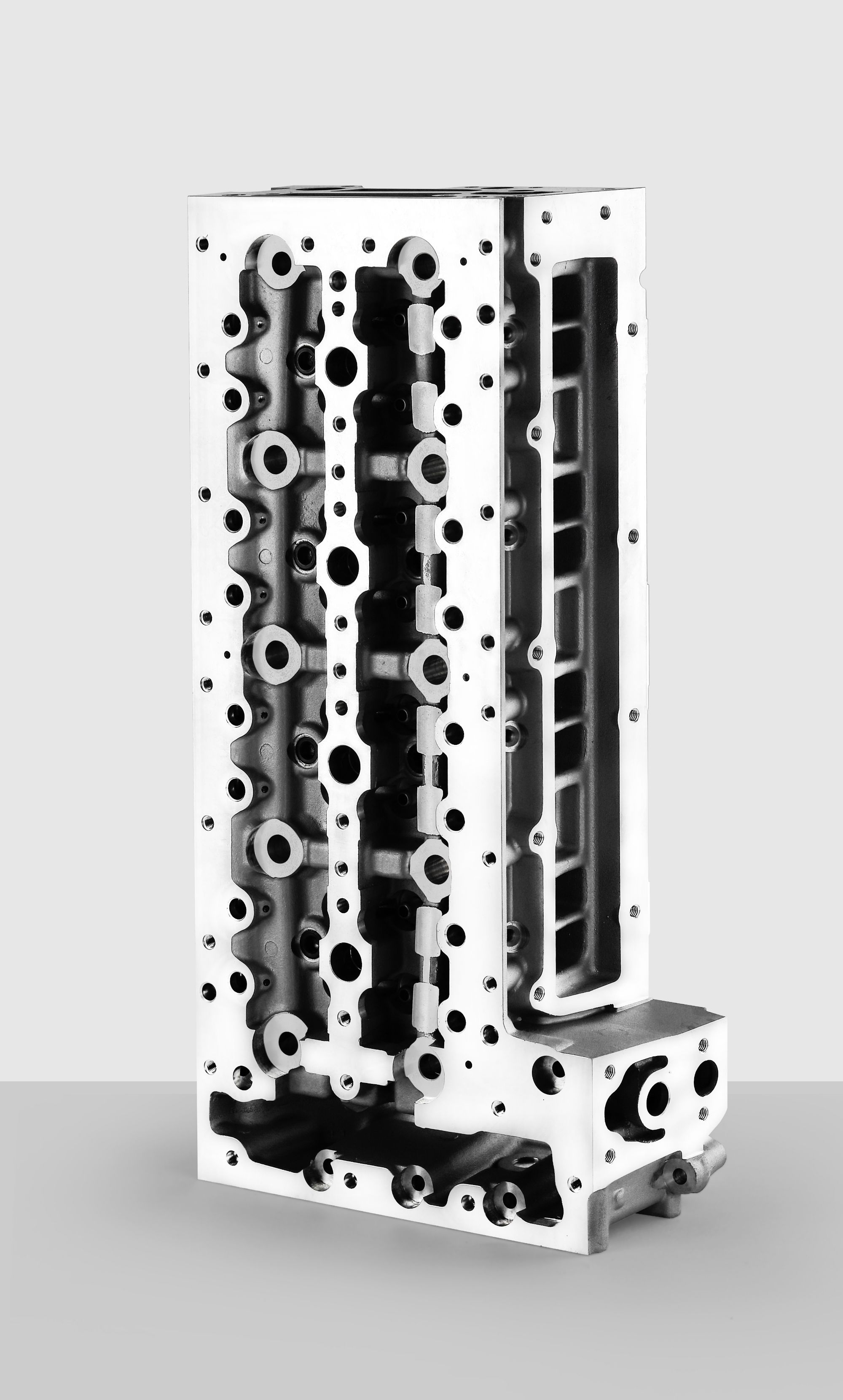
The cylinder head is far more than just a lid for the combustion chamber. It shapes the engine's airflow, dictates compression ratios, and houses critical components like valves and spark plugs. A well-designed head optimizes the mixture of fuel and air, ensuring complete combustion that directly translates to horsepower and torque gains. Conversely, a poorly matched head can suffocate an otherwise potent engine, leading to hot spots, knock, and wasted potential. This is why the right casting and port geometry are essential—they determine how effectively your engine breathes under both low- and high-RPM loads.
Material choice plays a quiet but pivotal role. Aluminum heads dissipate heat faster, allowing for higher compression without the risk of detonation, while iron heads offer durability in heavy-duty applications. Even the smallest details, such as the valve angle and spark plug location, influence flame propagation and thermal efficiency. When a head is selected or machined to match the camshaft profile and intended use—whether for street driving, towing, or racing—the difference in throttle response and fuel economy can be startling. It's not uncommon for a quality aftermarket head to unlock 30-50 additional horsepower with no other changes.
Longevity and reliability also hang on this component. Cylinder heads endure relentless thermal cycling and pressure spikes, making them prone to cracking if the alloy is inferior or the design lacks proper coolant routing. A warped head leads to blown head gaskets, coolant loss, and eventual engine failure. Investing in a head that matches your engine's operating range and power goals isn't merely about performance—it’s about safeguarding the entire rotating assembly. In the end, the right cylinder head transforms an engine from a simple air pump into a precisely tuned machine that delivers where it counts.
Aluminum vs. Iron: The Real Story Behind Heat and Durability
When it comes to cookware, the aluminum versus iron debate often centers on heat conduction and longevity. Aluminum heats up and cools down almost instantly, giving you razor-sharp control when you're searing a delicate fillet or scrambling eggs. That responsiveness, though, comes with a trade-off: it doesn't hold heat well, so dumping a cold steak into a hot aluminum pan can cause a drastic temperature drop and an uneven sear. Iron, on the other hand, is famously slow to heat but once it's hot, it behaves like a thermal battery. This makes it ideal for tasks that demand steady, intense heat, like blackening fish or achieving a deep, caramelized crust on a burger. You’re not fighting the pan’s ebb and flow the way you might with aluminum, but you do need patience and a bit of forethought to get it up to temperature.
Durability is where the story gets interesting and often misunderstood. Raw aluminum is soft and prone to warping and scratching, which is why quality aluminum pans are almost always anodized or clad with stainless steel. Anodizing transforms the surface into a hard, non-reactive layer that shrugs off metal utensils, but it can still chip if abused. Iron’s durability isn’t about hardness – it’s about indestructibility. Cast iron can crack if dropped on tile or subjected to extreme thermal shock, but under normal cooking conditions, it’s nearly immortal. The seasoning on an iron pan acts as a living shield; even when it gets damaged, a quick re-seasoning brings it back. With aluminum-based nonstick coatings, once they scratch, the pan is essentially done. In terms of lifespan, a well-maintained iron skillet often becomes an heirloom, while an aluminum pan, even a high-end one, typically has a finite life measured in years, not decades.
Maintenance and everyday use further separate the two. Iron demands a ritual: dry it thoroughly, oil it lightly, and never let it soak. Neglect it, and rust creeps in almost vindictively. Aluminum, especially anodized or clad, is refreshingly low-maintenance – most pieces go straight into the dishwasher without complaint. However, acidic foods like tomato sauce can react with exposed aluminum, leaching a metallic taste, which is why many aluminum pans rely on stainless steel interiors. Iron, with its seasoned patina, develops a natural nonstick surface over time and actually improves with use, subtly enriching flavors. The real question isn't which material is better, but what trade-offs you’re willing to make between instant control and robust, heat-soaking power, between dishwasher convenience and a pan that gets slicker with every meal.
Port Shape Secrets That Add Real Power
A deep dive into port design reveals that subtle changes in geometry can unlock astonishing output. A simple flared exit reduces turbulence and chuffing, allowing the air mass to move with greater efficiency. The result is tighter, more authoritative bass that seems to defy the driver's size. It's the difference between a drafty hallway and a well-swept auditorium—the air simply knows where to go.
Then there’s the overlooked power of a slot port, especially when shaped with a gradual taper. By stretching the port along the cabinet’s edge, you exploit boundary reinforcement while lowering air velocity at the mouth. This not only extends the low-end reach but also cleans up the midrange, removing the boxy colorations that plague lesser designs. It feels like the driver is breathing freely, without the cabinet getting in the way.
Sometimes, the secret is in a curve. A gently bent port, swirled like a nautilus shell, can dramatically reduce standing waves. This means less resonance in the pipe and more clean energy delivered to the room. It’s a quiet revolution that makes you wonder why straight tubes were ever the default. The cabinet transforms from a box into a finely tuned instrument that amplifies intent, not distortion.
How Airflow Turns Ordinary Engines into Beasts
Airflow isn't just about feeding an engine; it's about reshaping its entire personality. When you optimize the intake and exhaust paths, you unlock a hidden potential that transforms a mild-mannered commuter into a snarling predator. The rush of cool, dense air into the cylinders doesn't merely mix with fuel—it awakens a raw ferocity that reshapes the power curve into something far more aggressive. Suddenly, throttle response sharpens, the revs climb with eerie urgency, and the once-predictable engine now surges with a newfound eagerness to devour the road.
The magic lies in how air moves under pressure. Restrictive factory components choke the engine, forcing it to fight for every breath. By swapping in larger throttle bodies, free-flowing manifolds, and performance-tuned intake runners, you're not just reducing resistance—you're teaching the engine to inhale like a deep-sea diver surfacing for air. The exhaust side plays an equally critical role: scavenging spent gases creates a vacuum that pulls in the next charge with even more force. This synchronized dance between intake and exhaust turns the engine into a self-perpetuating air pump that generates power far beyond its original design.
The result is an engine that feels alive, almost violent in its delivery. Every tap of the accelerator gets answered with an immediate shove into the seat, accompanied by a deeper, more resonant growl from the intake. It's the difference between playing a tune on a dusty piano and commanding a full orchestra at full crescendo. That's the beast hiding inside every internal combustion engine, just waiting for the right path of air to set it free.
The Critical Break-In Routine Nobody Tells You About
There’s a quiet ritual that separates those who just own a pair of boots from those who truly break them in. It happens away from the mirror, far from the first scuff on concrete. You’ll find it in the way a person sits alone at the end of the day, gently flexing the leather with their thumbs, tracing the curve where the toe cap meets the sole. No shortcuts — just time, pressure, and a willingness to let the material learn the shape of you before you ever step outside.
Most guides tell you to wear thick socks and suffer through blisters. They skip over the deep conditioning, the way you should work mink oil into the heel counter until it softens without collapsing. They don’t mention the hours spent crinkling the shaft by hand, creating subtle folds that map your ankle’s natural movement. This is the invisible architecture of comfort — one that demands you listen to the boot, not dominate it. When you finally slip them on, they don’t fight back; they cradle.
The real break-in isn’t about the boots at all. It’s about recalibrating your own patience, learning to trust a slow process in a world that peddles quick fixes. Each evening spent massaging the leather becomes a quiet rebellion against disposability. And when someone asks why your boots feel like they’ve been yours for years, you’ll know the secret isn’t in the wearing — it’s in the preparing before the first step ever lands.
Small Tweaks That Make Big Differences at the Pump
Sometimes the smallest adjustments yield the most surprising results, and fueling up is no exception. Instead of filling your tank at the hottest time of day when fuel expands and you get less energy density per gallon, try hitting the station early in the morning or late at night when the ground is cooler. It sounds almost too simple to matter, but the cumulative effect over months of driving can be noticeable.
Another often-overlooked trick is how you hold the nozzle. Engaging the trigger at the slowest setting minimizes vapor creation and reduces the amount of fuel that gets sucked back by the pump's vapor recovery system. Pair that with a habit of tightening your gas cap until it clicks at least three times, and you might be surprised to find your fuel gauge holding steady a bit longer between fill-ups. These aren't myths—they're little physics-backed shortcuts that most people never bother with.
It's also worth mentioning tire pressure, though not in the way you'd expect. Yes, properly inflated tires reduce rolling resistance, but the real secret is checking them more often than your scheduled maintenance recommends. Even a five-degree drop in temperature can sap pressure, and that tiny sag hits your wallet far harder than most drivers realize. A portable pressure gauge left in the glovebox makes this a thirty-second habit that can stretch every tank.
FAQ
The cylinder head sits on top of the engine block, sealing the combustion chamber and housing the intake and exhaust valves, spark plugs, and often the fuel injectors. Its design directly affects how air and fuel enter the cylinders and how exhaust exits. A well-designed head improves volumetric efficiency, meaning the engine breathes better, which leads to more power and torque across the rev range.
Start by defining your goals: are you building a torquey street engine or a high-revving race motor? Match the head's intake runner volume and valve sizes to your engine's displacement and camshaft profile. Also consider combustion chamber size, as it affects compression ratio. Materials matter too—aluminum dissipates heat faster and is lighter, while cast iron is more durable under extreme heat. Don't forget to verify clearances with your piston design and valve lift.
Aluminum heads are much lighter, typically saving 40–50 pounds off the front of the car, and they conduct heat better, which can allow for a slightly higher compression ratio without detonation. Cast iron heads are tougher and resist warping under sustained high temperatures, making them a common choice for heavy-duty or turbocharged applications. Aluminum is easier to repair and modify, but iron usually costs less up front.
Absolutely. The cylinder head is the single biggest restriction in most engines. Swapping from a restrictive stock head to a high-flow aftermarket design can unlock 20–50 horsepower or more, especially if you match it with a better cam and intake. The key is improving airflow velocity and reducing pumping losses. Even on a mildly modified engine, a head swap often yields gains you can feel.
Watch for symptoms like white smoke from the exhaust, coolant loss without visible leaks, overheating, milky oil on the dipstick, or rough idle. These often point to a cracked head or a blown head gasket. You might also notice a loss of compression in one or more cylinders, leading to misfires and reduced power. Catching these early can save your engine from major damage.
Porting reshapes the intake and exhaust runners to smooth out restrictions and improve flow. It's not just about making them bigger—bigger isn't always better. Proper porting focuses on eliminating sharp edges, aligning the ports with the valve seats, and sometimes increasing runner volume to match the engine's demand at high RPM. A good port job can raise the head's flow by 10–30% without sacrificing low-end torque.
Conclusion
The cylinder head isn't just another piece of metal bolted onto the block—it's where the real magic of combustion happens. Your choice directly shapes how efficiently air and fuel mix, ignite, and push against the pistons. Many enthusiasts overlook this, assuming any aftermarket head will do, but even a slight mismatch can choke horsepower potential. Aluminum heads save weight and dissipate heat quickly, allowing higher compression without detonation, while iron heads take abuse and retain heat for steady, relentless torque. The real divider, though, lies in port geometry—subtler than just “bigger is better.” A well-designed port uses velocity and tumble to pack the cylinders, not just dump mixture in. When airflow becomes a priority with the right valve angles, bowl blending, and manifold matching, an ordinary engine transforms. Suddenly, throttle response sharpens and peak numbers soar, proving that air management is horsepower's native language.
Once the hardware is selected, the story isn't over. The first few miles—the break-in—make or break longevity. It's not just about gentle driving; it's about controlled heat cycles and proper lubrication to seat valves and rings without scuffing. Most skip this ritual and wonder why compression drops. Beyond that, small tweaks to ignition timing and fuel curves after the head swap can extract hidden efficiency. These incremental adjustments often mean double-digit gains on the highway and at the pump, proving that the best cylinder head is only the beginning. The real mastery lies in tuning it to your engine's unique personality, where every degree of timing and every drop of fuel pay back in drivability and miles per gallon.
Contact Us
Contact Person: Shelly
Email: [email protected]
Tel/WhatsApp: 8613967667688
Website: https://www.yongyu.com/