

DC Combiner Box Supplier Checklist for Safe and Efficient Solar Systems
2026-09-04
Choosing the wrong DC combiner box supplier can quietly undermine your solar project—from fire risks to efficiency losses, the trouble often starts in this overlooked component. This checklist cuts through the noise, helping you evaluate suppliers for safety and long-term performance. At Chang Song, we've seen too many systems fail because buyers skipped these critical checks. Here's what to look for before you commit.
Checking the Enclosure Before You Trust the Spec Sheet
That sleek spec sheet might list materials with impressive names, but the real story emerges when you run your fingers along the edges. A poorly fitted panel or a flexing chassis won't show up in the marketing photos, yet those flaws define daily use far more than the listed dimensions do.
Take a moment to press on the corners, check the alignment of seams, and feel how the device reacts to a slight twist. Listen for creaks, notice any sharp edges, and see whether the finish smudges or scratches easily. These hands-on checks reveal whether the enclosure was engineered with care or just styled to look good in a render.
Numbers can claim rigidity and premium materials, but only a physical inspection tells you if the build quality matches the brochure. Before you commit based on a spec sheet, trust your own hands and eyes—they'll catch what the datasheet never could.
When Overcurrent Protection Ratings Don’t Match the Real Array
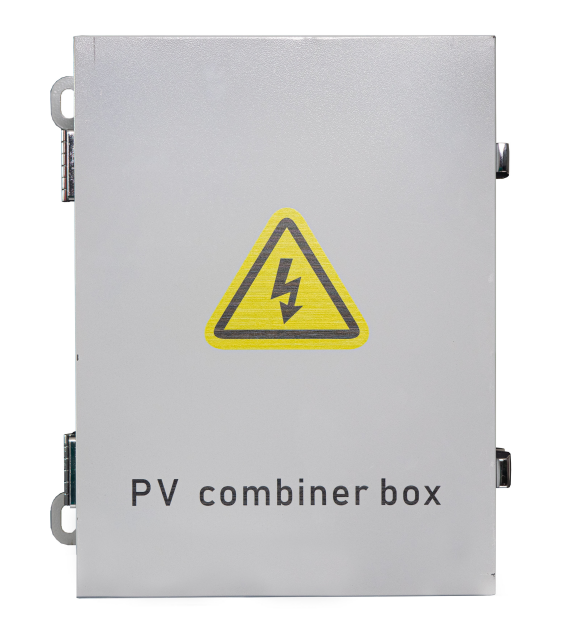
Designers often size overcurrent protection using nameplate short-circuit current and a standard safety factor, but real arrays routinely drift beyond those assumptions. Bifacial gain, cooler-than-expected cell temperatures, or sustained irradiance above 1000 W/m² can push actual fault currents noticeably higher. When the installed fuse or breaker rating sits too close to normal operating current, nuisance trips become a recurring headache; when it sits too high, conductors may not be protected under true fault conditions.
A common example shows up in bifacial installations. The backside contribution can add 10–20% to short-circuit current depending on ground albedo and row height, yet the protection rating may still be based on monofacial STC values. In cold, sunny weather that same array can produce even more current, widening the gap between design assumptions and field reality. The result is either a protective device that opens during routine operation or one that fails to clear a legitimate overcurrent event.
Closing the gap starts with recalculating maximum available current using actual site data, module temperature coefficients, and bifacial performance where applicable. Protection settings should then be chosen to ride through normal peaks while still providing a safe margin for fault clearing. Field verification after the first full-sun season helps catch mismatches early, allowing adjustments before repeated trips or unprotected conductors become a larger reliability issue.
Reading Certifications Without Getting Lost in the Fine Print
Certifications often come with pages of dense text that can bury the essential details. Instead of trying to parse every clause, focus on what actually affects your daily use: renewal requirements, scope limitations, and any prerequisites for claiming compliance. Many readers waste time on legal disclaimers when the real decisions hinge on a few practical points.
A helpful trick is to skim for recurring terms like "must," "shall," or "within," which usually signal obligations or deadlines. Ignore marketing language and look for the section that spells out exactly what the certification covers. If something feels contradictory, check the definitions or contact the issuing body rather than guessing from the fine print.
Finally, keep a short list of questions as you read. Does this certification expire? What happens if I fall out of compliance? Are there hidden costs for audits? By filtering the text through these questions, you extract the actionable meaning without drowning in legal jargon.
Why Cable Entry Space Changes Everything on Install Day
When the cable entry space is cramped, every pull becomes a battle. You end up fighting the bend radius, forcing connectors through gaps barely wider than the cable itself, and watching insulation scrape against rough edges. Installers burn through gloves, curse under their breath, and the clock runs out before the panel is even half dressed.
Give that entry point real room, and the whole morning shifts. Cables glide in without kinking, service loops sit naturally, and you can actually see what your hands are doing. That extra inch or two means fewer bruised knuckles, cleaner terminations, and a panel that doesn't look like a nest of stressed copper.
The difference shows up long after the truck pulls away, too. Future moves, adds, and changes become simple instead of surgical. What felt like a small layout decision on paper turns out to be the thing that made install day calm rather than chaotic.
Monitoring Claims That Survive a Week of Bad Weather
A week of heavy rain, wind, or hail tends to separate serious claims from noise. Many initial reports get withdrawn once the weather clears and adjusters take a closer look. The claims that remain active after those seven days usually point to real structural or operational damage, so they deserve closer attention than the early surge.
Monitoring this surviving set means checking daily for status changes, new photos, or repair estimates that arrive late. Some policyholders wait until a second storm passes before reporting the full extent of water intrusion. Others revise their initial descriptions after contractors open up walls or roofs. These updates rarely show up in automated dashboards unless someone is actively looking for them.
It also helps to compare each surviving claim against local weather timelines and timestamps. A claim that stays open without new evidence can be a sign of slow processing, but it can also indicate an attempt to push unrelated damage into a covered event. Tracking those patterns over a rolling week gives you a clearer picture of which claims actually belong in the queue.
Warranty Clauses That Reveal How a Supplier Handles Failures
A supplier's warranty language often reads like legal padding until something breaks. The real story hides in the details: what counts as a "defect," how long each component is covered, and whether labor costs are included or quietly excluded. A supplier that limits coverage to parts only, with a short claim window and a long list of voiding conditions, is signaling that it expects failures and wants to shift blame elsewhere.
Look closely at the remedy section. Some suppliers promise repair or replacement, but only after you ship the failed item back at your own expense and wait through a lengthy inspection. Others offer advanced replacements or on-site service, which reveals a commitment to keeping your operations running rather than just meeting a contractual minimum. The difference between "we'll fix it if we have to" and "we'll make it right fast" often lives in a single clause.
Warranty exclusions are equally telling. A supplier that carves out everything from power surges to normal wear-and-tear may be protecting thin margins, but it also admits that its product is fragile under real-world conditions. By contrast, a supplier that covers misuse up to a point, or extends coverage for known stress points, is demonstrating confidence in its own design and a willingness to absorb some cost of failure. Reading these clauses closely before purchase is cheaper than learning the hard way after installation.
FAQ
Start with their track record in solar projects similar in scale to yours. Ask for case studies or references where their boxes have been running for at least two years without major failures. A supplier who hesitates on this usually hasn't done enough outdoor installations.
UL 1741 and IEC 61439 are the core ones for North America and Europe respectively. Also check if they have TUV or CE marks when applicable. But don't stop at certificates—request the actual test reports to confirm they cover the voltage and current ranges you're designing for.
It's often underestimated. Look for NEMA 4X or IP65 and above, especially if the site has dust, humidity, or coastal salt spray. The best suppliers will offer optional anti-corrosion coatings or stainless steel bodies instead of just powder-coated steel. Ask about UV stability of gaskets too; cheap rubber degrades fast.
A combiner box is only as good as its internals. Confirm the supplier uses recognized brands for fuse holders, DC breakers, and SPDs, not unbranded clones. Also check the busbar material: tinned copper is preferred over aluminum in high-current paths because it lowers hot spots and thermal stress.
If your array has unusual string counts or you need specific monitoring integration, yes. But be wary of suppliers who customize everything from scratch—that often means longer lead times and less field testing. A balanced approach is a supplier with proven standard platforms that allow modifications like extra fuse positions or pre-wired communication ports.
Missing torque labels on terminals, inconsistent wire routing, and overly thin busbars are quick visual tells. Ask about their production testing: every box should undergo a dielectric withstand test and a functional check before shipping. If they only batch test, move on. Also listen for vague answers about warranty claim rates.
Request their warranty terms in writing—look for at least 5 years on enclosure and 2 years on electronics. Then test their responsiveness: send a technical question before purchasing and see how long they take to reply. A supplier that gives you a direct engineer contact, not just a sales rep, is more likely to support you during commissioning.
Not always, but extremely low bids almost always cut corners on surge protection ratings or enclosure thickness. Compare quotes by normalizing to cost per protected string per year, factoring in expected lifetime and maintenance. A box that costs 20% more but avoids one service call pays for itself.
Conclusion
A datasheet can look flawless on screen and still hide problems you only catch by unboxing the enclosure yourself. I always start there, checking the gland plate thickness, door seal compression, and whether the latch actually lines up after a few open-close cycles. A combiner box that leaks or flexes under thermal load will fail long before the fuses do. Then there is the mismatch nobody talks about: the overcurrent protection ratings on paper often assume a clean, cold array that never matches the real rooftop. If the supplier cannot explain how their fuse sizing behaves with your actual string current, bifacial gain, or high ambient temperature, walk away. Certifications are the next trap. An ETL or UL mark on the marketing page means little until you pull the certificate number and confirm which model, which revision, and which internal components were actually tested. I have seen stickers on doors that do not match the busbar layout inside, and that discrepancy only shows up when an inspector digs into the fine print.
Cable entry space is the unglamorous factor that decides whether install day runs smooth or turns into a field modification. Two bottom knockouts and a shallow wire gutter look fine in a rendering but become a curse with 10 AWG PV wire, a torque wrench, and limited bending radius. Ask for a physical sample or a dimensioned drawing with actual cable bend arcs, not just the enclosure outline. Monitoring claims deserve equal skepticism. A vendor can demo a cloud dashboard in an office, but the real test is a week of rain, voltage dips, and string imbalance. Demand to see fault logs from a site with real weather, not a staged report. Finally, read the warranty as a behavior profile. Does the supplier replace a whole unit for a melted fuse holder, or do they pro-rate, exclude surge damage, and hide behind "installation error"? Clauses about who pays for shipping, who decides root cause, and how fast an RMA ships tell you exactly how they handle failures. A supplier confident in their build rarely writes a warranty that evaporates on the first claim.
Contact Us
Contact Person: Tonglun Chen
Email: [email protected]
Tel/WhatsApp: 8618906642555
Website: https://www.cncsele.com