

Custom Walk-In Glass Door Cooler: Design Ideas to Elevate Your Retail Space
2026-11-16
What makes shoppers pause in front of a cold case instead of walking past? Often it's not the temperature—it's the way the space is framed and lit. A custom walk-in glass door cooler lets you shape that moment, from clear sightlines to accessible shelving. If you want retail design that works as hard as your inventory, ART has ideas to elevate your store.
Frameless Glass Doors That Let Products Do the Talking
The first thing you notice about a frameless glass door is what you don't notice. There's no thick metal border cutting across your line of sight, no shadow falling over the product inside. In a well-lit display, the glass practically disappears, leaving only the item itself to hold attention. That's the whole point. Whether it's a limited-edition sneaker, a precision watch, or a handmade ceramic, the product becomes the only visual story in the room.
This approach works especially well in spaces where every detail matters. Without a frame, the edges of the cabinet or shelving unit can be designed to match the surrounding wall, creating a floating effect. The hardware is usually minimal: thin hinges, discreet handles, or even push-to-open mechanisms. The result feels less like a storage unit and more like a stage. Customers don't think about the door; they think about what's behind it.
Of course, there's a practical side too. Frameless glass doors tend to use thicker tempered glass, which can handle daily use without warping or discoloring. Cleaning is straightforward, and there are no grooves where dust collects. For retailers and designers, it's a quiet upgrade that lets the merchandise carry the conversation.
Lighting Angles That Make Chilled Drinks Glow, Not Glare
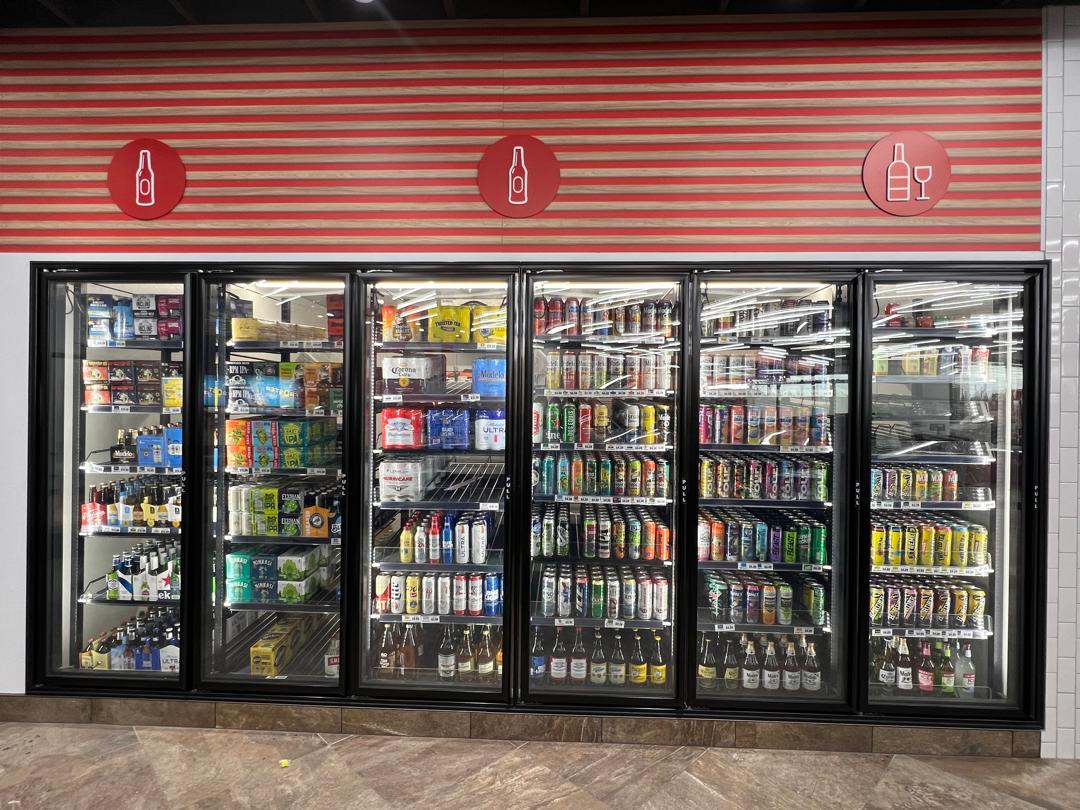
Forget pointing a spotlight straight at the glass. The moment you do, every droplet of condensation turns into a tiny mirror, and the drink itself vanishes behind a wall of white reflections. Instead, nudge your key light off to one side—somewhere between 30 and 60 degrees from the camera—so it skims across the surface rather than punching through it. That slight angle lets the liquid pick up a soft, directional glow while the glass edges catch just enough rim light to separate from the background.
A second light placed low and behind the drink works like a secret ingredient. Tilt it upward at a shallow angle and let it graze the back of the bottle or glass. This creates a gentle halo around the chill line where cold meets warmer air, making the condensation sparkle without turning it into blown-out specks. If you’re working with a colored beverage, that same backlight will deepen the hue and give the whole scene a quiet, premium feel that front lighting never delivers.
When you want a hint of drama, push the side light a little further around—almost to the 90-degree mark—and raise it slightly above the drink’s shoulder. You’ll get a thin blade of highlight that traces the curve of the glass, leaving the rest in soft shadow. Add a small bounce card opposite the key light to keep the label legible, and suddenly the bottle looks less like a product shot and more like something you’d reach for on a humid afternoon.
Shelving Systems That Flex With Seasonal Inventory
Seasonal shifts don't have to mean tearing down and rebuilding your storage layout every few months. Look for shelving with slotted uprights and clip-in shelf brackets—these let you change shelf heights in seconds without tools, so bulky winter coats get taller bays while spring accessories use tighter spacing. Some systems also offer depth-adjustable shelves or add-on side panels, giving you the freedom to shape the unit around what's actually in stock.
Rolling units with heavy-duty casters earn their keep when inventory turns over fast. Instead of hauling products to a fixed wall of shelves, you can wheel entire sections to the stockroom for restocking, then roll them back out once the season peaks. A few locking casters keep everything stable on the sales floor, while a modular frame design means you can snap two units together during the holiday rush and separate them when things slow down.
The clearest sign of a flexible system is how quickly your team can reorganize it. That might mean sliding shelf dividers to fit odd-shaped packages, swapping in wire baskets for small seasonal items, or lowering a top shelf to create a temporary display surface. When the shelving adapts to the inventory instead of the other way around, you spend less time fighting the fixture and more time moving product.
Smart Defrost and Low-E Glass for a Clear View Every Time
Fogged-up doors are the quickest way to hide your best-selling items. Smart defrost takes a different route than the timer-based cycles found in older units. It reads the actual frost buildup on the evaporator and only runs a short, targeted defrost when needed. The result is less temperature swing inside the case and glass that stays clear without constant manual wiping.
Low-E glass does more than just look clean. Its coating reflects heat back into the case while keeping the outer pane closer to room temperature. That small difference stops condensation from forming in the first place, even in humid store conditions. You get a transparent barrier that protects product freshness without turning into a mirror of moisture.
Together, the two features cut down on routine cleaning and let the merchandise do the selling. Shoppers can see labels, colors, and textures without opening the door, which also helps hold the cold air where it belongs. It is a quieter fix than it sounds—just clearer glass, steadier temperatures, and fewer interruptions during the day.
Turning Your Cooler Into a Quiet Brand Ambassador
A cooler doesn't need to shout to make an impression. When the lid closes with a soft, confident thud and the only sound is the faint clink of ice settling into place, it sends a message: this brand cares about the small details. Quiet operation becomes a form of respect for the people around you, whether you're at a backyard barbecue or tailgate in a crowded lot.
Think of your cooler as a silent spokesperson. Every time someone hears that solid, no-rattle close or notices the smooth glide of a latch, they experience a touchpoint that's more powerful than any loud advertisement. The absence of squeaks, bangs, or flimsy vibrations tells them the product was engineered with intention, and that level of craftsmanship naturally extends to their perception of your entire brand.
Designing for quiet isn't about muting personality. It's about choosing materials that dampen instead of amplify, molding handles that feel solid without clanking, and testing hinges until they move with a whisper. When your cooler becomes a quiet brand ambassador, it doesn't interrupt conversations—it elevates them, turning every use into a subtle, memorable endorsement.
Placement Tricks That Pull Shoppers Toward the Cold Aisle
Supermarkets have long known that the cold aisle can feel uninviting—glass doors, chilly air, and a sense of separation from the rest of the store. One of the simplest pulls is scent. Bakeries and deli counters often waft warm aromas near the entrance, but placing a small sample station with fresh berries or chilled yogurt just before the dairy section works in the same way. The contrast between warm, sweet smells and the crisp air ahead makes shoppers pause and step closer.
Visual cues matter more than most managers realize. Bright, warm-toned lighting just outside the cold aisle creates a soft transition zone, while the aisle itself stays cool and white. Floor decals shaped like melting ice or fresh leaves can guide feet without a single word. Even the angle of the endcap matters: angling a freezer endcap 15 degrees toward the main traffic flow instead of flush against the wall increases turns into the aisle by a noticeable margin.
Cross-merchandising is the quiet workhorse. Stacking waffle cones near the ice cream freezer, or placing chilled dips next to the chip display, gives shoppers a reason to open that cold door. When the product itself invites the next purchase, the cold aisle stops feeling like a detour and starts feeling like a destination.
FAQ
A custom unit is built around your store's layout and product mix, so you can adjust shelf spacing, lighting angles, and even door configurations. It turns cold storage into a visual focal point instead of a box against the wall.
Consider sliding doors if aisle clearance is tight, or curved glass for a softer look that doesn't feel bulky. Frameless designs also help the cooler recede visually, making the room feel larger.
LED strips with a color temperature around 3500K to 4000K tend to flatter fresh food and beverages. Position lights along the mullions or inside the canopy to reduce glare on the glass and highlight product labels.
Yes, many retailers use them for flowers, skincare, or even tech accessories that need climate control. The glass front lets customers browse the chilled selection while keeping inventory protected and neatly displayed.
Stick to upgrades that serve a daily function, such as adjustable shelving, anti-fog glass, or a custom floor ramp. Overcomplicating the exterior with heavy branding can date the space and distract from the merchandise.
Brushed stainless steel trim, dark walnut shelving, or matte black frames create contrast without looking industrial. For a warmer grocery or cafe vibe, use wood-grain panels on the lower section and keep the glass clean and minimal.
If it's subtle, like etched lettering or a small decal at eye level, it can reinforce your brand. Avoid large window wraps because they block the view inside and make the cooler feel less inviting.
Placing the doors too close to checkout, ignoring airflow clearance, or not planning for restocking traffic. Leave at least 36 to 48 inches in front of the doors and position the cooler where shoppers naturally turn.
Conclusion
A custom walk-in glass door cooler isn't just another cold box—it's a stage for your merchandise. Frameless doors remove the visual clutter of thick frames, so bottles and packages seem to float, letting the products themselves do the selling. The right lighting angles matter more than brightness: a soft wash from above or behind the shelves can make chilled drinks look crisp and inviting, while harsh overhead spots create distracting glare that hides labels. Pair that with shelving that adjusts in minutes, not hours, and you can shift from summer's slim cans to winter's bulky bottles without a single dead zone on display.
Clear glass only works if it stays clear. Smart defrost cycles and Low-E coatings prevent fog and condensation from ruining the view, and they do it quietly behind the scenes, so your staff isn't wiping doors all day. Once the cooler looks this good, it becomes more than storage—it's a quiet brand ambassador. Custom edge lighting, subtle logo etching, or even a signature color on the frame can reinforce your store's identity. Finally, don't underestimate placement: angling the cooler toward high-traffic paths, using a bold floor pattern that leads to the cold aisle, or placing a popular grab-and-go item near the entrance can pull shoppers in before they even realize they're thirsty.
Contact Us
Contact Person: Ellen
Email: [email protected]
Tel/WhatsApp: +86-535-2229725
Website: https://www.artrefrigeration.com/