

Custom Machine Washable Movers Blanket Options That Make Moving Easier
2026-11-28
Moving day has a way of turning even simple furniture into a scratch-prone obstacle course. Standard moving blankets often come up short: they slip, hold odors, and usually end up in the trash after one messy job. That is where custom machine washable movers blanket options make a real difference. With sizes and features built around your needs, you get easier handling and better protection without the one-time-use mindset. Top Packaging offers washable choices that keep your move cleaner and your next project ready to go.
Cut to Fit the Awkward Furniture You Already Own
A cabinet that sits half an inch too tall for the sloped ceiling can make the whole room feel off. Instead of shoving it against another wall, mark the interference, take the legs or top section off, and trim along the waste side of the line with a fine-tooth blade. Sand the raw edge back to the same finish, then touch it up with wax or paint that already matches the piece.
Some fixes are less about whole panels and more about small interferences. A drawer that catches the window stool or a door corner that scrapes the ceiling can often be reshaped without dismantling anything. Trace the obstruction onto the surface, cut only the section that needs to disappear, and finish the new edge with iron-on edging or a stain pen so the adjustment reads as intentional rather than improvised.
Before the saw comes out, check whether the part you are about to cut carries weight or hides joinery, and tape the cut line to keep veneer from splintering. The goal is not a perfect factory edge; it is getting that stubborn piece to finally sit where you need it without looking like it fought you.
Washable Fabric That Bounces Back From Mud and Coffee
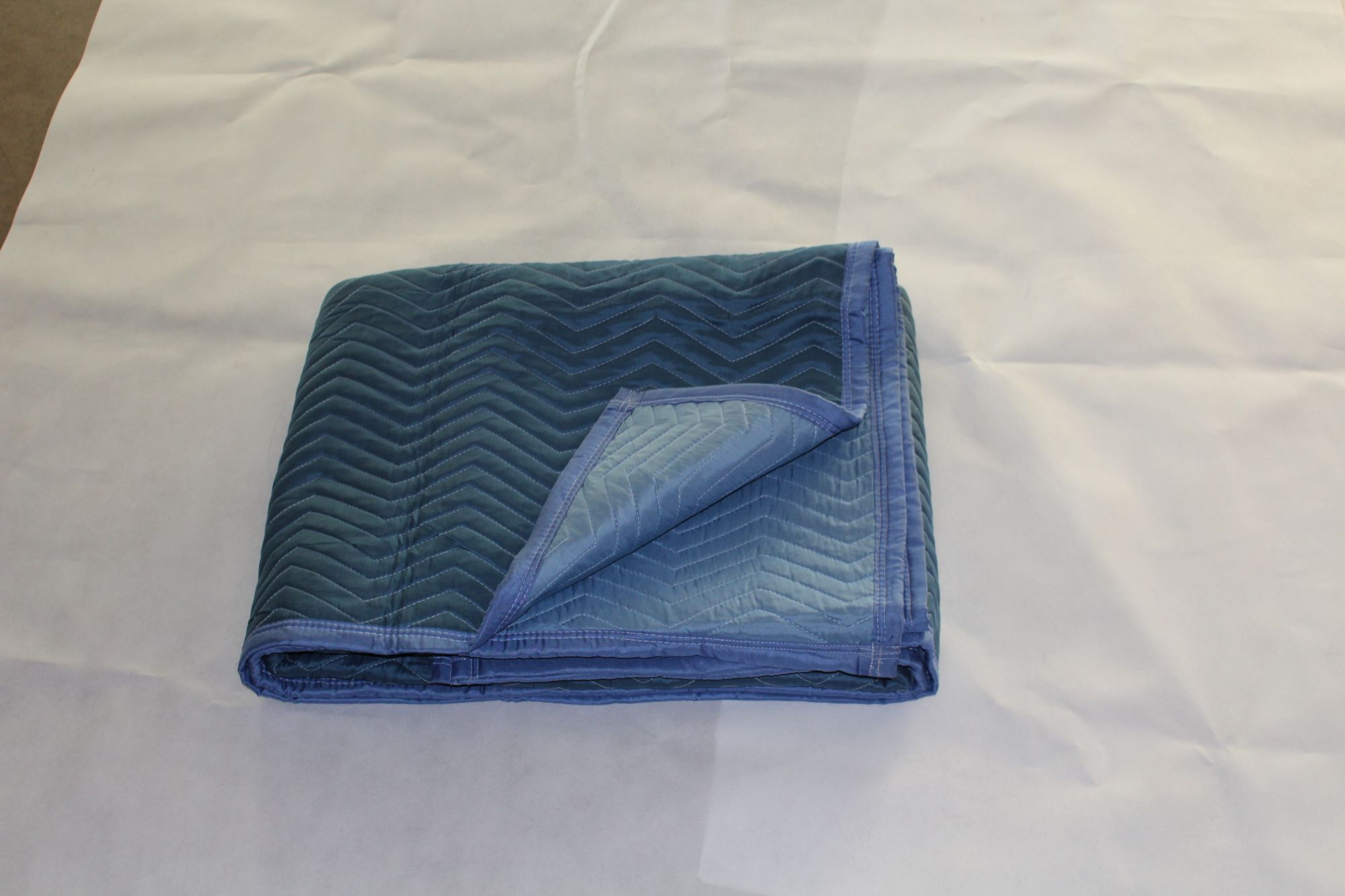
Most so-called stain-resistant fabrics still hold onto a faint shadow of the spill, especially when it comes to something as dark as coffee or as gritty as dried mud. This one behaves a little differently. After a splash or a scuff, the liquid tends to sit on the surface just long enough for you to wipe it off with a dry cloth. If you miss that window and the mess dries, a quick shake or a light brush is usually all it takes to send the particles tumbling away. The weave itself does much of the work, leaving little for the stain to grip onto.
What makes it feel less like a lab experiment and more like something you'd actually want on a sofa is that the texture hasn't been sacrificed for performance. There's no stiff, rubbery film or plasticky sheen. The fibers are tightly spun but still soft, so the surface stays comfortable against skin while keeping liquids from sinking in. That balance matters when the same fabric has to survive a spilled latte at eight in the morning and a dog jumping onto the cushions after a rainy walk by noon.
Families with young kids tend to notice the difference within the first week. A forgotten cup of juice, a muddy sneaker print, a dropped spoonful of chocolate spread, none of them become permanent features of the furniture. Instead, the mess dries, cracks slightly, and flakes off with minimal effort. A damp cloth handles whatever remains, and the fabric returns to looking the way it did before the accident. That kind of recovery, repeated over and over without fading or thinning, is what turns a novelty into something you stop thinking about entirely.
Stitched Edges That Hold Up to Door Frames and Stairwells
The binding along the edges is built for the two places rugs usually fail first: the pinch point under a door and the riser of a staircase. Each side is stitched close to the edge, so the material cannot lift, curl, or get snagged when a door sweeps over it or when shoes graze the stair nose.
Instead of a stiff sealed edge that can crack under repeated pressure, the stitching moves with the rug. That flexibility keeps the corner flat against the floor without bulking up enough to block a door’s swing or change the clearance under a stair tread.
Daily wear stays concentrated at the edge, but the dense thread keeps the weave from opening up. The result is a cleaner line that survives vacuum passes, sliding furniture, and the constant shuffle of foot traffic without fraying.
Room Labels That Make Unpacking Less of a Guessing Game
Most moving boxes end up labeled with nothing more than a room name, and that is where the guessing begins. A box marked kitchen could hold plates, cleaning supplies, or the random drawer contents you swept in at the last minute. Instead, write the room plus a quick clue about what is actually inside. Something like kitchen - everyday dishes and coffee setup tells you which box to open first when you want a normal morning without digging through three identical cartons.
Color coding works even faster than words. Pick a different tape color or marker shade for each room, then put a matching swatch or sticky note on the doorframe before the movers arrive. After a long moving day, your tired brain only has to match blue to blue or green to green. It also helps anyone who is helping you carry boxes know exactly where to set things down, so you are not shuffling stacks around later.
For boxes that hold the things you will need in the first twenty-four hours, a simple number system saves a lot of frustration. Label one or two cartons with 1 and a note like open me first - shower curtain, bed sheets, phone chargers. That way the truly urgent items do not disappear behind a wall of boxes that can wait until tomorrow.
Thickness Choices That Match What You're Actually Moving
Thickness isn't a number you pick off a chart because it looks safe—it's a decision driven by the weight, shape, and fragility of the load sitting on your forks. A pallet of shrink-wrapped boxes doesn't need the same jaw depth as a stack of steel pipes, and using the wrong gauge either wastes material or risks a slip that costs more than the fork itself. The real trick is matching the bend resistance to the distance between the fork heels and the load's center of gravity, not just the gross weight stamped on the pallet.
Longer loads amplify the problem: move the same 2,000 pounds from a compact crate to a 12-foot bundle, and the effective stress at the fork face jumps because the moment arm stretches out. That's when a thicker cross-section earns its keep, not by being overbuilt for show but by keeping deflection small enough that the load doesn't creep or tilt during a turn. Operators who measure fork drop under a known load before committing to a thickness tend to replace fewer pairs and spend less time strapping unstable stacks.
What you're actually moving changes by shift, so the smartest approach is to test with representative loads—not just the heaviest one—and watch how the forks recover after setting the load down. A slight permanent set means the steel has been pushed past its useful range, regardless of what the datasheet says. Choosing thickness this way turns a catalog spec into a field decision, and that's what keeps a lift truck productive instead of parked for repairs.
Breathable Weave That Prevents That Musty Storage Smell
Stored gear often picks up that sour, closed-in odor because moisture gets trapped inside the fibers and has nowhere to go. This weave avoids that by leaving enough open structure between the threads for air to move through even when the item is folded on a shelf or packed into a bin. Instead of holding dampness against the surface, it lets a slow exchange of air carry moisture away before it can settle in.
The benefit is most noticeable after long stretches in a closet or under a bed. Because the material does not rely on a tight, sealed finish, it dries faster once the surrounding air shifts. That small amount of airflow makes it harder for mildew and bacteria to get established, which is what usually creates the stale storage smell in the first place.
When you pull the item back out, it tends to smell neutral rather than like the inside of a storage tote. A quick shake or a short time in the open air is usually enough, and there is less need to wash something before using it simply because it has been packed away.
FAQ
A cotton-polyester blend tends to resist shrinking and tearing better than 100% cotton, especially in hot water cycles. Some suppliers also offer a recycled fiber core with a polyester shell, which keeps the cost reasonable while still surviving frequent machine washing.
Yes, many suppliers allow you to specify length and width in a small range, not just standard 72 by 80. If you provide the piece dimensions, they can cut panels to cover deep dressers, long headboards, or wrap-around sectional arms without wasting fabric.
Look for double-stitched binding around the perimeter and webbing strips stitched into the corners. Some versions also include corner straps or hook-and-loop tabs, which help the blanket stay put on a slippery sofa or rolled rug during a carry.
If each room or load gets its own edge color, you can spot the right blanket before unwrapping it. It cuts down on sorting time at the new place and helps the crew know which blankets go back on the truck for the next trip.
A lighter option around 5 to 6 pounds per blanket is usually enough for wood chairs and end tables, while a heavier quilted blanket in the 8 to 10 pound range gives better protection for dressers, appliances, and large glass tops. Lighter blankets are also easier to fold and launder at home.
Some polyester-faced blankets dry much faster than padded cotton types and resist mold if stored slightly damp. Choose a version with a breathable backing or thinner foam layer if overnight drying speed is a priority.
For a two-bedroom apartment, a starting set of 10 to 12 blankets covers the usual mix of dressers, tables, chairs, and boxes without constant refolding. If you buy a matching set in two or three edge colors, you can separate rooms on the truck instead of numbering every piece by hand.
Conclusion
Moving often forces you to wrap odd-shaped pieces in whatever fabric is nearby, which rarely stays put. A custom-cut blanket solves this without turning your living room into a sewing project. The material can be trimmed to follow the contours of a curved table leg or a bulky armchair, so corners and edges get real protection. Because moving day tends to include rain, dust, and spilled coffee, the washable fabric is easier to live with than standard felt blankets that hold stains and odors. You can wash it in a regular cycle, let it dry, and use it again for the next trip. The stitched edges also matter more than they first appear. Tight seams keep the blanket from catching on door frames, railings, or stairwell corners when you are angling a couch through a narrow hallway. That reinforcement stops the fabric from tearing and leaving fibers across the floor.
Beyond basic padding, these blankets offer options that match the actual load. Lighter weights work for boxes and small shelves, while heavier versions make sense for dressers, appliances, and anything with sharp metal corners. Having that choice means you are not paying for bulk you do not need or using something too thin for a heavy piece. Room labels printed or stitched into the blanket edge remove guesswork when the truck arrives. Instead of opening three boxes labeled "miscellaneous," movers can see "bedroom" or "kitchen" at a glance and carry items straight to the right room. The breathable weave is another quiet improvement. It lets air move through the fabric instead of trapping dampness, so blankets stored in a garage or basement do not develop that stale, musty smell before the next move. Combined, the details make packing feel less like wrapping furniture in leftover cloth and more like using a tool built for the job.
Contact Us
Contact Person: Shelly
Email: [email protected]
Tel/WhatsApp: 86-577-64286522
Website: https://www.topmovingpad.com/