

Custom Healthcare RFID Wristbands: Revolutionizing Patient Care and Data Accuracy
2026-06-19
In the fast-paced world of healthcare, even a tiny data mix-up can lead to critical errors. That’s driving a quiet revolution powered by custom RFID wristbands, which are transforming patient tracking, medication safety, and real-time data access like never before. At the forefront of this shift is BAOBI, delivering wristband solutions that don’t just keep up—they set new standards for accuracy and care.
Bridging the Gap Between Patient Identity and Digital Records
Matching patients with their digital records remains a deceptively complex challenge in modern healthcare. When a person visits multiple providers, laboratories, or pharmacies, fragments of their health history scatter across incompatible systems, each using different naming conventions, address formats, or even typographical errors. A slight misspelling of a surname, a hyphenation discrepancy, or a change in insurance identifiers can create duplicate records or misattributed data, leading to delayed care, redundant testing, or medication errors. Bridging this gap requires more than just technical fixes; it demands a fundamental rethinking of how identity is verified and linked at every touchpoint without introducing friction for clinicians or patients.
Traditionally, healthcare organizations have relied on probabilistic matching algorithms that weigh personal details like name, date of birth, and Social Security number, but these methods carry an inherent margin of error and often fail to account for cultural naming variations or human input mistakes. Emerging approaches shift toward patient-controlled identity verification, using biometric markers or decentralized digital wallets that give individuals portable, tamper-resistant proof of who they are. When a hospital or clinic can cryptographically confirm that the person in front of them is linked to a precise, longitudinal digital record, the reliance on error-prone demographic guesswork subsides, and care coordination becomes seamless across settings.
The true bridge is not a single technology but a layered strategy where human-centered design meets rigorous data governance. Training staff to recognize and resolve identity anomalies, standardizing patient intake processes, and building in real-time alerts for potential duplicates are as critical as the algorithms themselves. When implemented thoughtfully, these practices transform the patient identity challenge from a nagging source of clinical risk into a foundation for personalized, continuous care—one where a person’s complete health story is always within reach, no matter where they seek treatment.
How RFID Wristbands Drastically Reduce Data Entry Mistakes
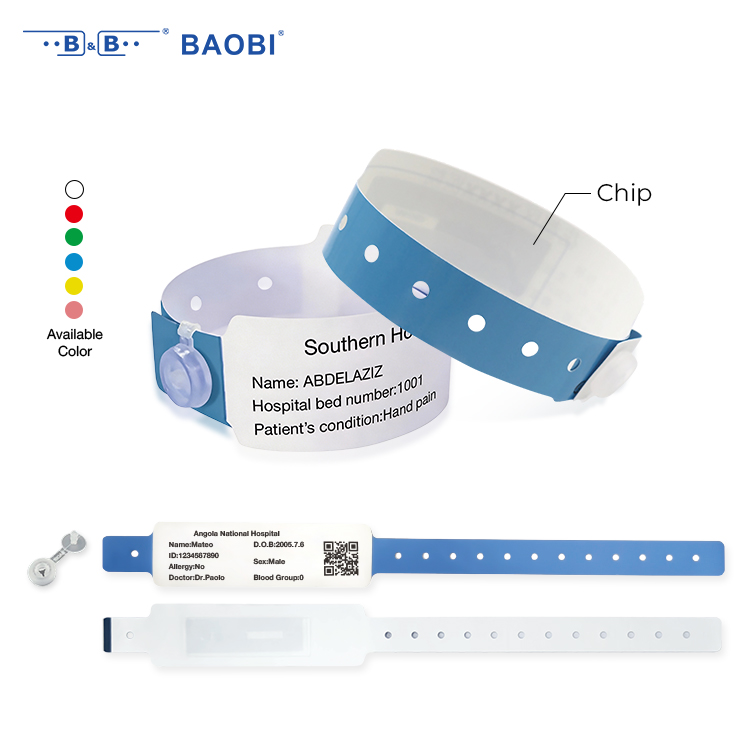
Manual data entry is inherently messy—typos, misread forms, and simple oversight creep in when staff juggle long lines or fast-paced environments. RFID wristbands sidestep these pitfalls by holding unique digital identifiers that machines read instantly, cutting out the middle step of human interpretation. One quick scan replaces a dozen keystrokes, and suddenly the room for error shrinks to nearly zero.
Think of a busy music festival where volunteers log entry passes. With paper tickets, a smudged number or a tired volunteer’s slip can send the wrong person through the gate. RFID wristbands flash attendee details onto a screen with a beep, syncing attendance records directly into the system without anyone touching a keyboard. Hospitals see similar gains: nurses scan a wristband to pull up the right patient chart, avoiding the chaos that comes from clipped-on mislabeled tags or hurried transcriptions.
Beyond front-line blunders, these wristbands safeguard back-end data flows. Cashless payments, session tracking, or medication logs all feed from that same error-proof scan, building a trail of clean, trustworthy numbers. Teams no longer waste hours cross-checking spreadsheets or correcting mangled entries, and the data they rely on for planning or care actually reflects what happened in the real world.
Streamlining Hospital Workflows with Instant Access to Medical Histories
When doctors can pull up a patient’s complete medical history in seconds, the entire rhythm of the hospital shifts. Instead of waiting for faxed records or tracking down paper files, care teams can make decisions on the spot—checking past labs, allergies, or prior treatments without leaving the bedside. This immediate access cuts through the administrative noise that often slows down rounds and admissions, letting clinicians focus on what they do best.
That same speed carries over to discharge processes. With a clear view of a patient’s prior encounters—including specialist visits and post‑surgical care—nurses and case managers can assemble aftercare plans in minutes rather than hours. There’s no need to phone another clinic for a missing summary or recall a physician just to confirm a detail. The result is a smoother patient flow from arrival to departure, reducing delays that strain both staff and resources.
Beyond the individual encounter, instant access weaves together departments that typically operate in silos. The emergency department can act on oncology notes from months earlier, while inpatient teams see what was discussed in a recent outpatient follow‑up. This continuity not only prevents duplicate testing but also flags potential risks faster. In practice, it means fewer surprises and a more coordinated approach—one where the technology fades into the background, leaving a workflow that simply feels natural.
Enhancing Patient Safety Through Error-Proof Identification
Misidentification in healthcare settings remains a persistent yet preventable risk. When a patient's identity is mistaken at any step—from medication administration to surgical procedures—the consequences can be devastating. Error-proof identification shifts the focus from simply catching mistakes to designing systems that make errors nearly impossible. This approach integrates multiple verification layers, such as biometric indicators combined with traditional wristbands, but it also addresses workflow disruptions that lead staff to work around protocols. By observing how clinicians actually interact with identification tools, hospitals can develop solutions that align with real-world practice rather than checklists that look perfect on paper.
Effective patient ID systems go beyond scanning a barcode. They embed safety into the moment of care without adding friction. For instance, some facilities now use palm-vein scanners that instantly link to the electronic health record, eliminating manual data entry during high-stress situations like emergency admissions. Equally important is the design of physical wristbands: materials that resist wear, but also tactile markers for vision-impaired staff, and color-coded alerts for allergies that don't require a separate check. These subtle features reduce cognitive load, allowing nurses and physicians to focus on the patient instead of the identification process itself.
Sustaining these improvements hinges on engaging the entire team, including patients and families. Encouraging patients to speak up when they notice their wristband is missing or incorrect turns a passive safety measure into an active partnership. Staff training should emphasize the rationale behind the technology, not just its operation, so that everyone understands why a quick ID confirmation matters even during hectic shifts. Regular audits that highlight near misses rather than failures also foster a learning culture. Ultimately, error-proof identification is not just about implementing tools—it is about reshaping attitudes so that verifying identity becomes as natural as checking a pulse.
The Role of RFID Wristbands in Preventing Adverse Drug Events
RFID wristbands have become a quiet yet powerful tool in medical settings, especially when it comes to preventing medication errors. By storing a patient’s identity, allergies, and current prescriptions on a scannable chip, these wristbands let nurses and pharmacists verify critical details at the bedside before administering any drug. This immediate cross-check creates a safety net that catches dangerous mismatches—like a heart patient almost receiving a dose meant for the person in the next bed—without slowing down care.
What makes RFID particularly effective is how it integrates with electronic health records. Instead of relying on a nurse to manually look up a chart while juggling multiple patients, the wristband passively confirms a match between the patient, the medication, and the prescribed regimen. To put it differently, it closes the loop between the written order and the physical act of giving the medicine, drastically cutting down on human oversights. Hospitals using these systems often see a noticeable drop in adverse drug events, because the technology catches not just wrong-patient errors but also issues like overlooked allergy alerts or duplicate doses.
Beyond the bedside check, RFID wristbands also help during transitions of care—when a patient moves from the ER to a ward, for instance. The wristband stays with them, and each scan updates the record, so the new care team doesn’t accidentally miss a held medication or give an extra dose. It’s a simple idea, really: keep the patient and their data literally attached, and let the system do the double-checking. In practice, that small change helps smooth out the chaotic moments where errors tend to sneak in, offering safer care without adding more paperwork or alarms.
From Admission to Discharge: A Seamless Tracking Solution
Hospitals often struggle with fragmented visibility into patient movements, especially during transitions between departments. A tracking system that works from the moment someone steps through the admission door until they leave can stitch together these isolated moments. Instead of relying on phone calls or outdated whiteboards, care teams receive automatic updates as patients move through registration, testing, treatment, and recovery. This creates a continuous thread of information that reduces the mental load on staff and keeps everyone on the same page.
The backbone of this approach is a combination of discreet sensors and lightweight software that maps real-world pathways inside the facility. Patients wear simple bracelets or tags that don’t feel intrusive, yet they constantly transmit location data. The system learns typical flow patterns and can flag when a patient leaves a designated area, sits in a waiting room longer than expected, or is headed to the wrong department. Alerts are sent to the right personnel’s phones or workstations, enabling quick intervention without flooding everyone with noise.
Beyond immediate safety, this kind of tracking enriches long-term operations. Administrators gain a clear picture of how long each step truly takes, where bottlenecks form, and which discharge processes are lagging. Families appreciate the peace of mind that comes from knowing where their loved one is at any given moment, without having to chase down nurses. By quietly weaving together every stage of the hospital stay, the solution turns a complex series of handoffs into a smooth, almost invisible journey.
FAQ
They use radio-frequency identification to store and instantly retrieve patient data, reducing manual checks and minimizing identity errors. Nurses can scan the wristband to confirm medications, allergies, and treatment plans without relying on paper charts.
Unlike barcodes that require line-of-sight scanning and can be damaged, RFID tags work through clothing and bedding, and are resistant to moisture and wear. They also allow bulk reading of multiple patients, speeding up rounds and inventory checks.
Yes. When integrated with hospital systems, the wristband links to the patient's electronic health record. Before administering medication, staff scan the band and the drug, and the system cross-checks for correct dosage, timing, and potential allergies.
The wristband acts as a single-source identifier. From admission to discharge, every scan updates the central database in real time, ensuring consistent information whether in radiology, surgery, or the pharmacy.
Most systems use encrypted data and the wristband itself contains only a unique ID, not full medical details. The actual information is secured on the hospital server, and access is restricted to authorized personnel only.
They can be made with different materials for comfort, printed with color codes for allergies or fall risks, and embedded with additional features like temperature sensors. The design can also include hospital branding and tamper-evident closures.
By automating patient logging and data entry, nurses spend less time on documentation and more on direct care. Alerts from the system can notify them of critical changes, reducing response time.
The system immediately flags the missing tag, and a new one can be issued at the bedside, synced with the patient's existing record. This maintains continuity without data loss.
Conclusion
In modern healthcare, the humble wristband has evolved into a sophisticated tool that eliminates the disconnect between a patient and their digital records. Custom RFID wristbands ensure that from the moment a patient is admitted, their identity is instantly and error-proofly linked to their medical history. This real-time data capture drastically reduces manual entry errors that plague traditional processes—misspelled names, incorrect patient IDs, or outdated information become rare. The result is enhanced patient safety, as clinicians can trust that the person in front of them is exactly who the system says they are, minimizing risks like misidentification during procedures or lab tests.
Beyond identity, these wristbands streamline hospital workflows by providing instant access to comprehensive medical histories, allergies, and ongoing treatments with a quick scan. This capability is a game-changer in preventing adverse drug events, as staff can verify medication orders against the patient's real-time profile. From admission through discharge, every move and treatment is seamlessly tracked, creating a continuous, auditable trail that not only improves care coordination but also reduces administrative burdens. The technology quietly transforms chaotic hospital environments into well-orchestrated systems where data accuracy and patient well-being go hand in hand.
Contact Us
Contact Person: Bill Xu
Email: [email protected]
Tel/WhatsApp: 8618688898707
Website: https://www.baobitech.com/