Custom CNC Angle Head Solutions: Enhancing Precision and Flexibility in Machining
2026-04-20
In the high-stakes world of precision machining, achieving intricate angles and complex geometries often feels like an uphill battle. Imagine seamlessly adapting your CNC machine to tackle tight spaces or challenging workpiece orientations—without sacrificing speed or accuracy. This isn't just a possibility; it's the reality offered by custom CNC angle head solutions. At WINNRUI CNC, we specialize in engineering these versatile tools that transform standard machining setups into dynamic, flexible systems. Our innovative designs push the boundaries of what's possible, enabling manufacturers to tackle projects with newfound confidence and efficiency. In this blog, we'll explore how these tailored solutions can elevate your operations, offering insights into their applications, benefits, and the cutting-edge technology behind them. Get ready to unlock a new level of precision and adaptability in your workflow.
Custom CNC Angle Heads: Unlocking Hard-to-Reach Workpiece Areas
Custom CNC angle heads are specialized tools that dramatically expand the capabilities of machining centers by allowing access to complex geometries that standard spindles can't reach. These heads are engineered to fit specific machine models and workpiece requirements, enabling operators to tackle intricate internal features, deep cavities, or angled surfaces without repositioning the part. Manufacturers often rely on them for industries like aerospace and automotive, where precision in tight spaces is critical to maintaining part integrity and reducing assembly issues down the line.
Unlike off-the-shelf options, custom angle heads are tailored to unique applications, ensuring optimal performance and longevity. This customization might involve adjusting the angle, coolant delivery, or mounting mechanism to suit particular materials or machining operations. By integrating these heads into a production setup, shops can minimize setup times and avoid costly secondary operations, leading to smoother workflows and higher throughput. The result is a more flexible manufacturing process that adapts to challenging designs rather than being limited by tooling constraints.
In practice, unlocking hard-to-reach areas with these heads can transform how projects are approached—from prototyping to full-scale production. For example, in mold making or medical device manufacturing, custom angle heads allow for precise milling of delicate contours that would otherwise require manual finishing. This not only improves accuracy but also reduces scrap rates, making it a smart investment for facilities aiming to stay competitive in a fast-paced market. Ultimately, embracing such tailored solutions empowers machinists to push boundaries and deliver high-quality components with fewer compromises.
Tailored Machining Solutions: Adapting Angle Heads for Complex Geometries
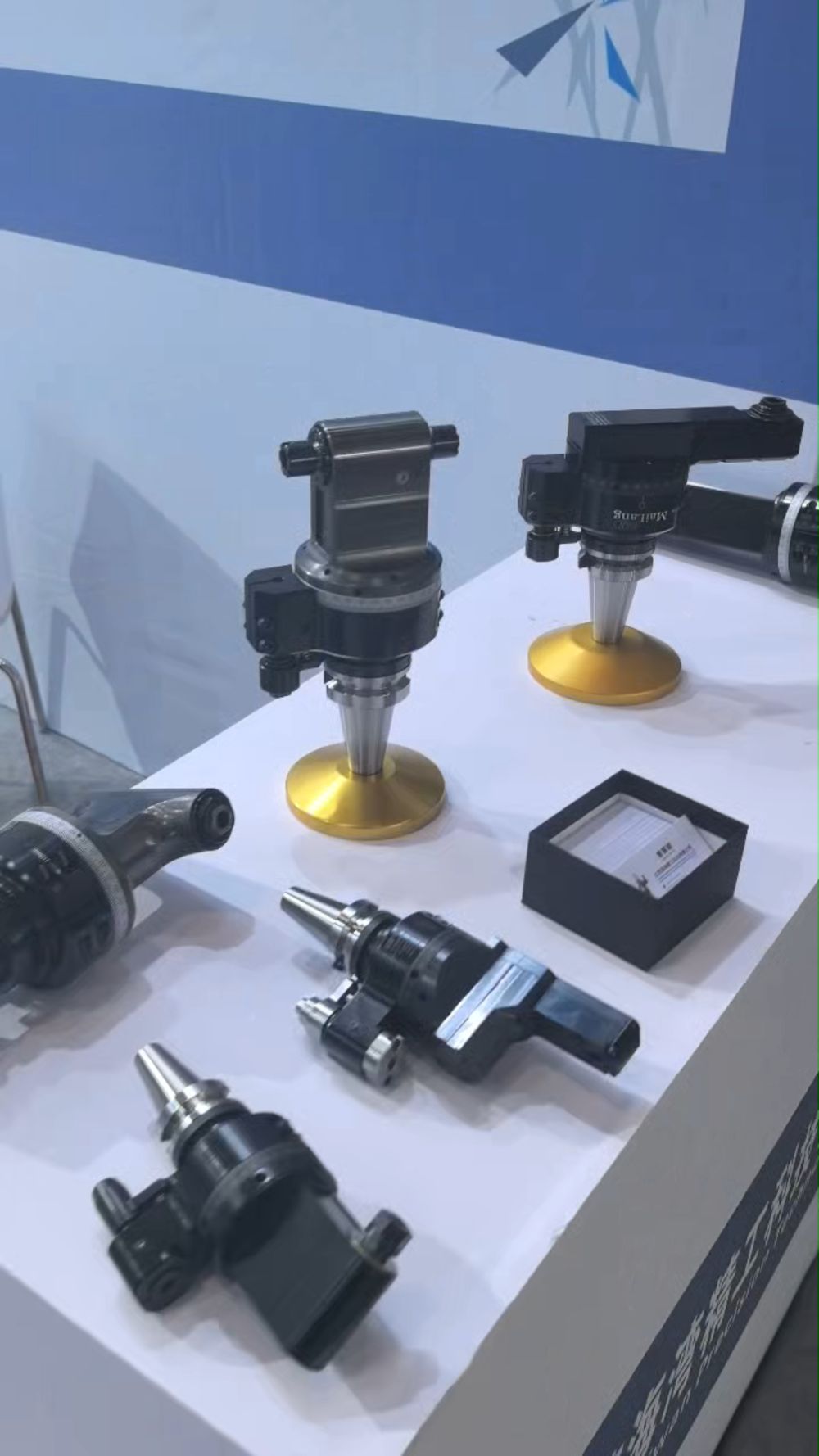
Angle heads have long been a staple in machining workshops, but their true potential lies in how they can be customized for specific applications. Rather than relying on off-the-shelf options, manufacturers are increasingly turning to tailored solutions that integrate seamlessly with unique workpiece geometries. By adjusting the angle, reach, and mounting configuration, these adaptations allow for precise access to hard-to-reach areas, reducing setup time and enhancing overall efficiency. This approach transforms a standard tool into a versatile asset, capable of tackling intricate designs without compromising on accuracy.
One of the key advantages of adapting angle heads is their ability to handle complex part features, such as internal cavities or multi-axis contours. Engineers can fine-tune the head's orientation to match the exact requirements of a project, whether it involves deep-hole drilling or intricate milling operations. This flexibility not only improves the quality of the finished product but also minimizes the need for secondary operations, saving both time and resources. By focusing on bespoke designs, companies can achieve a level of precision that standard tools often miss, giving them a competitive edge in demanding industries.
In practice, adapting angle heads involves close collaboration between tool designers and machinists to ensure optimal performance. Factors like coolant delivery, vibration control, and material compatibility are carefully considered to create a solution that performs reliably under real-world conditions. This hands-on approach leads to innovations in tooling that push the boundaries of what's possible in machining, enabling the production of components with tighter tolerances and more sophisticated shapes. Ultimately, it's this attention to detail that sets tailored angle head solutions apart, making them indispensable for modern manufacturing challenges.
Boosting Precision: How Custom Angle Heads Reduce Setup Errors
In many manufacturing and inspection applications, even minor setup errors can lead to significant deviations in final measurements or outputs. Custom angle heads, specifically engineered to fit unique tooling or workpiece configurations, directly address this by minimizing alignment variability. By eliminating the need for makeshift adjustments or generic adapters, these specialized components ensure that the initial positioning is consistently accurate, reducing the risk of cumulative errors throughout the process.
The precision boost comes from the tailored design of these heads, which often incorporate features like integrated clamping mechanisms or pre-calibrated angles. This allows operators to achieve repeatable setups quickly without relying on time-consuming manual tweaks. As a result, projects benefit from enhanced reliability and fewer reworks, making custom angle heads a practical investment for industries where precision is non-negotiable.
Flexibility in Production: Integrating Angle Heads for Multifaceted Operations
Angle heads are game-changers when it comes to boosting flexibility on the production floor. By installing these compact attachments onto machining centers, operators gain the ability to access hard-to-reach areas like sidewalls or internal features without repositioning the entire workpiece. This not only slashes setup times but also opens up new possibilities for complex geometries—think intricate mold cavities or multi-sided components that once required multiple fixtures. With angle heads, a single setup can handle drilling, milling, or tapping from various angles, making them indispensable for job shops and high-mix environments where versatility is key.
Beyond just saving time, integrating angle heads enhances precision by reducing the need for manual adjustments and minimizing potential errors from repositioning. Many modern angle heads offer adjustable or fixed angles—like 90 degrees or 45 degrees—allowing for consistent, repeatable operations across batches. This reliability is crucial in industries such as aerospace or medical device manufacturing, where tight tolerances are non-negotiable. Plus, with options for coolant-through capabilities and compatibility with automated tool changers, these heads fit seamlessly into advanced CNC workflows, supporting lights-out production and reducing operator intervention.
What really sets angle heads apart is their ability to tackle multifaceted operations in a single pass, turning complex projects into streamlined processes. For instance, in automotive part machining, an angle head might drill a side hole while a standard spindle finishes the top surface, all without stopping. This synergy not only boosts throughput but also cuts down on tool wear and energy consumption. By embracing this technology, manufacturers can future-proof their operations, adapting quickly to design changes or custom orders without investing in entirely new machinery—a smart move for staying competitive in today’s fast-paced market.
Industry-Specific Applications: Custom Angle Heads in Aerospace and Automotive
In the aerospace industry, custom angle heads are indispensable for machining intricate components like turbine blades and structural airframes. Their ability to access tight spaces and perform complex drilling or milling operations at precise angles ensures compliance with stringent safety standards while reducing production times. These heads often feature specialized materials and designs, such as high-temperature-resistant alloys, to withstand harsh environments.
For automotive manufacturing, these tools enhance production efficiency on engine blocks and transmission systems. They enable multi-axis machining without repositioning parts, which minimizes errors and speeds up assembly lines. Innovatively designed angle heads with advanced cooling systems help maintain tool integrity during high-volume runs, supporting the shift toward lightweight materials in electric vehicle production.
Both sectors benefit from tailored solutions that integrate with robotics and automation, allowing for seamless transitions between tasks. By opting for customized configurations, companies achieve higher accuracy and cost savings, making these tools pivotal in competitive markets where precision and durability are non-negotiables.
Future Advancements: Innovations in CNC Angle Head Design and Compatibility
Looking ahead, CNC angle head design is shifting toward smarter solutions that tackle common machine shop bottlenecks. We're seeing a push for heads that aren't just more compact but also boast enhanced rigidity to handle heavier cuts without sacrificing accuracy. Fresh cooling and chip management setups, such as integrated high-pressure coolant channels, aim to boost tool life and surface finish in tight spaces—especially crucial for industries like aerospace and medical manufacturing where precision is non-negotiable.
On the compatibility front, it's no longer about simple fitment; the focus is on seamless integration across diverse machine platforms. New designs feature modular connection systems that cut down setup times dramatically, allowing shops to swap heads between different CNC models with minimal tweaking. Smart sensors and plug-and-play communication protocols are becoming standard, letting angle heads feed real-time data back to the control system for proactive adjustments and maintenance alerts.
The real game-changer lies in how these advancements work together. Imagine a head that self-adapts its speed and feed based on material feedback, all while ensuring flawless compatibility with legacy machines through universal adaptors. This synergy not only ramps up productivity but also opens doors for more complex 5-axis operations, making multi-sided machining in a single setup a routine affair rather than a costly challenge.
FAQ
Custom CNC angle heads are specialized attachments designed for CNC machines to reach difficult areas, enhancing precision and flexibility in complex machining tasks. They allow operators to perform operations like drilling, milling, or tapping at various angles, which is crucial for intricate parts.
Custom solutions are tailored to specific applications, offering better fit and improved efficiency compared to standard options. They optimize machining by reducing setup times and increasing accuracy, which can lead to higher productivity and cost savings in complex projects.
Key factors include the required angle range, speed and torque specifications, material compatibility, and integration with your existing CNC setup. It's also important to assess durability, maintenance needs, and manufacturer support to ensure long-term reliability.
Yes, custom angle heads can be engineered for high-speed and heavy-duty applications by using robust materials and precision components. They are often designed to withstand demanding conditions while maintaining accuracy, making them suitable for industries like aerospace or automotive.
Common challenges include alignment issues, compatibility with machine interfaces, and potential for increased wear. These can be overcome by working closely with manufacturers for proper calibration, using high-quality lubricants, and conducting regular maintenance checks.
They enhance flexibility by enabling multi-axis operations and accessing hard-to-reach areas without repositioning the workpiece. This versatility supports complex designs, reduces setup changes, and allows for more efficient production workflows, adapting to diverse manufacturing needs.
Conclusion
Custom CNC angle heads represent a transformative advancement in modern machining, specifically engineered to access challenging workpiece areas that traditional tools cannot reach. By unlocking these hard-to-reach zones, manufacturers achieve unprecedented flexibility, allowing for intricate operations on complex geometries without multiple setups. These tailored solutions adapt seamlessly to diverse part shapes, reducing the need for repositioning and minimizing human error. This adaptability not only streamlines production but also enhances overall efficiency in multifaceted operations, making them indispensable in industries like aerospace and automotive where precision is paramount.
The integration of custom angle heads significantly boosts precision by mitigating setup errors, leading to higher accuracy and consistency in finished parts. As industries demand more sophisticated components, these heads provide the versatility required for complex machining tasks, future-proofing production lines against evolving technological needs. Innovations in design and compatibility are driving further advancements, ensuring that CNC angle heads remain at the forefront of manufacturing innovation. Ultimately, embracing these solutions elevates machining capabilities, offering a competitive edge through enhanced flexibility and reliability in diverse applications.
Contact Us
Contact Person: Tim
Email: [email protected]
Tel/WhatsApp: +86 15522553731
Website: https://www.winnrui-cnc.com/