

China Mobile Food Trailers: Revolutionizing Street Dining Across the Nation
2026-04-03
In bustling city corners and quiet rural lanes alike, a culinary revolution is quietly unfolding across China. Mobile food trailers are transforming the way people dine on the go, offering everything from traditional street fare to innovative fusion dishes. Among the trailblazers leading this movement is Oriental Shimao, whose sleek designs and versatile kitchens are redefining street food culture nationwide. This blog post delves into how these mobile kitchens are not just feeding appetites but also shaping communities, creating opportunities, and bringing flavors from every corner of the country to your doorstep. Join us as we explore the journey of China’s mobile food trailers—where innovation meets tradition on wheels.
Mobile Kitchens on Wheels: The Rise of Food Trailers in Urban China
In bustling Chinese cities, mobile kitchens on wheels, particularly food trailers, are rapidly gaining popularity as a flexible and cost-effective solution for urban dining. These compact, often creatively designed vehicles are transforming street food culture by offering everything from traditional local snacks to innovative fusion cuisines, catering to the fast-paced lifestyles of urban dwellers. With minimal overhead compared to brick-and-mortar restaurants, entrepreneurs can quickly adapt to trends and move locations to capture foot traffic, making them a resilient part of the food industry.
The rise of food trailers in urban China is closely tied to evolving regulations and entrepreneurial spirit. In recent years, cities like Shanghai and Beijing have introduced more lenient policies, allowing these mobile setups to operate in designated areas, which has fueled a boom in creative food businesses. This shift not only supports small business owners but also adds vibrancy to urban spaces, turning parking lots and street corners into lively hubs of culinary experimentation that attract both locals and tourists seeking authentic, on-the-go meals.
Beyond convenience, food trailers are reshaping social interactions and community dynamics in urban China. They often serve as gathering spots where people from diverse backgrounds can connect over shared food experiences, fostering a sense of community in otherwise impersonal urban environments. As this trend grows, it's inspiring a new generation of chefs and food enthusiasts to explore unique concepts, ensuring that mobile kitchens on wheels remain a dynamic and integral part of China's urban landscape for years to come.
Culinary Innovation on the Go: How Mobile Vendors Diversify Chinese Street Food
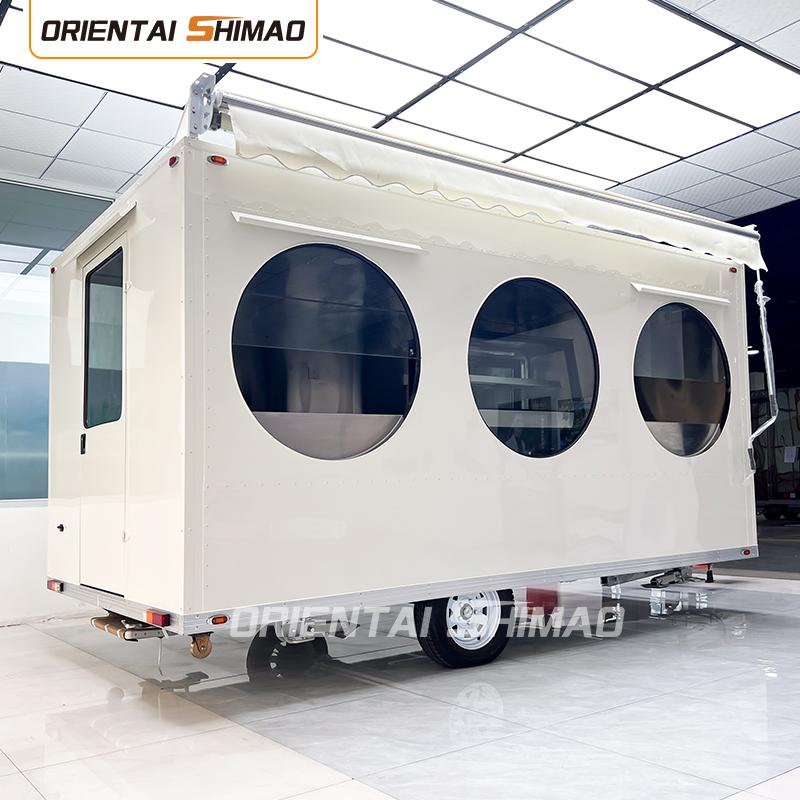
Mobile vendors are redefining China's street food landscape by introducing novel twists to traditional favorites. From bubble tea stands experimenting with exotic fruit flavors to baozi carts stuffing buns with unexpected ingredients like cheese or spicy Sichuan peppercorns, these quick-service setups keep menus fresh and exciting. This constant evolution not only caters to adventurous eaters but also preserves cultural heritage in a fast-paced, modern context, making every meal a unique encounter on bustling city corners.
Driven by social media trends and shifting consumer tastes, vendors now blend global influences with local staples, such as adding matcha to jianbing pancakes or topping roujiamo with Korean-style kimchi. This fusion approach allows them to stand out in crowded markets while offering affordable, on-the-go options that appeal to younger, tech-savvy crowds who crave both convenience and novelty in their food experiences.
By adapting swiftly to seasonal produce and regional specialties, mobile sellers showcase China's culinary diversity in bite-sized, accessible formats. Whether it's a winter-only hot pot cart in Beijing or a summer mango sticky rice bike in Guangzhou, these vendors highlight how mobility fosters creativity, transforming street food into a dynamic, ever-changing reflection of contemporary Chinese culture and lifestyle.
Tech-Driven Dining: Smart Systems Transforming China's Mobile Food Operations
China's bustling streets and vibrant food culture are being reshaped by an innovative wave of technology, where smart systems seamlessly integrate into mobile food operations. From food trucks to pop-up stalls, operators now leverage IoT sensors and AI-powered analytics to monitor inventory in real-time, predict demand spikes based on weather patterns or local events, and optimize routes for delivery efficiency. This tech-driven approach not only reduces waste and operational costs but also enhances customer experience through faster service and personalized offerings, creating a dynamic ecosystem that thrives on data-driven decisions.
Beyond mere automation, these smart systems introduce interactive elements that engage customers directly, such as mobile apps for pre-ordering and loyalty programs. In cities like Shanghai and Beijing, QR code payments and AI chatbots have become commonplace, allowing vendors to gather valuable feedback and tailor menus to regional tastes. By fusing traditional culinary practices with cutting-edge solutions, mobile food vendors are carving out niches in competitive markets, proving that innovation can coexist with authenticity in the fast-paced world of street food.
What truly sets this transformation apart is its scalability and adaptability across diverse urban landscapes. From high-tech hubs to rural festivals, smart systems empower small-scale entrepreneurs to compete with larger chains by offering data insights into consumer behavior and supply chain management. This shift not only boosts economic resilience but also fosters sustainability, as energy-efficient equipment and waste-tracking apps help minimize environmental impact. As these technologies evolve, they promise to redefine how we experience food on the go, making every bite a testament to China's forward-thinking mobile dining revolution.
Community Hubs on Streets: Social and Economic Impacts of Food Trailers
Food trailers aren't just mobile kitchens; they're vibrant community hubs that pop up on street corners and transform neglected spaces into lively social intersections. These tiny businesses act as informal gathering spots where neighbors catch up over tacos or coffee, bridging social divides in an era where public meeting places are dwindling. From fostering impromptu conversations to hosting local art displays on their sides, trailers create a sense of belonging that brick-and-mortar establishments often miss, weaving themselves into the fabric of neighborhood life.
Economically, food trailers serve as low-barrier entry points for aspiring entrepreneurs, allowing chefs to test concepts without the crippling overhead of a permanent restaurant. This flexibility injects dynamism into local economies, often revitalizing underused areas and drawing foot traffic that benefits nearby businesses too. By embracing seasonal menus or catering to niche dietary trends, they keep money circulating locally while offering job opportunities that range from entry-level to skilled culinary roles, fostering a resilient economic ecosystem from the curb up.
Beyond their immediate impacts, these street-side hubs challenge traditional urban planning by demonstrating how temporary structures can enhance community resilience and cultural identity. They've sparked grassroots movements advocating for more inclusive zoning laws, showing that a simple trailer can be a catalyst for broader social change. As cities evolve, food trailers remind us that sometimes the most meaningful connections—both social and economic—are forged right on the sidewalk, over a shared meal.
Navigating Regulations: Challenges and Opportunities for Mobile Food Vendors in China
In China's bustling cities, mobile food vendors often find themselves balancing between catching customers' eyes and tiptoeing around a maze of regulations. From obtaining licenses to securing designated vending spots, the hurdles can be steep, especially as rules can vary widely from one locality to another. This constant jostle against bureaucratic walls not only frustrates vendors but sometimes pushes them into the gray areas of operation, risking fines or shutdowns.
Yet, within these challenges lie hidden opportunities. Many local governments are now recognizing the vibrancy that street food brings to urban life and are experimenting with more flexible approaches. Initiatives like food truck parks or seasonal permits are emerging, allowing vendors to operate legally while fostering a sense of community. These shifts open doors for vendors to formalize their businesses, tap into new markets, and even leverage digital platforms for greater visibility and customer loyalty.
Looking ahead, the evolution in mobile food vendor regulations could reshape China's street food landscape, blending tradition with innovation. By embracing these changes, vendors might not only survive but thrive, turning regulatory navigation from a daily struggle into a strategic advantage in a competitive market.
Future Trends: Sustainable and Connected Food Trailers Reshaping Street Dining
Imagine strolling down a bustling city street, drawn not just by the aroma of sizzling tacos or freshly baked pretzels, but by the sight of a sleek, solar-paneled food trailer quietly humming as it crafts your meal. This isn't a distant fantasy—it's the forefront of street dining innovation. Sustainable food trailers are rapidly emerging, embracing renewable energy sources like solar and biodiesel to power operations, drastically cutting down on carbon footprints. Beyond energy, these mobile kitchens are adopting composting systems and biodegradable packaging, transforming waste into resources rather than landfill contributions. The shift isn't merely about being 'green'; it's a practical move that resonates with eco-conscious consumers who crave authenticity and responsibility in their quick bites.
Parallel to this green evolution, connectivity is weaving a new fabric into the street food scene. Today's food trailers are equipped with smart technology that goes beyond basic point-of-sale systems. Through integrated apps and IoT devices, vendors can track inventory in real-time, predict demand based on weather and local events, and even adjust menus dynamically to reduce food waste. Customers benefit from seamless ordering via smartphones, receiving notifications when their artisanal coffee or gourmet burger is ready, minimizing wait times and enhancing convenience. This digital layer turns a simple meal into a personalized experience, fostering loyalty in a competitive market where every second counts.
Together, sustainability and connectivity are redefining what it means to dine on the go, blending environmental stewardship with cutting-edge efficiency. These trends signal a departure from the old-school, gas-guzzling carts toward agile, intelligent hubs that adapt to urban rhythms. As cities grow denser and consumer expectations soar, food trailers that prioritize both planet and people are set to thrive, offering flavorful, forward-thinking options that make street dining not just a quick fix, but a thoughtful choice for the future.
FAQ
China Mobile Food Trailers are modern, modular food service units designed for quick setup in urban areas, offering customizable menus and enhanced hygiene standards compared to older models.
Cities like Chengdu, Shanghai, and Guangzhou have experienced rapid expansion, driven by high demand for quick, varied street food options and supportive local policies.
They provide new opportunities for vendors to scale up with lower startup costs, though some traditional carts face competition due to the trailers' advanced features and efficiency.
Operators often navigate complex zoning laws, health inspections, and temporary permit requirements, which can vary significantly by city and district.
Many trailers now include solar panels, smart payment systems, and GPS tracking for logistics, enhancing sustainability and customer convenience.
Consumers increasingly seek gourmet and international cuisine from trailers, expecting faster service and higher quality, shifting from basic street snacks to diverse dining experiences.
They serve as mobile hubs showcasing regional specialties, attracting tourists to explore neighborhoods and contributing to cultural vibrancy and economic activity.
Trends include eco-friendly materials, vibrant branding for social media appeal, and modular layouts that allow operators to switch menus or locations easily.
Conclusion
China's mobile food trailers are dramatically transforming street dining across the nation, combining culinary innovation with mobility. The rise of these mobile kitchens on wheels has introduced diverse and creative dishes to urban centers, enhancing the street food scene beyond traditional offerings. By leveraging technology, vendors incorporate smart systems that streamline operations, from ordering to payment, making dining experiences more efficient and modern. This evolution not only caters to the fast-paced urban lifestyle but also fosters a sense of community, turning food trailers into vibrant social hubs that contribute to local economies.
Despite challenges in navigating regulations, mobile food vendors in China find opportunities for growth and adaptation. The future promises sustainable and connected trailers that integrate eco-friendly practices and digital connectivity, reshaping street dining into a more integrated part of urban life. These trends highlight how food trailers are revolutionizing the culinary landscape, offering accessible, innovative, and socially impactful dining options nationwide.
Contact Us
Contact Person: Jack Wang
Email: [email protected]
Tel/WhatsApp: 8618306483516
Website: https://www.orientalshimaofoodtruck.com