

China Alginate Oligosaccharide: Top Expert Recommendations for Optimal Health
2026-06-23
Imagine a naturally derived compound from the depths of China's seas that top health experts are calling a game-changer for optimal wellness. Alginate oligosaccharide, a little-known marine bioactive, is now at the forefront of nutritional science. Through the pioneering work of MacroAlga, this potent ingredient is finally accessible to those seeking scientifically backed health solutions. Here’s what the experts want you to know.
Alginate Oligosaccharides: A Deep Dive into Their Health Potential
Alginate oligosaccharides are short-chain molecules derived from alginic acid, a structural component found in the cell walls of brown seaweed. Unlike the longer polysaccharide chains of their parent compound, these smaller fragments are more readily absorbed and interact with the body in unique ways. Early interest focused on their use as a low-calorie food additive, but a growing body of research now reveals a far more compelling picture—one where these marine-derived molecules influence human biology at the cellular level, from gut ecology to inflammatory pathways.
Where alginate oligosaccharides truly stand out is in their multifaceted support for digestive health. By serving as a prebiotic, they fuel beneficial gut bacteria like Bifidobacterium, while also interfering with the adhesion of harmful pathogens. This dual action helps maintain intestinal barrier integrity, reducing what researchers often call “leaky gut.” Beyond the gut, these molecules seem to temper excessive immune responses, with studies pointing to a reduction in pro-inflammatory cytokines. Such effects place them at the intersection of gut health and systemic inflammation, a area increasingly linked to chronic conditions from metabolic syndrome to mood disorders.
What remains especially promising is the adaptability of alginate oligosaccharides to different health contexts. Their molecular weight, charge, and even the block structure of their guluronic and mannuronic acid units can be tuned during processing, allowing for targeted applications. Ongoing trials are exploring their role in enhancing wound healing, protecting against heavy metal toxicity, and even as adjuncts in cancer therapy. While the supplement market is quick to latch onto such findings, the real excitement lies in how this humble seaweed derivative might inspire a new class of functional compounds that work with, rather than against, our body’s natural defenses.
What Chinese Health Experts Are Saying About This Marine-Derived Compound
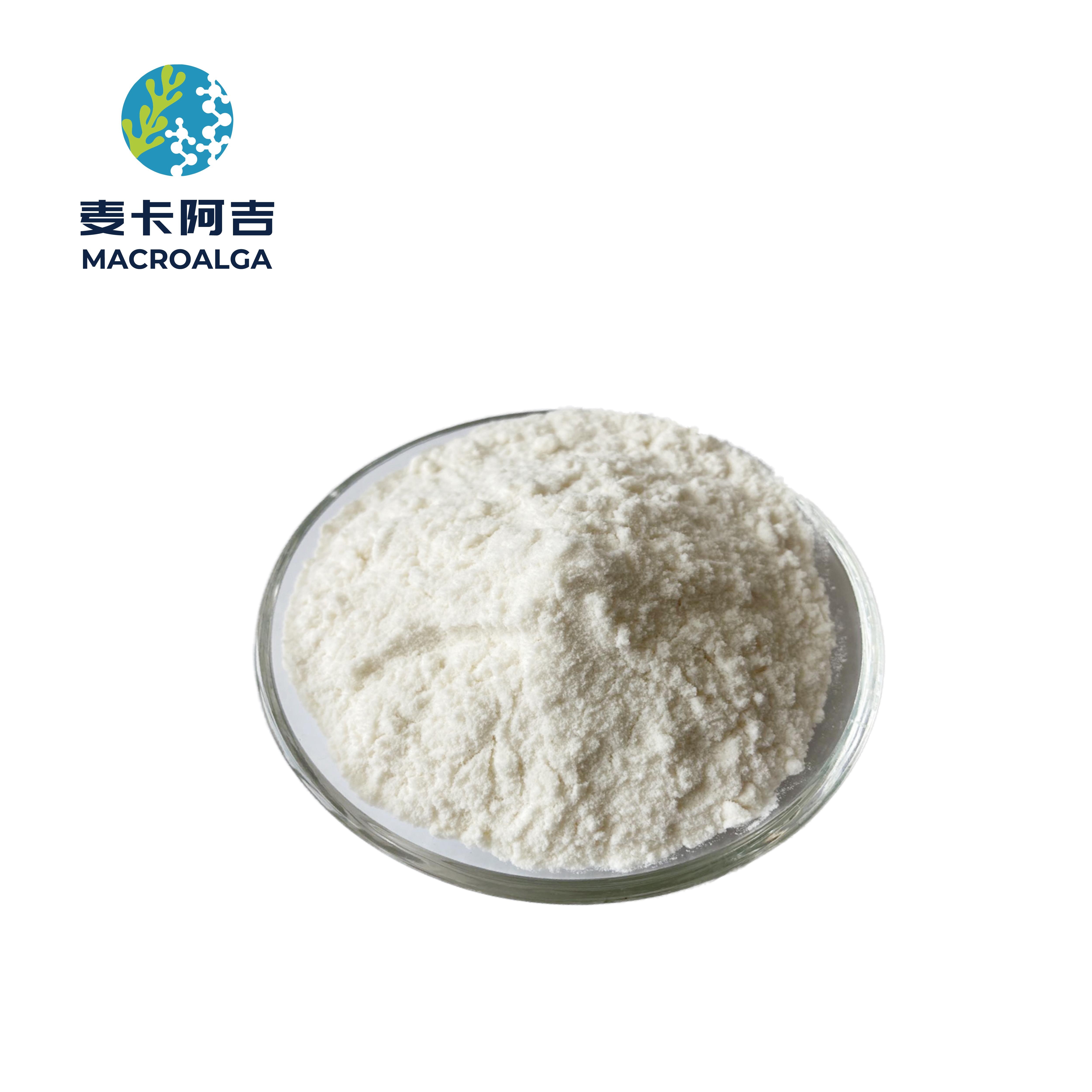
Traditional Chinese medicine has long embraced marine ingredients, and modern health experts in China are increasingly vocal about the potential of marine-derived compounds. Dr. Li Wei, a prominent researcher at the China Academy of Chinese Medical Sciences, notes that these substances often align with the principles of balancing yin and nourishing the body, making them a natural fit for preventive health strategies.
At a recent symposium in Shanghai, several clinical nutritionists highlighted early findings on a particular compound sourced from sea cucumbers. They point to its impressive antioxidant profile and its ability to support joint mobility, which resonates with the aging population's concerns. Professor Zhang Min from Fudan University remarked that the compound's unique molecular structure may explain why it is so readily absorbed, unlike many synthetic alternatives.
While enthusiasm is growing, experts are also calling for a measured approach. They emphasize that quality sourcing and standardized extraction methods are crucial to ensure consistent benefits, and that more long-term studies are needed to fully understand its interactions with the body. This blend of cautious optimism and scientific rigor reflects a new era in integrative health thinking.
Unlocking Daily Wellness Benefits Through Alginate Oligosaccharides
It’s easy to overlook the small compounds that quietly support our bodies every day. Alginate oligosaccharides, tiny fragments from brown seaweed, happen to be one of them. They don’t scream for attention, but once you start paying notice, their role in daily wellness becomes hard to ignore.
These short-chain molecules act as a gentle nudge for the gut, helping beneficial bacteria flourish while keeping inflammation in check. Unlike the harsh quick fixes we’re often sold, this is more like tending a garden—slow, steady, and deeply restorative. Over time, that can translate to fewer stomach upsets, clearer skin, and a more responsive immune system.
Sprinkling them into your routine isn’t tricky either. Whether through a morning drink mix or a capsule taken with breakfast, the key is consistency. It’s the kind of small shift that doesn’t overhaul your life overnight, but it might just make each day feel a little more balanced.
Simple Ways to Make Alginate Oligosaccharides Part of Your Day
Start by stirring a spoonful of alginate oligosaccharide powder into your morning coffee or smoothie. It dissolves without clumps and doesn't alter the taste, so you won't even notice it's there. This habit keeps your gut flora happy without adding extra steps to your routine.
At lunch, mix a pre-measured sachet into a small glass of water or juice. The mild, slightly savory note blends well with citrus drinks and can offset the sharpness of vinegar-based dressings if you prefer to add it to soups or sauces. It's an effortless swap that supports your daily fiber intake.
For an evening wind-down, try adding alginate oligosaccharides to a warm herbal tea or a bowl of yogurt. The gentle prebiotic effect works overnight, so you wake up feeling refreshed. Keeping a small container on your counter makes it as automatic as reaching for a vitamin—only this one actually improves meal satisfaction without complicating your schedule.
The Science Explaining Why Alginate Oligosaccharides Support Vitality
Alginate oligosaccharides, short-chain molecules derived from brown seaweed, interact with cell surface receptors in ways that spark a cascade of metabolic adjustments. Their modest size lets them slip through biological barriers and engage signaling pathways tied to stress resistance and energy allocation. Rather than simply serving as fuel, these fragments trigger adaptive responses that help cells maintain function under strain, gently nudging the body toward a more resilient state without overstimulation.
Within mitochondria, alginate oligosaccharides appear to dampen oxidative damage by upregulating antioxidant enzymes like superoxide dismutase and glutathione peroxidase. This protective effect preserves the efficiency of electron transport, keeping ATP output steady even when cells face environmental or metabolic stress. By reducing the slow drain of mitochondrial decay, they help sustain the cellular energy factories that underpin physical and mental stamina.
The gut ecosystem also plays a central role. These oligosaccharides selectively nourish beneficial bacteria such as Bifidobacterium and Akkermansia, shifting microbial balance away from inflammatory strains. The resulting short-chain fatty acids and reduced intestinal permeability lower systemic inflammation—a known drain on vitality. This gut-orchestrated modulation creates a foundation where energy is conserved for daily demands rather than diverted to low-grade immune activation.
Smart Selection Advice for Alginate Oligosaccharide Supplements
Navigating the world of alginate oligosaccharide supplements calls for a keen eye on manufacturing transparency. Prioritize products that openly disclose the extraction source—whether from brown algae like Laminaria or Macrocystis—and the gentle enzymatic methods used to break down alginates without harsh chemicals. A trustworthy brand will share batch-specific third-party testing for purity, heavy metals, and microbial limits rather than relying on generic claims. Skip anything that hides behind proprietary blends or fails to specify the molecular weight range, as this directly influences bioavailability and target applications.
Formulation details matter more than marketing hype. Look for supplements that pair alginate oligosaccharides with complementary prebiotics or protective compounds, but avoid those overloaded with fillers, flow agents, or unnecessary binders. The physical form—powder, capsule, or liquid—should align with your routine, yet the crucial differentiator remains the oligosaccharide profile. Seek out brands that verify their product’s degree of polymerization and M/G ratio, because these factors govern how the oligosaccharides interact with gut microbiota, support mineral absorption, or modulate inflammation. A slightly higher upfront cost often reflects advanced purification steps that remove unwanted residues and ensure consistent dosing.
Savvy buyers treat labels as a starting point, not a guarantee. Reach out to manufacturers with direct questions about their supply chain: the geographical origin of the seaweed, the sustainability certifications (such as Friend of the Sea or MSC), and the freshness of the raw material. If they hesitate or provide scripted replies, consider it a red flag. Real quality shows in small details—an amber glass bottle to guard against moisture, a clear expiration date printed on the bottle, or an easy-to-access certificate of analysis. Ultimately, the smartest choice is one where transparency, specificity, and honest dialogue replace vague promises.
FAQ
Chinese manufacturers often leverage advanced enzymatic extraction methods and stringent purification steps, resulting in a product with high bioavailability and consistent molecular weight. The coastal regions provide an abundant supply of brown algae, and many facilities adhere to international certifications, ensuring the final ingredient meets rigorous purity standards.
Most specialists advise starting with a small dose, around 500 mg to 1 g per day, mixed into water, juice, or smoothies. It's best taken between meals to maximize absorption and avoid possible digestive competition. Gradually increasing the amount lets the body adapt, and consistency is key for long-term benefits.
Beyond gut health and mineral absorption, emerging research highlights its potential as a prebiotic that selectively nourishes beneficial bacteria like Bifidobacterium. Some nutritionists are also exploring its role in supporting skin hydration when used alongside topical treatments, and in agricultural formulations to enhance plant resilience.
Because it can bind to certain minerals and slightly alter gut transit time, there is a possibility of reduced absorption of fat-soluble vitamins or drugs with a narrow therapeutic index. Experts stress the importance of taking it at least two hours apart from medications and consulting a healthcare provider if you are on blood thinners or diabetes management plans.
The combination of long-established seaweed farming knowledge, cold-water harvesting cycles, and a vertically integrated production chain often yields a narrower molecular size distribution. This consistency translates into more predictable physiological effects, which clinicians value when recommending supplements to patients with sensitive digestive systems.
Several small-scale human trials indicate improvements in post-meal triglyceride levels and mild reductions in inflammatory markers. While these findings are promising, specialists caution that they should be viewed as complementary to a balanced diet and exercise rather than a standalone solution. The hypothesized mechanism involves modulation of bile acid signaling and intestinal enzyme activity.
Look for third-party testing certificates that verify purity, heavy metal levels, and molecular weight. Products that list the specific oligomer range, such as dimers to decamers, signal transparency. Avoid brands that use vague terms like 'whole brown seaweed extract' without clarifying the oligosaccharide content. Trusted suppliers often provide batch-specific analysis upon request.
Conclusion
China's health landscape is quietly being reshaped by alginate oligosaccharides, marine-derived molecules that have caught the attention of leading practitioners and researchers. Far from a fleeting trend, these compounds are backed by a growing body of evidence suggesting they can support gut integrity, modulate immune responses, and even assist in mineral absorption. Chinese experts emphasize that alginate oligosaccharides operate at the intersection of prebiotic action and systemic anti-inflammatory effects, helping to maintain a balanced internal environment. This dual mechanism is particularly relevant in today’s fast-paced lifestyles, where digestive discomfort and chronic low-grade inflammation are common concerns. Many clinicians now view these oligosaccharides not as isolated supplements but as part of a holistic wellness strategy, complementing diet and exercise to bolster daily vitality.
Incorporating alginate oligosaccharides into a routine doesn’t require drastic changes. Simple, practical approaches include stirring a tasteless powder into morning coffee or smoothies, or opting for pre-formulated capsules that deliver a precise dose. When choosing a supplement, discernment is key—look for products that specify the molecular weight and purity, ideally verified by third-party testing. Chinese health advisors often recommend sourcing from manufacturers that utilize advanced enzymatic degradation methods, as these tend to yield a more consistent profile of bioactive oligomers. It’s also wise to start with a modest serving, gradually observing how your body responds, rather than plunging into a high-dose regimen. By integrating these thoughtful selection criteria with daily habits, one can quietly strengthen the body’s resilience, aligning with the core principle of Chinese wellness: sustained, gentle nourishment over time.
Contact Us
Contact Person: Kevin ZHANG
Email: [email protected]
Tel/WhatsApp: 8613505438449
Website: https://www.macroalga.com/