
Best Quality Insoles for Ultimate Comfort and Support
2026-09-13
Chances are, your feet have been quietly begging for a break. We spend hours on our feet, yet most insoles are flimsy afterthoughts that do little more than fill space. If you're serious about ending foot fatigue and finally getting the support your arches crave, you're in the right place. After putting countless pairs to the test, YONGFENG stands out as a brand that actually delivers on its promise: best quality insoles for ultimate comfort and support. Here's what to look for—and what you've been missing.
The Hidden Difference Between Average and Premium Insoles
Strip the fabric off most stock insoles and you'll find one slab of foam that was chosen because it feels squishy on the store shelf. That softness disappears fast once body weight starts breaking down the cell walls inside the foam. Premium insoles rarely rely on that trick. Instead, they stack materials with separate jobs: a rigid base layer stops the midsole from twisting, a slow-rebound foam handles pressure peaks under the ball and heel, and a thin top sheet moves sweat away rather than soaking it up.
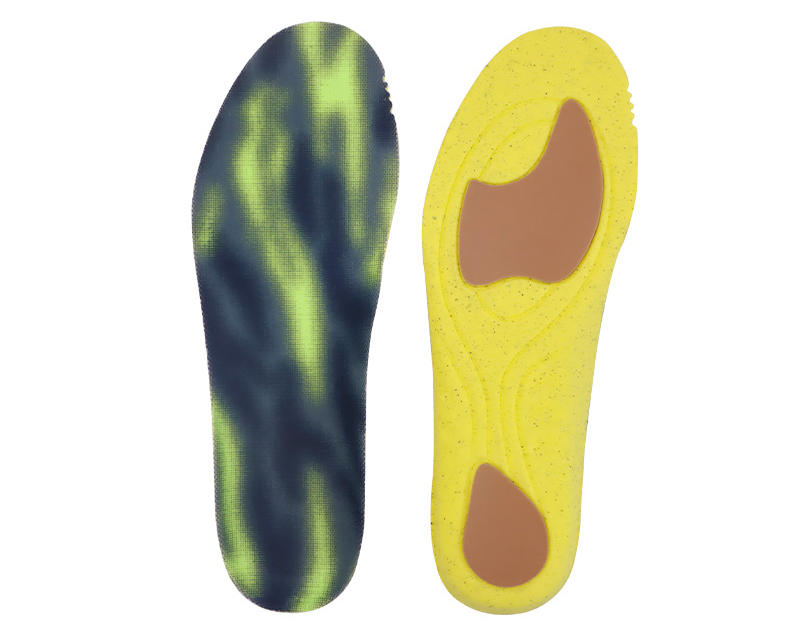
The more telling difference sits under the arch. Budget insoles often use a molded bump that looks supportive but flattens after a few weeks because the surrounding foam gives way. Premium versions place a denser arch support—made from TPU, cork composite, or layered EVA—across a firmer heel cup. That hidden structure is what keeps the arch from collapsing at the end of a long shift. One feels dead by lunch, the other still pushes back at five o'clock.
How Arch Design Impacts Everything From Posture to Knee Pain
The shape and height of your foot's arch isn't just a random anatomical detail—it sets off a chain reaction that travels all the way up your body. A low or collapsed arch, for instance, forces your ankle to roll inward with every step. That subtle inward tilt, known as overpronation, shifts your knee out of its natural alignment. Over time, the repetitive strain can irritate the soft tissues around the kneecap or even wear down the cartilage unevenly, turning everyday walks into a source of dull, nagging pain.
Meanwhile, a very high, rigid arch acts like a shock absorber that's lost its spring. Without enough flexibility to flatten slightly on impact, the foot sends jarring forces straight up through the shin and into the knee joint. Runners and people who stand all day often notice this as sharp twinges under the kneecap or along the outer edge of the knee. The problem isn't just local—when one joint is forced to compensate, the hips and lower back start working harder, pulling your posture out of line.
The good news is that arch support isn't about forcing every foot into the same mold. It's about giving your specific arch type just enough guidance to keep the whole kinetic chain—foot, ankle, knee, hip—moving in harmony. A simple change in footwear or an orthotic insert can reduce the inward roll or improve shock absorption, often easing knee discomfort without a single trip to the doctor's office. Paying attention to your arch design is one of the cheapest, most direct ways to protect your knees from the ground up.
Cushioning Myths That Lead to Disappointing Insoles
Many people assume a squishy insole means better shock absorption, but that initial plush feel often hides poor energy return and quick compression set. By the end of a long shift, the foam has flattened and your feet are hitting the midsole harder than before.
Another persistent myth is that more cushioning automatically reduces foot fatigue. Without structural support, excessive softness lets the arch collapse and the heel drift, which forces muscles in your feet and calves to work overtime. The result is often more soreness, not less.
The real issue isn't whether an insole feels soft in your hand; it's how it manages load over hours of walking or standing. A well-designed insole balances cushioning with firm support zones, so it absorbs impact without sacrificing alignment. If you keep choosing insoles based on that "walking on clouds" demo, you'll likely end up replacing them every few weeks and wondering why your feet still hurt.
Why Breathable Materials Matter More Than You Think
Most people associate breathable fabrics with workout gear, but their real value shows up in quieter moments: a long commute, a crowded waiting room, a night of restless sleep. When air can't move, moisture builds up against skin, making you feel sticky, chilled, or overheated even at rest. Breathable layers don't just wick sweat; they help regulate your microclimate so your body isn't constantly fighting the clothing.
That constant fight can drain energy you didn't know you were spending. Skin that stays damp for hours becomes more prone to chafing, odor, and breakouts, especially where clothes fit snugly. A breathable fabric lets the skin's natural cooling system work instead of trapping heat and humidity. The difference isn't always obvious in a fitting room, but after a full day of wear, it's the gap between feeling fresh and counting the minutes until you can change.
It's also about durability and care. Fabrics that trap moisture tend to hold onto odor and need more aggressive washing, which breaks down fibers faster. Breathable materials, on the other hand, dry quicker and often require less laundering, so they stay comfortable and keep their shape longer. That's a practical win that goes far beyond a label or a trend.
Finding the Right Insole for Your Specific Foot Shape
Most people treat insoles as an afterthought, but your arch height and foot width change how a shoe fits and feels. A quick way to narrow things down: wet your foot, step on a paper bag, and look at the imprint. A full footprint with no visible curve usually means a low arch, so you want a firm, structured insole that stops overpronation. A high, narrow imprint signals a rigid arch that needs extra cushioning under the heel and ball of the foot to absorb shock.
If your foot is wide or has bunions, stiffer arch supports can dig into the sides. In that case, pick an insole with a flexible forefoot and a lower profile, then trim it to match the original liner rather than forcing a one-size-fits-all shape. For flat feet, think about posting: a medial wedge or reinforced arch area can keep your ankle from rolling inward, which often prevents knee and hip aches by the end of the day.
Don't just rely on the label. Stand on the insole inside the shoe before committing—your heel should sit deep in the cup, and the arch contour should line up with the middle of your foot, not your toes. If it feels like a golf ball under your arch, it's too aggressive. Swap the stock liner first, wear them around the house for an hour, and pay attention to whether the pressure moves off your metatarsals. A good match feels boring: no sharp edges, no sliding, no need to constantly readjust.
Signs Your Insoles Are Quietly Losing Their Support
You rarely notice the moment an insole gives up. It doesn't crack or snap; it just slowly stops pushing back. That's why the earliest warnings hide in small details—like the way your heel sinks a little lower on one side, or the faint fold that appears across the arch after you pull the shoe off. The top layer might still look clean, but underneath, the foam has turned into a flattened mat that no longer follows the shape of your foot.
Check the areas that used to feel bouncy. A compressed insole often leaves a deep, glossy toe impression that doesn't fade overnight, or a permanent crease right under the ball of the foot. The heel cup may start tilting outward, so the back of your shoe feels looser than it should. You might also catch yourself re-tightening laces more often just to keep your foot from sliding forward.
The shift can be audible too. Footsteps that once had a soft, rolling rhythm turn into a flat thud as the insole bottoms out. If your arches ache after a short errand or your knees feel slightly off by evening, the support is no longer doing its quiet job. Replacing the insole at this stage is cheaper and easier than waiting for your body to compensate with a strained stride.
FAQ
It usually comes down to how the layers are built. Premium options combine a firm support base with a softer top layer that still springs back after months of wear. Cheap insoles often feel plush for a week and then go flat, while better ones keep their shape under pressure and don't shift inside the shoe.
Pay attention to where the ache shows up. Pain in your heel or along the inside of your foot after standing or walking often points to under-supported arches. If your old insoles feel flat when you press the arch area against a table, you'd likely benefit from a firmer contour that holds its shape.
Yes, but only if they spread the load properly. A dense heel cup and a cushioned forefoot absorb some of the impact before it travels up your legs. Look for insoles that feel slightly stiff in the midfoot yet soft under the ball of the foot—that combination stops the constant jarring that makes your legs feel heavy.
In most cases, yes. The price difference usually buys better foam density, a deeper heel cup, and a moisture-wicking top cover that doesn't peel after a few weeks. Cheap foam compresses quickly and then offers almost no support, so you end up replacing them more often and still deal with discomfort.
A mix of polyurethane or EVA for the base with a memory foam or gel top layer works well. Polyurethane keeps its rebound longer, while the softer top evens out pressure points. Avoid anything that feels like a flat piece of sponge—it won't give your arch anything to push against.
Pull out the original insole and trace its outline onto the new one with a pen. Cut slightly outside the line first, then test the fit and shave tiny bits away along the edges until it lies flat. It's better to leave a little extra material at the toe than to cut too short and have it slide around.
Some do, but it depends on the design. For running and hiking you want extra shock absorption in the heel and a stable arch that doesn't collapse on uneven ground. Everyday insoles can be a bit softer because you're not landing as hard. If you do multiple activities, choose one labeled for higher impact and it will usually handle daily use too.
A general rule is every six to twelve months, but your own wear pattern matters more. If the top fabric starts thinning, the heel area feels permanently compressed, or your arches ache after a short walk, it's time for new ones. Runners may need to swap them after 300 to 500 miles.
Conclusion
Most people don't realize how much separates a basic foam insert from a truly premium insole. The difference isn't just thicker padding—it's the precision of arch support and the quality of materials that hold up over months of daily wear. A well-contoured arch can shift your weight distribution enough to ease strain on knees and lower back, while a flat or overly soft insole often makes things worse. And forget the old myth that more cushioning equals more comfort: excessive squish can destabilize your foot, forcing muscles to work harder and leading to fatigue. What you want is a balance of firm support under the arch and resilient cushioning at the heel and forefoot.
Breathability matters more than most shoppers expect. Feet sweat, and a closed-cell foam insole can trap heat and moisture, causing blisters and odor. Look for open-cell foams, perforations, or moisture-wicking top layers. Your foot shape also plays a huge role—high arches, flat feet, and wide forefeet each need different contours. Finally, pay attention to when your current insoles stop bouncing back. If they feel compressed in the middle, show permanent creases, or you notice new aches in your arches or knees after a few hours, it's time to replace them. Premium materials and a proper fit are the real foundation of all-day comfort.
Contact Us
Contact Person: Mr Deng
Email: [email protected]
Tel/WhatsApp: +86-18926872657
Website: https://www.uniyongfeng.com/