
Best Laser Wound Healing: Accelerate Recovery with Advanced Light Therapy
2026-08-02
Wound care has entered a new era, where light does more than illuminate—it heals. Imagine cutting recovery time in half without relying solely on traditional creams and bandages. That’s the promise of advanced laser therapy, a science-backed method that’s quietly reshaping how we treat injuries, post-surgery incisions, and chronic sores. At the forefront of this innovation is GUANG TAI, a name synonymous with precision and reliability in medical laser devices. But what makes this technology stand out from a crowded field of healing gadgets? And why are clinics worldwide making the switch? In this post, we’ll peel back the layers of how targeted light energy accelerates tissue repair, reduces inflammation, and gets you back on your feet faster—without the hype. If you’re curious about a smarter way to heal, you’re in the right place.
How Light Penetrates Skin to Speed Up Repair
When light reaches your skin, it doesn’t just bounce off the surface. Specific wavelengths, particularly in the red and near-infrared spectrum, are able to slip past the outer barrier and travel deeper. This isn’t a surface-level reaction—these light waves actually kick-start a chain of events inside your cells, mainly by energizing mitochondria, the tiny power plants that drive repair and regeneration.
The key here is penetration depth. Longer wavelengths dive further in without causing heat or damage. Once they hit the dermis, where collagen and elastin live, they prompt fibroblasts to ramp up production. At the same time, they help dial down inflammation and improve blood flow, which means nutrients and oxygen arrive faster, and waste gets cleared out more efficiently.
What’s interesting is that this process mimics a natural healing signal. Your cells already respond to certain light frequencies—think of how a cut heals better when it’s not covered 24/7. By delivering a targeted dose, you’re essentially giving your skin the nudge it needs to fix itself from the inside out, without overwhelming it.
What Happens Inside Your Tissues During Laser Therapy
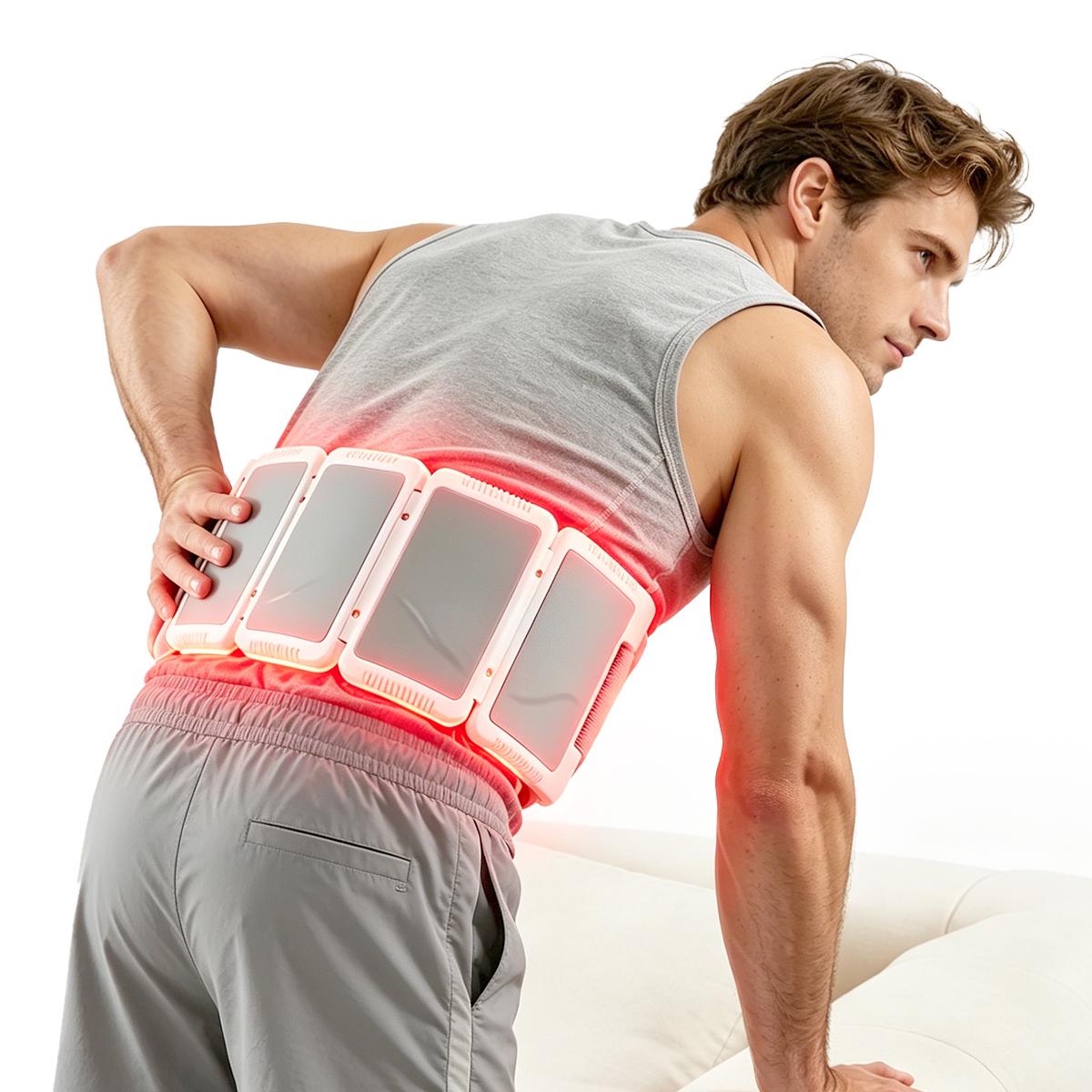
As laser light penetrates the skin, it interacts with cellular components in a way that kickstarts a cascade of biological responses. Photons are absorbed by mitochondria, the energy powerhouses of cells, leading to increased production of adenosine triphosphate (ATP). This surge in cellular energy fuels repair processes, reduces oxidative stress, and helps normalize cell function. Damaged or stressed cells essentially get a metabolic boost, allowing them to work more efficiently and accelerate the natural healing timeline.
Beyond the immediate energy boost, laser therapy modulates inflammation and circulation within the tissue. It triggers the release of signaling molecules that dilate micro blood vessels, improving oxygen and nutrient delivery while flushing out metabolic waste. At the same time, it helps shift the inflammatory response from a chronic, destructive state toward an acute, healing phase. Immune cells become more active, clearing debris and setting the stage for tissue remodeling without the prolonged swelling that often accompanies injury.
On a structural level, laser light influences collagen synthesis and fibroblast activity—key players in rebuilding tissue architecture. Fibroblasts ramp up their production of collagen and elastin, strengthening the extracellular matrix. Nerve cells may also respond with reduced excitability, which contributes to pain relief. This multifaceted interaction means that the tissue is not just passively responding but actively reorganizing itself, leading to stronger, more resilient repair than might occur with rest alone.
Real Recovery Timelines You Can Expect
Recovery isn’t a straight line, and anyone who claims you’ll be back to normal in two weeks is either selling something or hasn’t been through it themselves. The first few days are often the hardest—pain peaks, movement is limited, and you question every decision that led you here. But by day five or six, the fog starts to lift, and small victories like reaching for a coffee mug actually feel monumental.
Around the two-week mark, you’ll notice genuine progress, but it’s rarely linear. Some mornings you’ll wake up feeling almost normal, only to be humbled by a simple task that reignites discomfort. That’s part of the process, not a setback. By week four, most people can resume light routines, though the body still whispers reminders to slow down. The six-week milestone is often celebrated prematurely—strength returns, but the deep, inner healing is still underway.
Realistically, a three-month horizon is where you’ll feel like yourself again, provided you’ve been consistent with rehab and haven’t rushed back too soon. Even then, occasional twinges or fatigue might visit unannounced. This timeline isn’t a countdown; it’s a map with variable terrain. The key is respecting your body’s signals, not the calendar.
Choosing the Right Wavelength for Your Wound
Wavelength selection isn't just about picking a number—it’s about matching the light’s penetration depth to your wound’s characteristics. For surface-level injuries like abrasions or shallow surgical incisions, shorter wavelengths in the red spectrum (around 630–660 nm) often work well because they concentrate energy in the upper skin layers where healing cells are most active. These wavelengths stimulate collagen production and reduce inflammation without dispersing too deeply, making them a targeted choice for fresh, open wounds that need gentle encouragement to close.
If you’re dealing with a deeper, slow-healing ulcer or a surgical wound that tunnels beneath the skin, near-infrared light (typically 800–850 nm) becomes far more effective. This longer wavelength penetrates beyond the dermis to reach muscle and even bone, boosting circulation and cellular repair in tissue that surface light can’t touch. The key is to assess not just the wound’s depth, but also its age and the presence of any biofilm—chronic, infected wounds often benefit from a combination approach where both red and near-infrared light are used in sequence to address superficial bacteria and deep tissue regeneration.
One often-overlooked factor is your own skin tone and thickness, which can shift the ideal wavelength by up to 50 nm. Darker, thicker skin scatters light more, so you might need to edge toward the higher end of a spectrum to achieve the same therapeutic effect. Rather than sticking rigidly to a single number, pay attention to how your wound responds after a few sessions: if you see no change in granulation or pain, try a slightly longer wavelength or increase the energy density before assuming the therapy isn’t working. The goal is to find that sweet spot where the light hits the “Goldilocks zone” of tissue—deep enough to spark repair, but superficial enough to concentrate its biological impact exactly where you need it.
Simple Aftercare Steps That Make a Difference
It’s the little habits after a treatment that truly shape the results. For instance, using a clean pillowcase each night feels like a small act, but it helps keep the treated area free from bacteria that can lead to irritation. You’d be surprised how many people overlook this simple shift, yet those who adopt it notice faster, calmer healing.
Another step that often gets forgotten is staying gentle with your skin during the first 48 hours. Avoid touching or picking, even if it’s tempting. Instead, let the skin breathe and do its natural work. A cool mist of thermal spring water can offer relief without interfering with recovery. It’s these mindful, low-effort adjustments that turn a good outcome into a great one.
Common Myths About Laser Healing You Should Ignore
One widespread misconception is that laser treatments are unbearably painful. In reality, most modern laser systems incorporate cooling mechanisms and deliver energy in rapid pulses, making the sensation more like a gentle warmth or a light snap. Many patients are surprised by how comfortable the process actually is.
Another persistent myth is that laser therapy is only for cosmetic skin procedures. While it’s true that lasers can improve skin texture and reduce wrinkles, they are also widely used in physiotherapy to reduce inflammation, in dentistry for gum treatments, and in veterinary medicine to speed up wound healing. Their therapeutic potential goes far beyond aesthetics.
Some people fear that exposure to laser light might cause cancer. This belief stems from confusion with ionizing radiation, like X-rays. Therapeutic lasers use non-ionizing wavelengths that do not damage DNA. Decades of clinical use have shown no link between low-level laser therapy and cancer.
FAQ
Laser wound healing uses focused light energy to stimulate cellular repair and reduce inflammation. The light penetrates the skin and is absorbed by mitochondria, boosting ATP production and accelerating tissue regeneration.
Results vary depending on wound severity, but many people notice reduced pain and visible healing within a few days of consistent treatment. Chronic wounds may take a few weeks to show significant improvement.
Cold laser therapy is generally safe for most skin types because it doesn't generate heat that could burn or damage tissue. However, it's not recommended over cancerous lesions or directly on the eyes, and you should consult a professional before treating infected or heavily bleeding wounds.
Absolutely. In fact, combining light therapy with standard care like cleaning, debridement, and dressing changes can enhance overall recovery. Many clinicians use it as a complementary tool to speed healing and lower infection risks.
Modern light therapy systems offer more precise wavelengths and pulsing patterns tailored for wound repair, along with better safety profiles and portability. They're often non-invasive, painless, and designed for at-home use without requiring expert supervision.
Side effects are rare when used correctly. Occasionally, mild redness or a warm sensation may occur at the treatment site, but these typically resolve quickly. Overuse can theoretically overstimulate tissue, so following recommended guidelines is key.
Conclusion
Advanced laser therapy is transforming wound care by harnessing specific wavelengths of light to accelerate the body's natural repair processes. When laser light is applied to a wound, photons penetrate the skin and are absorbed by mitochondria within cells, boosting adenosine triphosphate production and enhancing cellular metabolism. This triggers a cascade of biological events: increased blood flow delivers more oxygen and nutrients, while fibroblasts and keratinocytes are stimulated to proliferate faster, leading to quicker tissue regeneration. Collagen synthesis ramps up, strengthening the extracellular matrix and reducing scar formation. Unlike topical treatments that merely protect the surface, laser therapy works at the cellular level to actively remodel tissue and calm inflammation, cutting through the stalled healing phases that often plague chronic or slow-healing wounds.
Clinical experiences show that recovery timelines vary based on wound type and individual health, but consistent sessions can shrink healing time by 30% or more. Selecting the right wavelength is crucial: red light around 630–660 nm is ideal for superficial wounds, while near-infrared in the 800–900 nm range reaches deeper tissues like muscle or tendon injuries. After each session, simple steps such as keeping the area clean, avoiding direct sun exposure, and staying hydrated amplify the benefits. Common myths—like laser being dangerously hot or causing DNA damage—stem from confusion with high-powered surgical lasers; therapeutic cold lasers operate at low intensities that safely stimulate regeneration without heat. By separating fact from fiction and pairing treatment with smart aftercare, individuals can truly unlock the accelerated healing that modern light therapy promises.
Contact Us
Contact Person: Leon Yi
Email: [email protected]
Tel/WhatsApp: +86 17363316873
Website: https://zzgt.en.alibaba.com/