

Best Cylinder Head: How to Pick the Right One for Your Engine Build
2026-06-27
Choosing the right cylinder head can make or break your engine build—literally. From airflow dynamics to material choices, the options are vast and the stakes are high. If you've ever wondered how to match a head to your horsepower goals without getting lost in the specs, a DDR approach might be the clarity you need. This guide cuts through the noise to help you select the ideal setup for your project.
Decoding Combustion Chamber Designs
A combustion chamber isn’t just a hollow space where fuel meets fire—it’s a carefully choreographed environment where turbulence, mixture formation, and flame propagation must align perfectly. The most subtle change in geometry can redirect how air swirls, how droplets vaporize, and ultimately how efficiently the burn completes. Engineers often obsess over the ceiling shape, valve angles, and piston crown contours because these elements don’t just influence peak power; they shape part-load behavior, cold-start reliability, and the engine’s tolerance for different fuel qualities.
Modern designs lean heavily on computational fluid dynamics to predict flow patterns, but the real art lies in balancing ideal turbulence with minimal heat loss. A compact, fast-burning chamber might excel at high rpm, yet it risks knock and demands precise ignition timing. Meanwhile, legacy wedge or hemispherical architectures still appear in niche performance builds, not out of nostalgia, but because their simple, open volumes can support massive valves and aggressive cam profiles without shrouding the flame front. The choice between a pent-roof four-valve layout and a deep-bowl direct-injection design often comes down to whether the priority is raw airflow or stratified charge control.
What often goes unnoticed is how combustion chamber design directly dictates an engine’s character. The same displacement can feel lazy and torquey or razor-sharp and peaky just by altering the squish area, spark plug placement, or the height of the quench pads. Even emissions strategies start here—a chamber that cools the end-gas too rapidly might quench the flame and spike hydrocarbon output, while one that holds excessive surface heat can elevate NOx. Getting it right means treating the chamber not as a static container, but as the decisive factor in shaping the entire combustion event.
The Hidden Costs of Cutting Corners
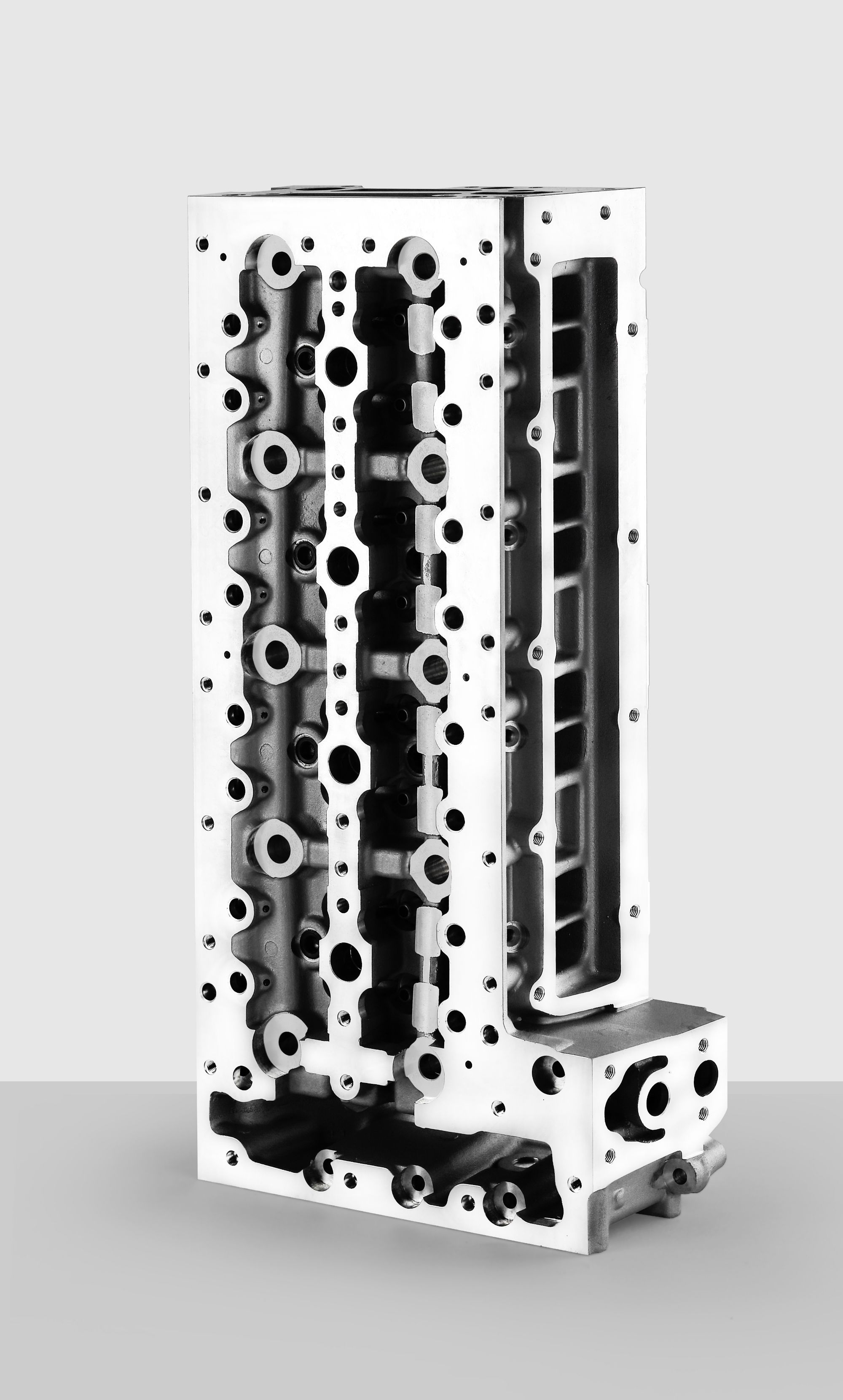
At first glance, taking shortcuts seems like a clever way to save money and speed things up. A cheaper material here, a skipped step there—it’s easy to convince yourself the end result looks just as good. But the real price of those little compromises rarely stays hidden for long. What starts as a small saving often spirals into repeated fixes, disappointed customers, and a slow drain on your reputation.
Beyond the immediate financial fallout, there’s a deeper erosion that’s harder to calculate. Trust, once broken, takes far more effort to rebuild than it did to earn. Teams that witness corners being cut lose faith in leadership, and a culture of “good enough” replaces pride in craftsmanship. Eventually, the brand you’ve worked so hard to build starts to stand for inconsistency rather than reliability. That’s a debt no balance sheet can capture.
And then there’s the sheer exhaustion of maintaining a façade. Patching over flaws, handling complaints, and worrying about when the next problem will surface eats up attention that should be going toward growth and innovation. You end up spending more energy managing the consequences of those shortcuts than you would have invested in doing things properly from the start. In the long run, integrity in your process isn’t a luxury—it’s the most efficient path forward.
Material Matters More Than You Think
We rarely stop to consider why some objects feel almost magical to use, while others frustrate us after a single day. The difference often isn’t about price or brand—it’s about the humble materials chosen long before the object ever reached your hands. A ceramic mug that warms evenly, a wool sweater that breathes with you, or a knife handle that fits like it’s been waiting for your grip: these experiences are crafted, not by accident, but by intentional material decisions.
Take something as ordinary as a kitchen spatula. A flimsy nylon one might warp under heat, leaving you prying burnt eggs from a pan. A wooden one, on the other hand, ages gracefully, darkening in the center like a map of all the meals you’ve made. The material defines not just performance, but how the tool becomes part of your daily rhythm. This pattern repeats everywhere—from the plastics in your phone that survive countless drops, to the textiles in your couch that let you sink in just right. When materials are wrong, the object fights you. When they’re right, it disappears, leaving only the joy of using it.
Paying attention to materials changes how you see the world. It turns a simple purchase into a small act of reverence—for the craft, the resource, and the time something will spend with you. Suddenly a pricier cotton sheet doesn’t seem like a luxury, but a common-sense investment in sleep you can feel. This shift in perspective chips away at the throwaway mentality, replacing it with a quiet appreciation for things that last. And isn’t that a more human way to move through our material world?
Porting Secrets Power Builders Swear By
Most builders think porting is just about tweaking air passages, but those who chase real flow know it’s about listening to the metal. A burr’s song changes pitch when you hit the right contour—too smooth and you’ve killed the boundary layer’s energy. We leave a controlled texture, almost like shark skin, because that tiny chaos near the wall keeps the bulk flow attached where it matters.
Another overlooked trick is mapping the pushrod pinch without blindly hogging it out. You’d be surprised how many heads gain mid-range torque by leaving that slight neck and focusing on the throat’s radius instead. The air doesn’t care how big the hole is—it cares about the curve’s invitation to turn without stumbling. We spend more time with poor-man’s flow balls and a length of string than with a die grinder some days.
Then there’s the final kiss nobody talks about: lapping the valve margin to the seat by hand after the machine cuts. A faint ring of carbon black proves you’ve got an airtight seal that a vacuum test alone won’t reveal. It’s tedious, but the power pulses on a dyno sheet show the difference between a head that merely flows numbers and one that actually fills the chamber when the piston is screaming away from TDC. That’s the stuff old-timers guard like a recipe for moonshine.
Valve Sizes and Why Bigger Isn't Always Better
It’s easy to assume that a larger valve automatically means better performance—more flow, less restriction, and a safer margin. But in practice, this logic often backfires. Oversized valves can create as many problems as undersized ones, especially when dealing with precise process control or variable operating conditions.
One major issue is poor throttling. A valve that’s too large for the required flow rate may operate nearly closed, leading to seat and disc wear, noise, and cavitation. Instead of delivering smooth modulation, you get erratic behavior and a shorter lifespan. The extra size also demands larger actuators and more space, inflating both initial and maintenance costs.
Proper sizing matches the valve to the actual system requirements, taking into account flow characteristics, pressure drop, and safety factors. A well-chosen, right-sized valve operates in its sweet spot—responsive, efficient, and durable. Sometimes, optimizing for performance means resisting the temptation to go big and instead focusing on what truly fits.
Matching Springs and Retainers to Your Cam
Getting the most out of a performance camshaft isn't just about the lobes and lift numbers; it's the supporting valvetrain that really makes the difference. Springs and retainers play a critical role in keeping everything stable at high rpm, so your selection should be guided by the cam's ramp rates and intended operating range. A spring that's too light can cause valve float and potential piston contact, while one that's excessively stiff robs power and accelerates wear on lifters and pushrods.
Retainer choice often gets overlooked, but it directly affects spring behavior. Lightweight titanium retainers reduce the moving mass, allowing the spring to control the valve more easily—this is especially beneficial when you're pushing the limits of a cam's aggressive profile. However, material compatibility matters too. Steel retainers are durable and budget-friendly, but they add weight. If you're swapping in a high-lift stick with steep flanks, titanium or tool steel retainers become more of a necessity than a luxury.
Installation height and coil bind clearance are the nuts and bolts of the whole setup. You'll want to measure precisely and shim the springs to achieve the seat pressure the cam grinder recommends. Don't just guess—insufficient clearance leads to disaster, but too much compromises spring control. Matching the retainer step to the spring's inner diameter also ensures the assembly stays centered, preventing side loading that can fatigue valve stems. Getting these details right means your cam will deliver the power it was designed for, without punishing the rest of the engine.
FAQ
Start with your engine's intended use. Are you building a daily driver, a drag racer, or a street/strip machine? That dictates everything from port volume to valve size. A head that makes peak power at 7,500 rpm will feel lazy on the street, while a torquey low-rpm head will choke top-end horsepower. Match the head's airflow characteristics to your rpm range and driving style.
It does. Aluminum heads dissipate heat faster, letting you run more compression and timing without detonation on pump gas. They're also about half the weight of iron, which helps with handling. Iron heads are cheaper and can take more abuse, but for most street builds, aluminum's thermal and weight advantages far outweigh the cost.
Port volume is a rough guide to airflow potential. A larger port flows more at high rpm but sacrifices velocity at low rpm, killing torque. For a mild 350 small-block, a 170-180cc intake port is a sweet spot. For a 383 stroker spinning to 6,500 rpm, you might step up to 195-210cc. Use online calculators, talk to the manufacturer, and be honest about your rpm range—bigger isn't always better.
Valve size directly affects low-lift airflow and curtain area. Bigger valves unshroud more flow, but they can shroud each other and hit the cylinder wall if the bore is too small. Typical 2.02/1.60 valves work great on a 4-inch bore. If you're building a 4.125+ bore engine, stepping up to 2.05/1.65 or even larger may be worth it. Always consider valve-to-piston clearance and combustion chamber size when changing valve dimensions.
Chamber shape and size determine burn efficiency. A compact, fast-burn chamber (like modern heart-shaped designs) requires less timing advance, makes more power, and resists knock better than older open chambers. Chamber volume sets static compression ratio. Small chambers (58-64cc) bump compression on flat-top pistons, while larger chambers (72cc+) drop it. Squish area is also critical—tight piston-to-head clearance keeps mixture motion high and reduces hotspots.
The head must flow enough air to feed the cam's lift and rpm range. Check the head's flow numbers at the cam's max lift: if your cam lifts .550 and the head stalls at .500 lift, you're leaving power on the table. Conversely, a huge head with a mild cam will have lazy throttle response. Aim for a head that flows well up to about .050 past your cam's max lift. Also, consider valve spring requirements—a high-lift solid roller cam may need upgraded springs and clearance on the head.
Conclusion
Choosing the right cylinder head isn’t just about picking the shiniest option off the shelf—it’s about understanding how combustion chamber design shapes everything from flame propagation to detonation resistance. A compact, fast-burn chamber with proper quench can let you run more timing and make more power on pump gas, while an open-chamber design might leave power on the table and fill your engine with ping. When you decode these shapes, you’re really looking at how efficiently the head turns fuel into force, and that makes digging into the geometry worth far more than chasing a flashy brand name. Material choice amplifies this even further: a high-grade aluminum casting not only sheds weight but also dissipates heat more quickly, giving you a wider tuning window before detonation creeps in. Yet it’s not just about buying the most expensive chunk of billet—some cast-iron units with the right alloy can handle immense cylinder pressure if weight isn’t a concern, reminding you that material matters more than the spec-sheet hype would suggest.
The hidden costs of cutting corners show up in places you might not expect, like valve seats that sink after a few heat cycles or spring pockets that aren’t machined square. A “budget” head often forces you to line-hone cam journals, correct guide clearance, or completely rework the port, and by the time you tally the machine-shop bill, you’ve spent as much as a mid-tier option that came ready to bolt on. Poring over porting secrets reveals that the gains aren’t just about hogging out the runners—it’s the short-turn radius, the throat percentage, and the bowl blend that separate a head that wheezes above 6,000 rpm from one that pulls clean to redline. Likewise, valve size isn’t a simple “bigger is better” equation: a 2.08-inch intake valve might kill low-lift flow and shroud the chamber unless the bore is large enough to unshroud it, whereas a smaller valve with a better velocity profile often torques harder across the street-driving range. Finally, matching springs and retainers to your camshaft ties everything together—too much seat pressure eats horsepower and wipes out lobes; too little invites float that can kiss a valve into a piston. Skimp here, and even the most meticulous head choice becomes a paperweight, so your selection has to work as a system from the valve seat all the way to the tip of the lobe.
Contact Us
Contact Person: Shelly
Email: [email protected]
Tel/WhatsApp: 8613967667688
Website: https://www.yongyu.com/